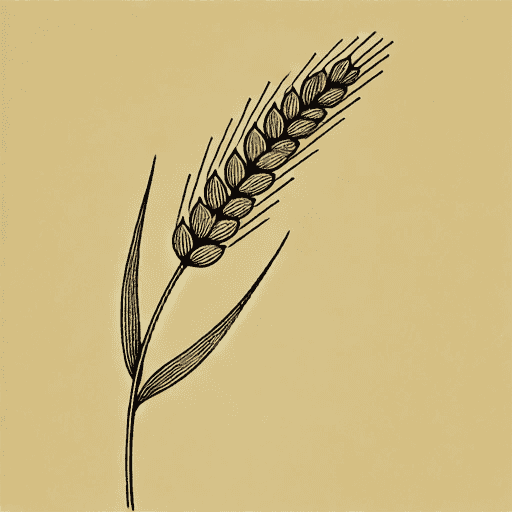
A Black Man Talks of Reaping
19 pages • 38-minute read
Arna BontempsA Black Man Talks of Reaping
A modern alternative to SparkNotes and CliffsNotes, SuperSummary offers high-quality Study Guides with detailed chapter summaries and analysis of major themes, characters, and more.
Symbols & Motifs
The Black Community
Content Warning: This section of the guide includes discussion of racism.
The poem represents the voice of a single Black man, but the Black man symbolizes the larger Black community. The experiences aren’t exclusive to him, as countless Black people have faced a mix of exploitation, racism, and precarity. The speaker symbolizes an agent for the Black community. He’s an ambassador who “talks” about a deep-seated problem. Many Black people—from LeBron James to Bontemps—benefit from their work, but the problem of intergenerational wealth persists. In other words, many Black people still have trouble keeping what they sow.
The speaker’s struggle mirrors the generational cycle of labor without reward that has historically defined Black existence in America. His sowing and reaping are not individual acts but symbolic of how Black contributions—whether in agriculture, industry, or culture—have often been co-opted or erased. The absence of a personal name for the speaker reinforces his status as a representative figure rather than a singular individual. The use of first-person narration further strengthens the connection between the speaker and the collective Black experience, as he speaks not just for himself but for all those who have labored under unjust conditions.
The Wind and Fowl
The wind and fowl represent potential harm. The speaker states, “I planted deep within my heart the fear / That wind or fowl would take the grain away. / I planted safe against this stark, lean year” (Lines 2-4). These lines imply that the speaker has a modicum of control. If they’re “safe” (Line 4), they can keep the weather or predatory birds at bay. Yet the “fear” (Line 2) persists, and the deep anxiety—which occurs in the speaker’s “heart” (Line 2)—reveals that there is little the speaker can do to fend off the wind or fowl. The speaker is in an inherently risky situation. As a worker of the land, there are elements beyond his control.
From the allegorical perspective, the wind and fowl represent the systemic forces that work against Black prosperity. These forces include economic exploitation, racial violence, and legal barriers that have historically stripped Black people of their gains. Just as the speaker cannot control the weather, Black Americans could not control the policies and practices that denied them wealth and stability, from sharecropping contracts to redlining and discriminatory lending. The “fear” (Line 2) planted in his heart is generational—it is not just his own insecurity but the learned awareness that survival itself is precarious.
The Bitter Fruit
The children “feed on bitter fruit” (Line 12) because they experience the trauma of their father, the Black man. The Black man can’t give his progeny something wholesome or healthy because racism deprives him of reaping the benefits of his work. The absence of profits upsets the speaker, and his dejected mood manifests in the melancholy tone. The speaker then passes his sorrow to the next generation. The agony is racialized; he is in his oppressed position due to his race.
The “bitter fruit” (Line 12) also reflects the emotional and psychological toll of racism. Instead of inheriting land, wealth, or security, the speaker’s children inherit frustration and disillusionment. The fruit that they consume is not nourishing—it does not sustain them but instead deepens their suffering. This suggests that racism is not just a material struggle but an internal one, shaping identities, emotions, and expectations for the future. The bitterness they consume ensures that their relationship to labor and prosperity will remain fraught, reinforcing the cyclical nature of racial oppression.
Families of diverse races feel exploited and can’t give the next generation assistance, but the poem’s Black man is a victim of racism, and his younger family become victims of racism, too. Unable to get out of the bigoted system, they are “gathering stalk and root” (Line 10) from what the Black man plants. They inherit the Black’s man work, and what they receive is unhealthy and unappetizing. Through the “bitter fruit” (Line 12) symbol, Bontemps reveals the interconnected harm of racism.

Unlock the meaning behind every key symbol & motif
See how recurring imagery, objects, and ideas shape the narrative.
- Explore how the author builds meaning through symbolism
- Understand what symbols & motifs represent in the text
- Connect recurring ideas to themes, characters, and events