A Kind of Spark
54 pages • 1-hour read
Elle McNicollA Kind of Spark
A modern alternative to SparkNotes and CliffsNotes, SuperSummary offers high-quality Study Guides with detailed chapter summaries and analysis of major themes, characters, and more.
Symbols & Motifs
Sharks
Content Warning: This section of the guide includes discussion of death, ableism, and bullying.
Sharks are a recurring symbol within A Kind of Spark. Addie has intense special interests, as is typical of many people with autism. At the start of the book, her longest and most consistent interest is in sharks. She bristles at the idea that sharks are scary or dangerous, and she maintains that, just like her, they are merely misunderstood. She also identifies with sharks, linking her own heightened experience of sensory stimuli to sharks’ ability to sense bio-electric emissions with the sensitive nerves in their noses.
Sharks are creatures whose natural behavior is often misinterpreted and vilified by people who have little experience with or knowledge of them. This pattern aligns with Addie’s own experiences of dealing with various people whose ableist attitudes cause them to overlook, dismiss, or disparage her. In the closing speech of the book, she compares people with autism directly to sharks, saying that both can sense things that other people cannot, such as electricity. She refers to this ability as “a kind of spark” (128).
Witches
Throughout the novel, McNicoll presents Witches as Representations of Marginalized Individuals. Addie openly sympathizes with people who were historically accused of witchcraft because like her, they were often targeted due to their atypical behavior. Addie’s intense interest in this topic also demonstrates her heightened sense of justice, another common trait of those with autism. Just as she is actively upset by the unfair assumptions about sharks, she also seeks to remedy people’s perspectives about those condemned as witches whenever the topic arises.
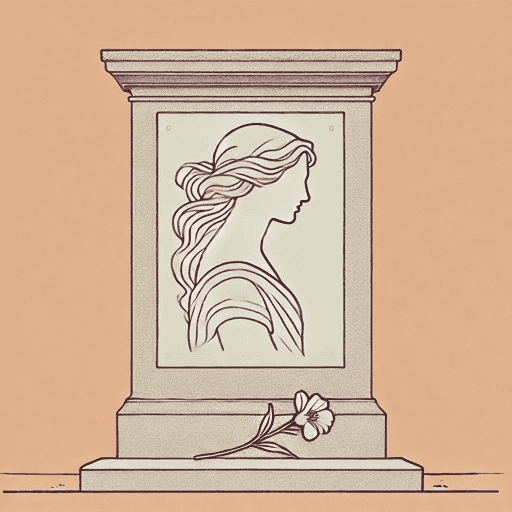
Because of her sense of kinship with the people condemned as witches, one of her primary goals is to convince the town council to establish a memorial for them. While the memorial won’t fix the ableism that has already impacted her, she recognizes that it can remind people of the dangers of prejudice and encourage them to be more compassionate. At the end of the novel, Addie reveals that she and her friends will be dressing up as witches for Halloween, enjoying a happy activity while safely inheriting the image of the witch without the historical persecution.
Trees
Leaves and trees are a constant motif throughout the novel and have several meanings. The village of Juniper is in a very wooded area, and Addie and her family spend a great deal of time walking in the woods. These passages are often moments of reflection or contemplation, and the trees provide a break from the bustle of the town and school. Addie is neurodivergent and struggles with social and sensory stimulation, so a break from that environment gives her time to breathe.
Keedie also uses leaves and trees as a metaphor to describe two different types of people. In her view, leaves are those who go with the flow of a social situation, while trees are people who remain rooted to the ground, doing what they think is right no matter how hard the wind blows. Keedie uses this analogy to help Addie understand why her former friend Jenna abandoned her for Emily. Just as Nina once allowed Keedie to be bullied in school, Jenna, a “leaf,” is easily changeable and has allowed herself to be overpowered by peer pressure rather than standing resolute in her friendship with Addie. Meanwhile, Keedie, Addie, and Audrey are trees; Audrey staunchly supports and defends Addie throughout the novel.
On a different note entirely, the so-called Old Witch Tree causes Addie great distress because it is an execution site for two women who were persecuted as witches. The tale triggers Addie’s extreme sense of justice and her fear of prejudice that will lead to violence or to confinement in a mental health facility. Audrey displays her consideration of Addie’s needs by bringing her on a route that avoids the tree, and at the end of the narrative, Addie metaphorically pushes her mistreatment and hurt into the tree, banishing it from herself and preparing to face the town council and argue for what she believes is right.

Unlock the meaning behind every key symbol & motif
See how recurring imagery, objects, and ideas shape the narrative.
- Explore how the author builds meaning through symbolism
- Understand what symbols & motifs represent in the text
- Connect recurring ideas to themes, characters, and events