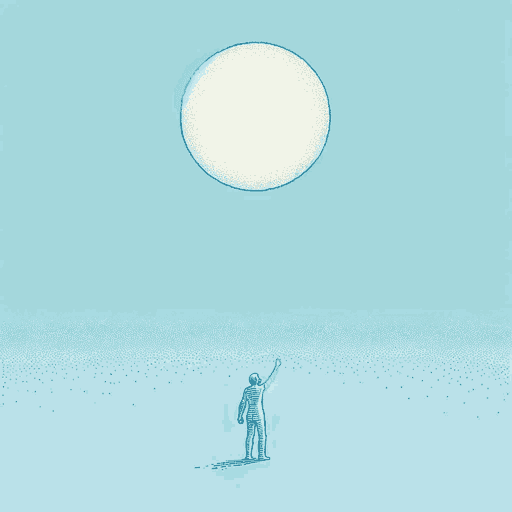
A Man Said to the Universe
A Man Said to the Universe
A modern alternative to SparkNotes and CliffsNotes, SuperSummary offers high-quality Study Guides with detailed chapter summaries and analysis of major themes, characters, and more.
Themes
The Insignificance of Humankind
In Line 1, a man says something to the universe, which introduces the theme of man—that is, humans—and their place in the world. Crane never gives the man a name. He does not even give the man a definite article; that is, the man is not “the man”—it is not a specific, distinguishable person. Instead, the man is “[a] man” (Line 1). He receives an indefinite article, which furthers the idea that the plight of a human being is of little consequence. This man is just some person—any person. Before the universe tells this person that it feels no “sense of obligation” (Line 5) toward him, Crane, with the nameless person and indefinite article, drops a clue that this any-man is not of much importance. If his existence mattered, he would likely have a name, or at the very least a “the.”
The nameless, undifferentiated man remains proud of his presence. “Sir, I exist!” (Line 2) he proclaims to the universe, which strikes back against his enthusiasm. “The fact” (Line 4) that this man is alive does not make the universe responsible for his well being. In other words, the man’s existence is insignificant to the universe. The universe is not concerned about what happens to the man and whether his life is fulfilling and long or disappointing and short. For the universe, people are interchangeable and disposable. The indefinite article presents humans as a general, undistinguishable bunch. They lack distinguishing features or significance.
The Indifference and the Power of the Universe
The insignificance of humans relates to another theme: The indifference of the universe. If the universe cared about people, they would not be unimportant. What makes humans interchangeable is the universe’s lack of concern for them. Since the universe feels no “sense of obligation” (Line 5) toward them, it means they are not of much consequence, so the universe does not come across as a feeling, empathetic being. The universe might take a liking toward some humans, as the universe does not come right out and say, “I don’t care about humans.” What the universe says is that it does not feel compelled to make sure that humans, in general, enjoy their existence.
Perhaps the universe will find a human that provokes a sense of obligation. Yet the stark tone makes such a development unlikely. The universe sounds matter-of-fact and clinical. It is like it is conveying a diagnosis or an equation: Humankind plus an apathetic universe equals an existence where people can live, die, and suffer with little mercy or compassion. It is hard to detect emotion in the universe’s statement, which suggests it is not a good idea to count on the universe’s charity.
What makes the universe’s indifference important is power. Crane conveys the theme of an all-powerful universe through the man who calls the universe “[s]ir” (Line 2). The universe enjoys a status that the man lacks. In the hierarchy of life, the universe is above the man, so man must address the universe respectfully. The universe does not have to respect the man, as the universe does not refer to him as “sir.” Instead, the universe tells him that his life does not mean much. If the universe were not powerful, this would not be such a big deal. As the universe can influence events in the man’s life, the universe’s coldness is considerable. The universe is an extraordinary force, so if it felt a “sense of obligation” (Line 5) toward the man, it could likely help the man out in several ways, as the universe, by definition, contains multitudes.
The Excitement and Vulnerability of Existence
The poem also touches on the excitement of being alive and the fragility of existence. The themes play off one another since part of the appeal of life is the number of things that can happen to a person. As Crane’s life shows, a person can find themselves in several situations that can be exhilarating and despairing. The man speaks about the galvanizing aspect of living as he proclaims, “Sir, I exist!” (Line 2). The exclamation point turns this statement into a shout or scream. Existing animates the man and leads him to raise his voice. He is motivated and proud of his existence and wants to share it with the universe.
The universe admits the man exists, conceding that it is indeed a “fact” (Line 4). The universe then reminds the man of his fragility by telling him that they feel no “sense of obligation” (Line 5) toward him. The statement can support the themes of insignificance and indifference, but it also brings in the theme of fragility. In this reading, the universe is not apathetic or unfeeling but simply stating a fact. The world can be a tumultuous, violent place. Modern life exposes humans to countless threats and predicaments. People are vulnerable creatures, and it is not the universe’s duty to make humans invincible or shield them from harm. Part of living is accepting the risk of life and its inherent delicacy. Humans are not God; they are not the universe, so they should proceed cautiously or with a judicious amount of meekness. The man’s lively, proud proclamation in Line 2 suggests that he could tone down his enthusiasm and approach life more solemnly and humbly.

Unlock every key theme and why it matters
Get in-depth breakdowns of the book’s main ideas and how they connect and evolve.
- Explore how themes develop throughout the text
- Connect themes to characters, events, and symbols
- Support essays and discussions with thematic evidence