A Marriage Proposal
40 pages • 1-hour read
Anton ChekhovA Marriage Proposal
A modern alternative to SparkNotes and CliffsNotes, SuperSummary offers high-quality Study Guides with detailed chapter summaries and analysis of major themes, characters, and more.
Literary Devices
Irony
Irony is a literary device involving a mismatch between expectation or appearance and reality. Chekhov uses irony at multiple levels throughout the play to expose The Shallowness of Class and Property Obsession and to portray Ego and Pride Disrupting Relationships. The most fundamental irony operates at the social level: The characters are arguing about property boundaries that will largely become meaningless once they are actually married. While Russian property law granted married women independent ownership rights, the practical administration of the fields would entail the gradual merging of estates as the two families joined in union (particularly if Chubukov were to pass away). The characters fight viciously over property boundaries that have already been rendered unimportant, making their dispute absurd from a practical standpoint and only relevant as a point of pride. Indeed, the marriage itself is motivated partly by the desire to consolidate neighboring properties, yet the characters nearly destroy this consolidation by arguing over the very properties they seek to unite. That the property in question is so marginal and of so little value deepens the irony; if the property were central to either estate’s management, the dispute would have come to their attention long before this episode.
Dramatic irony, a subtype in which the audience knows something the characters do not, functions prominently in the first half of the play. The audience knows that Lomov came to propose marriage, but Nataliya remains ignorant of his purpose during the entire first argument. The audience thus watches her systematically destroy what she presumably wants—an advantageous marriage—without realizing what she is doing. This creates simultaneous tension and comedy, nudging spectators to anticipate the moment of revelation and wonder whether the proposal can be salvaged. The dramatic irony invites sympathy for Nataliya even as it exposes her pride and combativeness since her behavior would likely have been different had she possessed the information the audience holds.
Farce
Farce is a form of comedy that relies on exaggeration or absurdity for its effects. Much of the humor in A Marriage Proposal takes this form—particularly the physical comedy, which is a staple of farce. Lomov’s hypochondria provides consistent comic material of this type: He clutches his chest, drinks water frantically, complains of numbness and paralysis, and eventually collapses in an apparent faint. His elaborate catalog of symptoms and his conviction that he is dying create comedy through exaggeration; the contrast between his dire self-diagnosis and his obvious survival adds to the humor.
The escalation of the arguments is also farcical, as it produces comedy through disproportion. The characters progress from discussing property boundaries to hurling irrelevant insults about family members, the rapid escalation and loss of focus revealing the absurdity of their emotional investment in trivial matters. The contrast between the characters’ pretensions to refinement and their actual behavior functions similarly, as the play depicts representatives of a supposedly genteel class shouting at one another and otherwise abandoning any semblance of composure. In this, the play’s humor serves Chekhov’s satirical purposes, making the audience laugh at behaviors and attitudes that reflect genuine social problems—in particular, the shallowness and self-destructiveness of gentry values.
Repetition
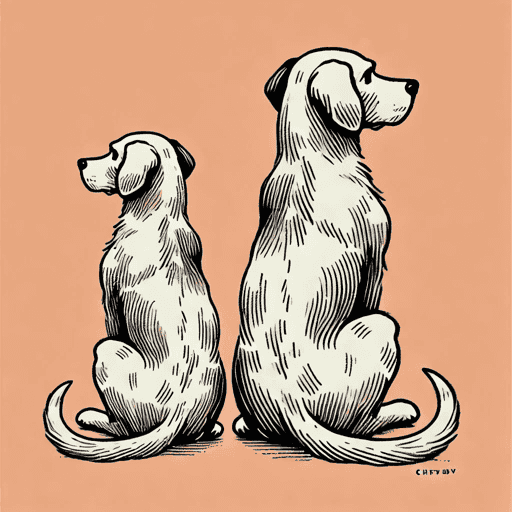
Chekhov structures the play around repetition, with the two major arguments following nearly identical patterns of escalation. Both disputes begin with a casual reference to a topic—property boundaries, then dog quality—that triggers immediate contradiction. Both progress through the same stages: polite disagreement, increasingly heated argument, personal accusations, attacks on family honor, and finally physical or emotional crisis. This parallel structure creates comedy through the characters’ obvious inability to learn from experience. They repeat the exact pattern that nearly destroyed the engagement, demonstrating that they are fundamentally incapable of controlling their impulses or changing their behavior.
The repetition also serves thematic purposes. By showing the pattern twice, Chekhov establishes it as typical of these characters. The final image of the engaged couple still arguing suggests that this pattern will define their marriage. The repetition reinforces Chekhov’s pessimistic view of human nature and social conditioning, implying that people remain trapped in fixed behavioral patterns regardless of circumstance or intention. The parallel structure thus functions as both a comic device and a philosophical statement about the impossibility of change or growth.
Juxtaposition and Contrast
Juxtaposition is a literary device that involves placing two disparate elements side by side to invite comparison. A Marriage Proposal uses juxtaposition to generate both comedy and meaning. The most obvious contrast appears between Lomov’s formal evening dress and white gloves—signaling respect, dignity, and the importance of the occasion—and his behavior, which devolves into shouting, insults, and physical collapse. This visual and behavioral contrast establishes the gap between the gentry’s pretensions and its reality, which drives the play’s satire.
In fact, this contrast between stated intentions and actual behavior operates throughout. Lomov arrives planning to propose marriage but instead argues about property. Nataliya attempts reconciliation but cannot resist provoking a new conflict. Chubukov expresses joy at the prospect of the marriage but actively participates in disputes that threaten to prevent it. These contrasts reveal the characters’ inability to align their actions with their objectives.
Chekhov also juxtaposes emotional registers, as the characters move rapidly from warmth to hostility, from calm discussion to violent argument, and from declarations of family affection to attacks on family honor. These rapid shifts create comedy while exposing The Instability of Civility Under Emotional Strain. The final juxtaposition of the marriage embrace with continued argument about the dogs encapsulates Chekhov’s technique: Two contradictory realities existing simultaneously, suggesting that the characters will live their entire married life in this state of unresolved contradiction.

Unlock all 40 pages of this Study Guide
Get in-depth, chapter-by-chapter summaries and analysis from our literary experts.
- Grasp challenging concepts with clear, comprehensive explanations
- Revisit key plot points and ideas without rereading the book
- Share impressive insights in classes and book clubs