A Marriage Proposal
40 pages • 1-hour read
Anton ChekhovA Marriage Proposal
A modern alternative to SparkNotes and CliffsNotes, SuperSummary offers high-quality Study Guides with detailed chapter summaries and analysis of major themes, characters, and more.
Symbols & Motifs
Content Warning: This section of the guide includes discussion of mental illness and illness.
Land
The Bullock Fields function as the play’s primary symbol, representing far more than their literal 12 acres of modest agricultural property. The characters acknowledge that the economic value of the disputed fields is minimal, yet they are willing to destroy a financially advantageous marriage over the question of ownership. This disproportion between material worth and emotional investment reveals that the land symbolizes something beyond itself. For the gentry class in the aftermath of serf emancipation, land ownership represented the last reliable marker of status and identity. As economic pressures forced many families to sell portions of their estates, each remaining acre became symbolically precious. The fields therefore represent not potential income but precedent, tradition, and the validation of family narratives about who they are and where they belong in the social hierarchy. Lomov’s and Nataliya’s fierce defense of their respective ownership claims reflects anxiety about maintaining identity in a world where the traditional foundations of gentry status were eroding.
The land symbol supports the theme of The Shallowness of Class and Property Obsession directly. That the characters cannot separate their sense of self from their property holdings reveals how insubstantial their identity truly is. Their inability to compromise on property boundaries reflects their inability to imagine self as something internal rather than something externally verified through ownership. The symbol therefore also reinforces the theme of Ego and Pride Disrupting Relationships, as both Lomov and Nataliya prioritize symbolic validation over practical cooperation. Indeed, their pride matters more than actual possession of the land; when Lomov offers to give the fields to Nataliya, she retorts, “You make us a present of our own land. Excuse me but this is not neighborly behavior!” (440), underscoring that the property itself was never the point.
The symbol thus operates ironically. Were the couple to marry, the fields would remain legally separate under Russian law (since women retained their own property in marriage), but the administration of the fields would come under consolidated family management, rendering the question moot. This makes the whole dispute absurd from a practical standpoint, while the question of their allocation remains emotionally weighty for the characters involved.
Dogs
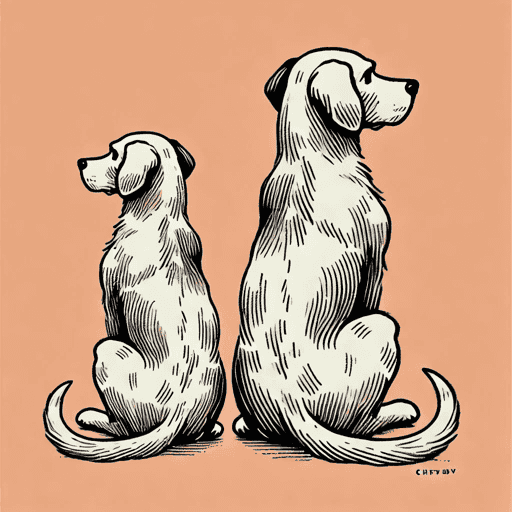
The hunting dogs function as symbols of aristocratic identity and participation in traditional gentry culture. Hunting represented one of the defining leisure pursuits of the landowning class, a pastime that distinguished them from peasants and merchants while connecting them to an idealized rural lifestyle. The dogs thus symbolize proper breeding, refined taste, and a legitimate claim to gentry status. When Lomov and Nataliya argue over whether Dasher or Splasher is superior, they are really arguing about which family better embodies aristocratic values.
The emphasis on pedigree in the dog dispute reinforces this symbolic function. Nataliya insists that Splasher is a thoroughbred with proper lineage, while Dasher lacks pedigree entirely. This concern with bloodlines mirrors the gentry’s obsession with their own genealogies and family trees. The dogs become proxies for the owners themselves, with each party’s defense of their animal functioning as an assertion of their own superior breeding and cultural sophistication. When Lomov remarks that a dog like Splasher can be “[found] at any kennel” (446), he implies that Nataliya’s family is similarly “common.”
The dog symbol therefore supports the theme of class and property obsession by demonstrating how thoroughly the gentry’s self-conception depends on external markers and traditional status symbols. The characters invest enormous emotional energy in defending their dogs’ superiority because they cannot separate the animals’ worth from their own identity. In particular, the dogs symbolize the emptiness of gentry concerns. The dispute over hunting dogs is trivial, yet the characters treat it as a matter of profound importance. This disproportion reveals the poverty of their inner lives and the shallowness of values organized entirely around maintaining traditional class distinctions. The symbol thus contributes to Chekhov’s satirical critique of a social class that has retained its pretensions while losing any substantive purpose or meaning. The symbol also reinforces the theme of pride disrupting relationships, as neither party can tolerate the suggestion that their judgment about dogs—and by extension, about anything else—might be inferior.
Hypochondria
While “hypochondria” in contemporary usage typically refers to the fear of illness, its meaning in the 19th century was closer to what are now called psychosomatic disorders—physical conditions that arise partly or wholly from psychological factors. It overlapped with a wide range of so-called “nervous disorders” and, as such disorders were more commonly associated with women, was sometimes seen as “feminine” and thus played for laughs in male characters. This is true in A Marriage Proposal, where Lomov’s hypochondria indicates, among other things, his failure to embody the role of husband—particularly to a woman like Nataliya, whose assertiveness and aggression are stereotypically “masculine” traits.
More broadly, Lomov’s hypochondria operates as a motif that externalizes the psychological pressures afflicting both the character and his class. The pattern repeats throughout the action: Social interaction begins calmly, conflict arises, emotional intensity escalates, and Lomov experiences physical crises including palpitations, numbness, blurred vision, paralysis, fainting. This cycle occurs twice and threatens to begin a third time in the final moments, establishing hypochondria as the organizing principle structuring the play. That the symptoms are themselves cyclical—he describes them occurring “twenty times over” in a single night (437)—associates them even more closely with the play’s repetitive structure. The motif functions to create comedy through Lomov’s elaborate complaints and physical reactions while simultaneously generating tension regarding whether the marriage can be accomplished. Each physical crisis threatens to derail the proposal entirely, and the final collapse leads Chubukov to force a resolution.
The hypochondria thus serves the plot while also revealing character depth. Lomov’s ailments are presented as genuine rather than fabricated, establishing him as someone whose body rebels against the social and emotional pressures he faces. In this, the motif carries symbolic weight as a representation of gentry anxiety and fragility. Lomov’s failing body suggests a failing class, unable to maintain control over even itself, let alone others.
The motif supports the theme of The Instability of Civility Under Emotional Strain by demonstrating how quickly Lomov’s composed exterior collapses under duress. His body makes visible what his conscious mind attempts to suppress—the reality that he cannot control himself or his situation. The hypochondria also reinforces the theme of Marriage as Social Transaction by revealing the human cost of treating relationships as business arrangements. He seeks marriage as a cure for anxiety, yet the process of marrying generates the very anxiety he hopes to escape, his body protesting against maintaining a cool, logical posture in inherently emotional circumstances. The cyclical pattern of his symptoms further suggests that no resolution or change is possible. Lomov will continue to experience these crises throughout his married life, just as he experiences them during courtship. The motif thus contributes to Chekhov’s pessimistic vision of human nature and social relations, suggesting that fundamental behavioral patterns remain fixed regardless of changing circumstances or conscious intentions.

Unlock the meaning behind every key symbol & motif
See how recurring imagery, objects, and ideas shape the narrative.
- Explore how the author builds meaning through symbolism
- Understand what symbols & motifs represent in the text
- Connect recurring ideas to themes, characters, and events