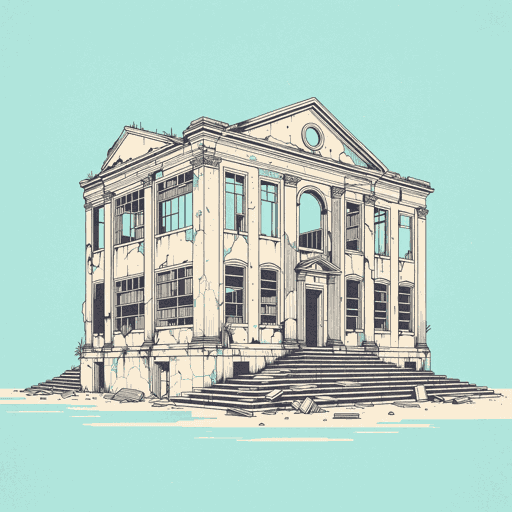
A Small Place
A Small Place
A modern alternative to SparkNotes and CliffsNotes, SuperSummary offers high-quality Study Guides with detailed chapter summaries and analysis of major themes, characters, and more.
Summaries & Analyses
Quizzes
NEWReading Tools
Themes
The Lasting Impact of Slavery and English Colonial Rule
Kincaid sees that Antigua, as a former colony of the British Empire, deals with the legacies of slavery and colonialism on a near-daily basis. Kincaid and her fellow Antiguans can’t escape the reminders of their colonial history, as memorials to this period and to the “English maritime criminals” (24) who ruled over them are littered around the island. Streets are named after British naval officers who contributed to, profited from, and protected the slave trade. Antigua’s main bank, the Barclays Bank, is named for the Barclays Brothers, who made their money by selling human beings and then “borrowing from […] the descendants of the slaves and then lending back to them” (26), and all the government buildings on High Street are colonial-era remnants. In addition, the colonial memory stays alive in the continued celebration of British holidays and the British Monarchy. Kincaid notes how it’s ironic that Antiguans know how to celebrate their independence from the English only by “[going] to church and thank[ing] God, a British God” (9). This is because, she explains, colonizers stripped her ancestors of their religion and cultural traditions, so contemporary Antiguans know only the traditions of their oppressors. Kincaid also recognizes the influence of the English colonizers in the behavior of the corrupt government at the time she wrote the book. Kincaid blames the English for teaching her people “how to imprison and murder each other, how to govern badly, and how to take the wealth of our country” (34) because that’s exactly how they acted when taking over Antigua.
White tourists who enjoy Antigua or criticize the Antiguan government remind Kincaid of the unfair burden of slavery’s legacy. The English and other Western colonizers can easily distance themselves from the remnants of slavery and colonization because these remnants don’t exist in their home: The destruction they wrought was elsewhere in the world, and when they left these countries, they left all the destruction there. Kincaid sees how casually people can turn a blind eye to England’s crimes, even celebrating the English for their centuries of traditions. On the other hand, Antiguans are forced to remember the pain and cruelty inflicted on them through casual reminders all around them. Kincaid sees that historic and contemporary colonial nations “distorted or erased [Antiguan] history and glorified [their] own” (36) in order to alleviate their accountability. For Kincaid, this means that despite all the harm inflicted on them, Antiguans can’t even lay claim to their foundational contributions to Western society, as these contributions aren’t acknowledged anywhere. Kincaid traces almost all the issues in modern Antigua—corruption, poverty, illiteracy, and more—to the English forcing their culture and institutions on her people and then leaving with no feelings of responsibility to fix the issues they caused.
Tourism as Neocolonialism
In A Small Place, Kincaid shows that global economic industries like tourism continue to hold sway over Antigua, allowing former colonizers to exploit Antiguans long after they gained independence. Kincaid notes that Antigua relies primarily on tourism for economic vitality, so much of the government’s spending goes into developing this industry rather than bettering the lives of Antiguans. The government would rather spend money on commercial development for tourists than repair the library because tourists are certain to buy “all those awful things that tourists always buy” (48). Given that the government is primarily interested in making money for itself, these developments help them more than developing educational infrastructure would. Institutions like the Mill Reef Club and the Hotel Training School prove to Kincaid that Black Antiguans are still servants for visiting white people, but many Antiguans can’t see the connections between past and modern systems of servitude. The celebration of the Hotel Training School—which “teaches Antiguans how to be good servants, how to be a good nobody” (55)—and of the first Black people to dine in the Mill Reef Club illustrate to Kincaid that Antiguans have been made complicit in their continued exploitation.
Throughout the text, Kincaid explores how the tourist feels superior toward native Antiguans when they visit, and how these feelings often stem from colonialist ideologies of innate superiority. As when Antiguan people were enslaved and were thought of as less than human by the English colonizers, Kincaid sees that tourists similarly make Black Antiguans invisible in their own homes. Tourists see only themselves and other people like them in Antigua because they stay only in places other white people go, like hotels or the Mill Reef Club. When tourists do see Antiguans, they exoticize their poverty as “strange” or “quaint” or “backward”—and secretly feel relieved that they’re from a superior and modern country where they don’t have to “be in harmony with nature” (17) to survive like Antiguans do. Kincaid sees that such attitudes make other Antiguans seem lesser than those from modern countries of the West. What angers Kincaid about these attitudes is the tourist’s ability to partake in the destitution of Antiguans as a reward for their hard work back home. Kincaid directly compares this tourist behavior to colonizers’ behavior, using the same phrasing to describe how tourists become “ugly” when they leave home and to emphasize how the only good English people were the ones who “stayed home” (35) during the years of Empire.
Corruption of Power and Wealth
In Kincaid’s return to Antigua after living in the US, she sees the corrupt government as a continuation of Antigua’s history of oppressive rule. She describes the government officials as selfish and money-hungry. Her main accusation against the government is their constant practice of either stealing money from Antiguans outright or getting money through nefarious means. Some ministers take bribes or misappropriate charitable money, like the “eleven million dollars that the French government gave to the Antiguan government for developmental aid [which] has vanished” (66). Some ministers even profit from illegal activities like drug trafficking and prostitution houses. Others have secret shares in business monopolies, giving them a constant stream of income, as Antiguans have no other choices for certain commodities. One example that Kincaid critiques is how some ministers have major shares in car dealerships, while Antiguans have access only to expensive, luxury-brand Japanese cars—and the banks “make loans available for cars” (7) in ways they don’t for homes, leaving the average Antiguan to live “in a house that, in comparison, is far beneath the status of the car” (7). To Kincaid, the ministers in charge of car imports and dealerships appear more concerned with getting money for themselves than helping Antiguans out of poverty and into better living conditions.
Kincaid notes that the men in charge weren’t necessarily corrupt to begin with, but the structure of government left behind by the English warped the ministers into believing they were untouchable like the English colonizers were. Kincaid recounts that the Prime Minister was part of a union that became a political party, and this party ran on the platform “to obtain better wages, better working conditions, and just a better life in general for working people in Antigua” (69). However, the good men of this party were slowly ousted and “dishonest people [took] their place” (71). The Prime Minister held onto his position for 25 years without Antiguans seeing much difference in their quality of life. Kincaid notes that the only other Prime Minister during that period also ran on a platform of “replac[ing] the old, dull, corrupt event with honesty, brilliance, and prosperity” (70), but he too was found to have “[used] his office for personal profit” (70). Kincaid and her fellow Antiguans fear that the Prime Minister and his family’s thirst for power is so severe that they may eventually get rid of free elections or use Antigua’s army against the island’s citizens when they “find it hard to quietly relinquish their power” (73). Kincaid believes that these behaviors all stem from the example of the English colonizers, who stole from, killed, and oppressed their subjects to keep their positions of superiority.

Unlock every key theme and why it matters
Get in-depth breakdowns of the book’s main ideas and how they connect and evolve.
- Explore how themes develop throughout the text
- Connect themes to characters, events, and symbols
- Support essays and discussions with thematic evidence