50 pages • 1-hour read
A Song to Drown Rivers
A modern alternative to SparkNotes and CliffsNotes, SuperSummary offers high-quality Study Guides with detailed chapter summaries and analysis of major themes, characters, and more.
Book Club Questions
General Impressions
Gather initial thoughts and broad opinions about the book.
1. If you know the legend of Xi Shi, what is your impression of Jiang’s retelling of the old story? If you aren’t familiar with the stories about Xi Shi, what was your overall impression of the novel?
2. Most of Ann Jiang’s other novels are focused on a YA audience. How does this novel depart from that? In what ways does this novel reflect Jiang’s already established style?
Personal Reflection and Connection
Encourage readers to connect the book’s themes and characters with their personal experiences.
1. Xishi uses her beauty—and the desire it engenders in men like Fuchai—as a source of power. Can beauty and desire be empowering in the modern world? Can they be disempowering? How so?
2. What resonated with you about the relationship Xishi has with Fanli? In contrast, what resonated with you about her relationship with Fuchai?
3. By the end of the novel, Xishi has a very different idea about war and its merits than when she started. Her friend, Zhengdan, however, seems to believe that her sacrifice and death are worth it until the end. Where do you stand on this issue? Is there ever a time when war is justified?
4. While both women are considered beautiful, Xishi is thoughtful and Zhengdan is more action-oriented. Which do you relate to more? How does each woman’s skillset benefit her in the role of espionage?
5. Is there a time you had to sacrifice out of duty or loyalty? How did that manifest, and how did it ultimately affect you?
Societal and Cultural Context
Examine the book’s relevance to societal issues, historical events, or cultural themes.
1. Our current culture puts a lot of value on physical beauty, and yet each culture sees beauty differently. What are some ideals of beauty from other times and cultures that you find interesting or desirable that are no longer in fashion in your particular time and culture?
2. Historically, Xi Shi has been seen in a variety of ways depending on the time and who is remembering her. Jiang reimagines her a specific way, but by modern cultural standards, do you think she would be judged negatively as the downfall of a kingdom or as a heroic woman who saves her people?
Literary Analysis
Dive into the book’s structure, characters, themes, and symbolism.
1. This novel is in a first-person point of view, showing us all of Xishi’s thoughts and emotions. In your opinion, how would the novel be different if it were written in a third-person point of view?
2. Compare the character development of Fanli and Fuchai. Which do you feel you know best? What might be the reason Jiang chose to develop the characters in this way?
3. Jiang incorporates the motif of water, an aspect of the original stories, throughout the novel in a few different ways. Which use of water did you find the most powerful? Why?
4. Xishi experiences conflict with many characters in the novel. Which conflict that Jiang created felt the most poignant to you in how it manifested and resolved?
Creative Engagement
Encourage imaginative and creative connections to the book.
1. If you were to adapt A Song to Drown Rivers into film, which contemporary actors would you choose to play the different characters and why?
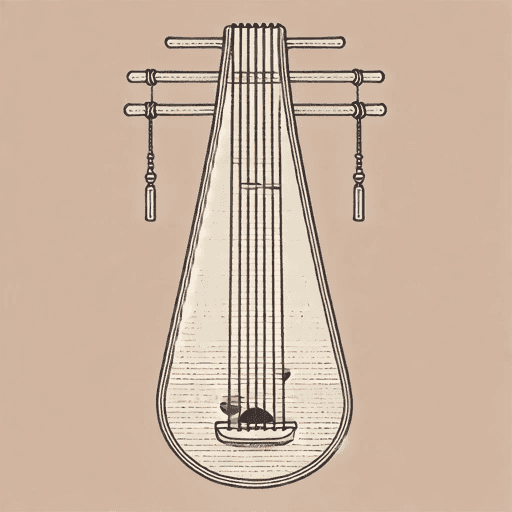
2. Research one of the arts that Xishi is taught (traditional Chinese dance, playing the guqin, etiquette over meals, and interpreting ancient Chinese poems) and give a short presentation on how the arts were practiced in China historically and whether they are still practiced today.

Unlock all 50 pages of this Study Guide
Get in-depth, chapter-by-chapter summaries and analysis from our literary experts.
- Grasp challenging concepts with clear, comprehensive explanations
- Revisit key plot points and ideas without rereading the book
- Share impressive insights in classes and book clubs