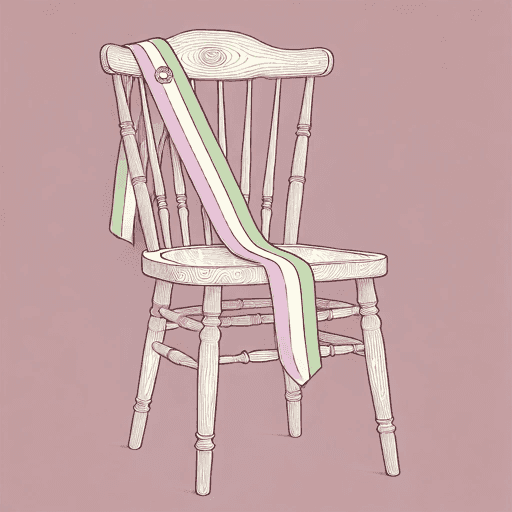
A Well-Behaved Woman: A Novel of the Vanderbilts
54 pages • 1-hour read
Therese Anne FowlerA Well-Behaved Woman: A Novel of the Vanderbilts
A modern alternative to SparkNotes and CliffsNotes, SuperSummary offers high-quality Study Guides with detailed chapter summaries and analysis of major themes, characters, and more.
Summary and Study Guide
Overview
A Well-Behaved Woman: A Novel of the Vanderbilts (2018) by Therese Anne Fowler is a historical fiction biography of the life of Alva Belmont, formerly Vanderbilt née Smith. Alva became part of the wealthy Vanderbilt dynasty in 1875 when she married Vanderbilt heir William Kissam Vanderbilt. For much of her life, Alva strives to be the titular “well-behaved woman,” ensuring the Vanderbilts’ ascension to New York high society. However, when she discovers that her husband has been having an affair with her best friend, Alva’s outlook and perspective radically change. The novel touches on themes including The Hollowness of Marriage as an Economic Contract, Gatekeeping and the Policing of Responsibility, and Using One’s Privilege to Support Progressive Politics.
Therese Ann Fowler is an American writer best known for her bestselling novel Z: A Novel of Zelda Fitzgerald (2013), also a work of historical fiction praised for the depth and accuracy of Fowler’s research into Zelda’s relationship with F. Scott Fitzgerald. It was made into a television miniseries in 2017, starring Christina Ricci as Zelda. A Well-Behaved Woman was a New York Times best-seller.
This guide references the 2019 St. Martin’s paperback edition of A Well-Behaved Woman.
Content Warning: The source material and guide feature depictions of racism, religious discrimination, gender discrimination, antigay bias, sexual violence, rape, emotional abuse, pregnancy loss, child death, death by suicide, suicidal ideation, substance use, sexual content, illness, and death.
Language Note: This study guide utilizes the term “Black” to refer to people whom Fowler refers to as “Negro” or “colored,” terms which were used in the late 19th century, when the novel takes place. This study guide reproduces this language only in quotations.
Plot Summary
In 1874, Alva Smith is 21 years old. She comes from an “old money” Southern family that lost most of its fortune when it sided with the Confederates during the Civil War and lost its plantations, which were reliant on enslaved labor. Her father is dying of a terminal illness. Alva is determined to marry a wealthy man to save her family from destitution.
Alva is glad when William Vanderbilt, heir to the Vanderbilt industrial fortune, proposes marriage. He hopes to use her old money connections to secure his new money family a place in elite society. Although she does not love him, she agrees to marry him. Although she is not close to William, she is welcomed into the Vanderbilt family.
Before the marriage, Alva’s family is in dire straits and is now located in New York City. On her way to pawn the family heirlooms to get money for groceries, she is robbed. Alva goes to Ward McAllister, a leading socialite in New York society, for help. He gives her some money to tide them over and advises her to wear her mother’s wedding dress, rather than buy a new one, to save money. A few months later, Alva and William are married.
Alva and William move into a mansion the Vanderbilt family has purchased for them and settle into married life. Alva particularly despises the nightly perfunctory and often painful sex her husband has with her, but she does not feel she can refuse. Alva becomes pregnant with her first child.
William’s grandfather, known as Commodore Vanderbilt, dies, and William inherits $2 million. With his newfound wealth, William devotes himself to his interests, such as hunting and horse racing. He does not spend much time with his wife. In March, Alva gives birth to her daughter. She names her Consuelo after her best friend, Consuelo, who has recently married the future Duke of Manchester.
That autumn, Alva reunites with her best friend, Lady Consuelo, in Long Island. Lady Consuelo senses that Alva is not happy in her marriage to William. At a party soon after, Alva meets the handsome and charming Oliver Belmont, heir to the Belmont banking fortune. She is gratified that Oliver takes the time to listen to her opinions about the importance of women’s suffrage. She feels they have a romantic spark, unlike the feelings she has for her husband.
Two years later, Alva has been dedicating her time to designing a mansion and church in Long Island with an architect, Richard Hunt. She has found she has a real affinity for architecture. She is also pregnant with her second child, William or “Willie.” That spring, Alva proposes that the Vanderbilt family embark on an ambitious scheme to build a number of mansions throughout Manhattan. This will help secure their place in New York society. When her own mansion is finished, she throws an enormous costume ball to celebrate.
Shortly before the ball, Alva holds a dinner party. Oliver is one of the guests. While William is distracted, Oliver attempts to tell Alva of his feelings for her, but she rejects him. Dejected, Oliver instead pursues a spirited young woman named Miss Sallie Whiting. They elope and have an unhappy marriage.
Meanwhile, Alva works with Ward McAllister to ensure that the queen of New York society, Mrs. Caroline Astor, will attend her ball. Her acceptance of Alva’s invitation gives them the entrée they need to be seen as “respectable.” The costume ball is a huge success. While at the ball, Oliver once again confesses his feelings for her, and she once again rejects him.
Two years later, when Alva is 32, William’s father dies of a heart attack. William inherits an enormous fortune of $32 million, making Alva one of the richest women in the world. With his new fortune, William buys an enormous yacht that he christens Alva. Later that year, Ward McAllister publishes a book about New York high society. Scandalized that their secrets have been so publicly revealed, they ostracize him. Initially, Alva wants to stand by her friend, but William forbids her from doing so.
About eight years later. Alva returns home to find out William has fired her lady’s maid, a Black woman named Mary. Mary tells Alva that William made sexual advances toward her, and she believes she is being fired because she rejected him. Alva confronts William about his behavior. He insists that he fired Mary because people did not approve of Alva having a Black woman as a lady’s maid. She is struck by his manipulative tendencies.
Alva and William spend the summer in Newport, Rhode Island, where Alva is overseeing the construction of a new vacation home she calls the Marble House. Oliver Belmont is spending the summer in Newport as well. He has long since divorced his wife, and Alva is delighted to reconnect with him as friends.
One evening, William is out on the yacht when it is struck by another ship and sinks. William makes it out alive, but Alva is terrified at the thought that his death would leave her with nothing. She makes William give her the title of the Marble House so she can have property of her own in the event of his death. That August, Lady Consuelo writes Alva that her husband, the Duke of Manchester, has died. She has been left with very little to live on.
William spends much of the rest of the year in England, overseeing the construction of a new, even bigger yacht, christened Valiant. In his absence, Alva spends a lot of time with Oliver. In July, William returns home. He accuses Alva of having an affair with Oliver. She denies the accusations. He proposes they go on a family round-the-world cruise. She accepts, hoping it will help rekindle their marriage. She is surprised when Oliver is a guest on the cruise.
Alva’s daughter Consuelo is now 16 years old. She is in love with 31-year-old playboy Winthrop Rutherfurd. Alva does not approve of the match and refuses to let them marry.
While on the train to Paris, Alva opens a letter from her best friend, Lady Consuelo. Lady Consuelo confesses that she has been having a years-long affair with William. Alva is shocked and hurt by the revelation that she has been betrayed by both her husband and her best friend. She confronts William with what she knows and asks for a divorce. Reluctantly, he agrees, although he enlists his entire family to attempt to talk Alva out of it.
Meanwhile, Alva arranges for her daughter to marry the Duke of Marlborough. Although Consuelo does not love him, she agrees to marry him for the title and security the marriage will provide her.
After the divorce, Alva is shunned by New York society. However, she feels she did the right thing and that she will serve as an example to other women trapped in unhappy marriages. When Oliver learns what happened, he tells her he did not know about William’s affair with Lady Consuelo, and they rekindle their friendship. About a year later, Oliver asks Alva to marry him, and she agrees. They are married a month later. Alva finds herself once again accepted into high society.
In 1908, Alva has been happily married to Oliver for 12 years. She supports his progressive political projects, such as his work as a Congressional representative. In June of 1908, he gets appendicitis and dies. Some time later, Alva travels to London to reconnect with her daughter, Consuelo, who has recently separated from her husband, the Duke of Marlborough, due to personal differences. The two now-single women attend a rally in Hyde Park in support of the women’s suffrage movement. Alva vows to dedicate her wealth and intellectual resources to supporting the political cause.

Unlock all 54 pages of this Study Guide
Get in-depth, chapter-by-chapter summaries and analysis from our literary experts.
- Grasp challenging concepts with clear, comprehensive explanations
- Revisit key plot points and ideas without rereading the book
- Share impressive insights in classes and book clubs