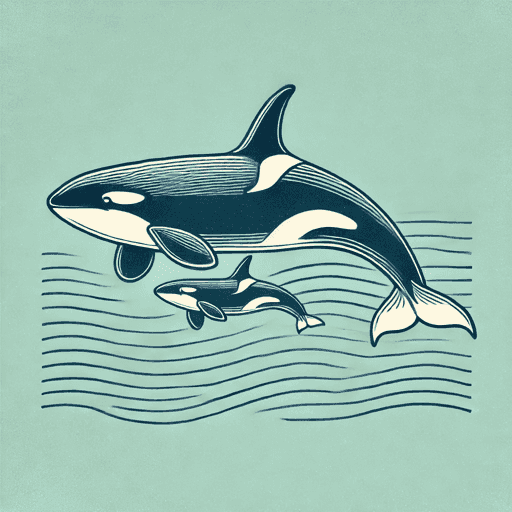
A Whale of the Wild
50 pages • 1-hour read
Rosanne Parry, Illustr. Lindsay MooreA Whale of the Wild
A modern alternative to SparkNotes and CliffsNotes, SuperSummary offers high-quality Study Guides with detailed chapter summaries and analysis of major themes, characters, and more.
Background
Series Context: Voice of the Wilderness
American author Rosanne Parry’s Voice of the Wilderness series highlights the struggles of wildlife and promotes conservation through the experiences of the animal protagonists. The series consists of stand-alone novels that combine middle-grade adventure stories with messages about ecological responsibility. For example, A Whale of the Wild (2020) addresses contemporary issues like pollution, overfishing, and habitat destruction through the eyes of its orca narrators. The series’ first installment, A Wolf Called Wander (2019), is based on the true story of a young male wolf who made a solitary journey from Oregon to California and back again in 2011. Many of the challenges the wolf faces on his trek are caused by human activity, such as hunting. The New York Times-bestselling novel made the Junior Library Guild Best Books list (2019) and was a finalist for the Oregon Book Award (2020). The third book in the series, A Horse Named Sky (2023) is a historical fiction novel set in the days of the Pony Express. Like A Whale of the Wild, Sky’s story examines humans’ often destructive influence on the environment while celebrating the earth’s beauty and the Indigenous cultures who treat nature with respect. A Horse Named Sky’s honors include a Junior Library Guild Gold Standard selection and the Oregon Spirit Book Award (2024). In A Wolf Called Fire (2025), Parry tells the tale of one of Wander’s litter mates, a male wolf named Warm, as he embarks on an unconventional path to leadership. The author takes inspiration from the true story of a wolf who lived in Yellowstone: “Wolf 8 survived a tumultuous first year and grew up to be a different sort of leader—one who fought many rival wolves to submission but never killed any” (“A Wolf Called Fire,” HarperCollins, 2025). Like Vega, Warm must harness his unique strengths to become a leader and ensure his family’s survival. Parry’s award-winning animal adventure novels blend environmental education with storytelling.
Geographical Context: The Salish Sea
The Salish Sea is known for its complex ecosystem, and Parry’s novel examines the factors that threaten this delicate balance as well as the people who work to protect it. The Salish Sea is an inland sea of the Pacific Ocean that reaches from the Canadian province of British Columbia to the US state of Washington and encompasses over 400 islands. The region is home to more than “eight million people” as well as an abundance of marine life (177). Salmon are “the keystone species of the Salish Sea” (187), and their numbers have dwindled due to overfishing, climate change, and pollution. The shrinking salmon population impacts the entire ecosystem as many other species depend upon the fish for food, including orcas, seals, otters, and sea lions. A Whale of the Wild is inspired by the Southern Resident Killer Whale community, which is endangered by the lack of salmon as well as factors like noise pollution and warming waters.
The sea is named after the Coast Salish people, who have lived in the region for thousands of years. Today, these Indigenous peoples are leading the charge to protect this ecosystem. For example, First Nations scientists and activists are involved in restoring damaged rivers and using traditional knowledge to advance fishery management. In 2020, the Salish Sea Indigenous Guardians Association was established. The nonprofit organization aims to preserve wildlife and empower communities by combining data with holistic perspectives to “support reconciliation and sustainable regional planning” (McGillivray, CJ. “The Salish Sea Indigenous Guardians Association Bridges Data with Indigenous Perspectives.” Indigenous Partnerships Success Showcase, 2022). In another victory, the Lummi Nation prevented a coal terminal from being placed in the Salish Sea by exercising their treaty-protected fishing rights in 2016. The region’s Indigenous peoples have a particularly strong bond with the area’s killer whale population. This sense of kinship between Indigenous peoples and orcas and their vital role in restoration efforts are both highlighted in the novel’s climax when the longboat riders help Vega reopen the river so the salmon can complete their migration. Although many factors threaten the Southern Resident Killer Whale community and the Salish Sea as a whole, important steps are being taken to protect this vital ecosystem.

Unlock all 50 pages of this Study Guide
Get in-depth, chapter-by-chapter summaries and analysis from our literary experts.
- Grasp challenging concepts with clear, comprehensive explanations
- Revisit key plot points and ideas without rereading the book
- Share impressive insights in classes and book clubs