An Elderly Lady is up to No Good
52 pages • 1-hour read
Helene TurstenAn Elderly Lady is up to No Good
A modern alternative to SparkNotes and CliffsNotes, SuperSummary offers high-quality Study Guides with detailed chapter summaries and analysis of major themes, characters, and more.
Background
Genre Context: Nordic Noir
An Elderly Lady Is Up to No Good is part of a mystery subgenre called Nordic Noir, Scandinavian Noir, or Scandi Noir. This subgenre typically uses distinctly Nordic settings—such as frozen fjords and other remote northern landscapes—to create atmospheres of isolation and bleakness congruent with the complex and flawed characters’ actions. These mysteries are characterized by social realism and highlight thorny social issues such as discrimination, sexual violence, environmental damage, and official corruption. Their language tends to be direct, avoiding flourishes like figurative language and emotionally charged diction.
Many critics credit Swedish authors Maj Sjöwall and Per Wahlöö with creating the subgenre. In their Martin Beck novels, which they began publishing in the 1960s, Sjöwall and Wahlöö combined the crime story with Nordic settings and offered an examination of social issues in a gritty style influenced by American writers like Ed McBain, the author of Cop Hater. Nordic Noir has grown increasingly popular, with many novels originally published in Scandinavia, Finland, Iceland, and the Faroe Islands becoming international bestsellers. Some of the most popular novels have been adapted into films and television shows for international audiences. Among the genre’s most famous and acclaimed works are Peter Høeg’s Miss Smilla’s Feeling for Snow, Stieg Larsson’s The Girl With the Dragon Tattoo, and Jo Nesbø’s The Snowman.
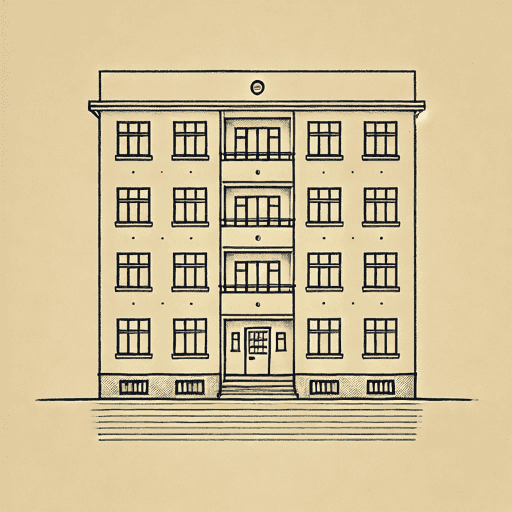
Although An Elderly Lady Is Up to No Good does not take place in a bleak setting, it unfolds in a Nordic setting—Gothenburg, Sweden. Maud’s apartment is the scene of her isolation, and she is a clear example of a complex and flawed protagonist. The novel focuses attention on stereotypes about older women, class differences, mental illness, domestic violence, and other real-world social problems, and its language is distinctly direct and unembellished. These qualities mark the collection as an example of Nordic Noir, albeit with some genre-twisting touches of Tursten’s own.
Critical Context: Tursten’s Use of Humor to Subvert Genre Expectations
Tursten’s stories about Maud subvert common conventions of the Nordic Noir subgenre through humor. A common trope in these novels is the gritty, troubled professional detective, beaten down by years of service in a difficult field. While Maud is troubled, she is hardly a hard-bitten pro—she is a well-off elderly lady intensely concerned with propriety and creature comfort. While the police investigators more typical of the subgenre battle against serial killers, corrupt authorities, and sexual predators, Maud battles a noisy neighbor, an apartment poacher, and an adult film actor looking to make an advantageous marriage.
In many ways, the stories in An Elderly Lady Is Up to No Good are more typical of another subgenre: the cozy domestic mystery. These stories take place in domestic settings—like Maud’s apartment building and the Selma Spa. Cozy domestic mysteries often employ humor, like Tursten’s stories, and they often feature elderly protagonists who, like Maud, are greatly concerned with social order and enjoying small pleasures like a good meal or a soft bed.
An Elderly Lady Is Up to No Good does not fit perfectly into this genre, either. The protagonists of cozy domestic mysteries tend to be amateur sleuths caught up in events by happenstance. Maud is not a “sleuth” at all: She is a killer, and her involvement in the murders is by design, not happenstance. Unlike the typical elderly protagonist of a cozy domestic mystery, Maud is not warm, well-meaning, and charming. She is cold, calculating, and dangerous. Her stories are not lighthearted or uplifting, unlike most cozy domestics. Instead, the humor in An Elderly Lady Is Up to No Good is dark and biting, satirically pointing out the dangers of things like self-centered thinking and stereotyping.
Importing elements of the cheerful cozy domestic mystery into the dark and brooding confines of Nordic Noir offers a comical element. This effect is compounded by making Maud both a fussy older lady and a cunning killer, creating a parody of both Nordic Noir and the cozy domestic mystery. Tursten is not the only author who has created works that simultaneously celebrate and undermine the conventions of Nordic Noir. Antti Tuomainen’s novel The Rabbit Factor embodies this humorous genre subversion, as does the popular television series Lillehammer.

Unlock all 52 pages of this Study Guide
Get in-depth, chapter-by-chapter summaries and analysis from our literary experts.
- Grasp challenging concepts with clear, comprehensive explanations
- Revisit key plot points and ideas without rereading the book
- Share impressive insights in classes and book clubs