Arcana Academy
70 pages • 2-hour read
Elise KovaArcana Academy
A modern alternative to SparkNotes and CliffsNotes, SuperSummary offers high-quality Study Guides with detailed chapter summaries and analysis of major themes, characters, and more.
Symbols & Motifs
The Major and Minor Arcana
The tarot deck’s division into Major and Minor Arcana functions as a motif representing the tiered structure of power and knowledge in the Oricalis Kingdom. This system is the primary tool for the theme of State Control of Knowledge and Power. The Minor Arcana, consisting of the four suits of Wands, Cups, Swords, and Coins that govern the elements, symbolize the regulated, state-sanctioned magic that Arcanists are permitted to learn and wield through the academy. Clara’s initial crime, “illegally inking, selling, and using tarot cards” (8), all of which are Minor Arcana, establishes that access to even this lower tier of power is a privilege controlled by the crown, not a right. In fact, before her arrest, Clara helped illegal Arcanists escape the city so that they could live without being beholden to the crown.
In contrast, the Major Arcana represent a deeper, mythical tier of power linked to destiny and legendary abilities. Clara’s initial belief that “no one knows” how to ink a Major Arcana card reinforces their status as forbidden, almost folkloric knowledge (9). Even within the academy, The Sanctum of the Majors is hidden from other initiates and students; it can only be found by navigating secret passageways and pressing on the ring on an old sarcophagus. All of this establishes a symbolic division between the Minor and Major Arcana and reinforces a rigid hierarchy where the state controls the accessible magic of the populace while the ruling class secretly pursues the world-altering power of the Majors.
The World Card
The World Card, something that Clara once believed to be merely myth, is a symbol of infinite, unchecked power. When Kaelis first reveals his plan to Clara, he notes that the 21st tarot card has “the power to change anything—everything” and can instantaneously transform the world into something new (23). Later, Clara learns all that is required to wield this card and also that Kaelis wishes to upend the kingdom and unseat the Oricalis family, his own, for the evils they have committed. Although this sounds alluring to Clara, she doesn’t know what exactly Kaelis wishes for, and she has her own desires, which are to resurrect her mother and sister.
The possibilities of Clara’s wish suggest the omnipotence of the card; not only can it reshape social hierarchies and political systems, but it can also raise people from the dead. Later, Bristara alludes to the dangers of this unbridled power when she tells Clara about the Worldkeepers, the group that protects it: “We are the ones who will always remember the worlds we walked should it be scrubbed from memory if, or when, it is rebuilt” (491). The fact that a card can erase a world and “scrub” it from people’s memories suggests how dangerous and all-powerful the World is. Its capacity is so great that Bristara believes it should be in the hands of no one.
The Arcanum Chalice
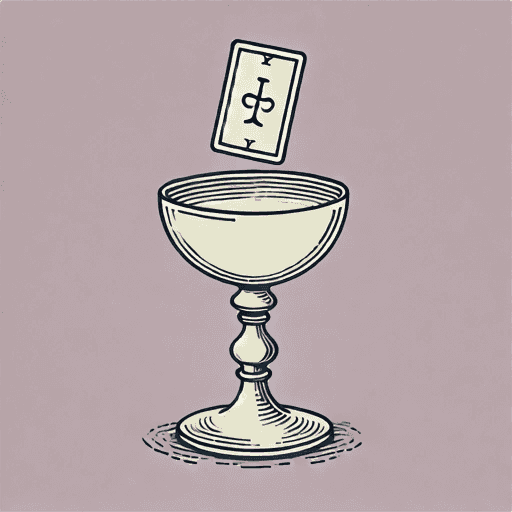
The Arcanum Chalice is a motif that embodies the themes of State Control of Knowledge and Power and Class and Social Mobility Within Elite Systems. The chalice represents the brutal, sacrificial cost of ambition and social mobility within the kingdom’s rigid systems, as it demands that individuals give up a part of their future to gain access to greater power. During the Fire Festival, the academy’s initiation ritual, applicants are forced to surrender a potential destiny to the Chalice. As Clara explains to a fellow applicant, “This is Arcana Academy. Your future is your tuition” (46). This transaction is not just metaphorical; the Chalice literally consumes a piece of a person’s fate in exchange for the right to learn sanctioned magic. The ritual functions as a cruel gatekeeping mechanism, ensuring that even those who manage to enter the elite academy are immediately diminished. Furthermore, the ordeal is a public spectacle in which initiates must “fight and kill that future while everyone in the academy watches [them]” (47). This transforms a deeply personal sacrifice into a form of institutional entertainment and judgment, reinforcing the academy’s dominance. The Chalice is thus the ultimate symbol of a system that fuels itself by consuming the futures of the less powerful.

Unlock the meaning behind every key symbol & motif
See how recurring imagery, objects, and ideas shape the narrative.
- Explore how the author builds meaning through symbolism
- Understand what symbols & motifs represent in the text
- Connect recurring ideas to themes, characters, and events