Artificial Condition
Artificial Condition
A modern alternative to SparkNotes and CliffsNotes, SuperSummary offers high-quality Study Guides with detailed chapter summaries and analysis of major themes, characters, and more.
Summaries & Analyses
Quizzes
NEWReading Tools
Symbols & Motifs
Murderbot’s Data Port
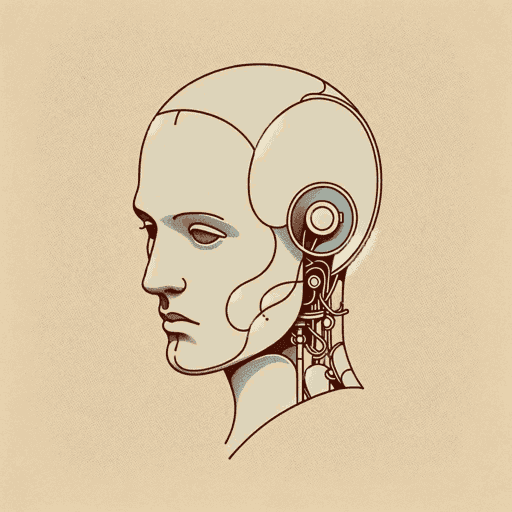
The data port on the back of Murderbot’s head is a motif that helps the novella explore The Line Between Human and Machine. Before Murderbot’s surgery, the data port is a physical sign that it isn’t human. While it can conceal some of its robotic physical traits, such as the weapons in its arms, Murderbot has trouble concealing the data port and worries that it will give away its human disguise. ART’s surgery helps conceal the data port, reinforcing the idea that Murderbot is becoming increasingly human. Further, when ART renders the data port inoperable, Murderbot moves closer to being human and further from being a machine, since it no longer has access to the technology that would be plugged into the port.
The data port also represents Murderbot’s freedom and autonomy. By disabling the data port, ART ensures that Murderbot will never again have to obey human commands. Tlacey’s attempt to control Murderbot focuses on inserting a combat override module into the port. The failure of this effort highlights Murderbot’s freedom. Her focus on the data port also indicates that Tlacey continues to view Murderbot as a machine, rather than a person, since she seeks to control him with a computer program rather than to persuade him through reason. While Murderbot’s surgery causes it to lose technological capabilities, it gains a sense of self and autonomy.
Ganaka Pit
Ganaka Pit, the location of the massacre in which Murderbot participated, is a symbol representing Murderbot’s past. It also represents the path to self-acceptance. Murderbot’s central purpose is to fill in the gaps in its memory regarding its role in the massacre that took place at Ganaka Pit. Without a clear purpose after escaping human control, Murderbot believes that learning about its past may help form a plan for its future. It wants to understand the incident to know whether it will inadvertently pose a danger to others in the future.
The visit to Ganaka Pit only partially fulfills Murderbot’s desire for direction and self-realization. When it learns that it wasn’t responsible for the killing spree, Murderbot begins to let go of its feelings of guilt. Yet, the accidental nature of the incident seems to underline the randomness of the universe and the pointlessness of existence, leaving Murderbot feeling “awful.” Murderbot’s discoveries remind it that many things are outside its control and, even though it hacked its governor module, it has only a limited agency in directing its future.
SecUnit Cubicles
The 10 empty SecUnit cubicles that Murderbot finds in Ganaka Pit are a motif that helps refine its understanding of The Quest for Purpose. Murderbot comes to Ganaka Pit seeking information that will help it determine what to do with its life now that it isn’t under human control. The SecUnit cubicles, one of which used to contain Murderbot, remind it that it used to have a straightforward purpose: to protect its human clients. They also remind Murderbot that it failed in that purpose, since it inadvertently massacred the people it was supposed to protect. The fact that Murderbot failed so dramatically at its former, straightforward purpose indicates that it may face difficulty in achieving the more daunting goal of finding purpose and fulfillment as an autonomous being.
The “intense feeling” Murderbot experiences when faced with the cubicles may include a sort of jealousy or regret (109). Adrift in an immense and sometimes hostile universe, Murderbot remembers the simple life it led before it gained its freedom. In addition, the empty quiet of Ganaka Pit and the cubicles reinforces Murderbot’s isolation; it is no longer a member of a band of SecUnits. Reflecting on its past as a human-controlled robot and member of a security squadron, Murderbot feels the weight of its new freedom and individuality.
The cubicles also represent human selfishness and greed. They are empty because the SecUnits that massacred their clients, are still in use elsewhere and Ganaka Pit has been erased from maps. The corporate entities involved in the incident pretend it never happened rather than addressing the underlying issues that led to so many deaths, even if this negligence leads to further danger in the future.

Unlock the meaning behind every key symbol & motif
See how recurring imagery, objects, and ideas shape the narrative.
- Explore how the author builds meaning through symbolism
- Understand what symbols & motifs represent in the text
- Connect recurring ideas to themes, characters, and events