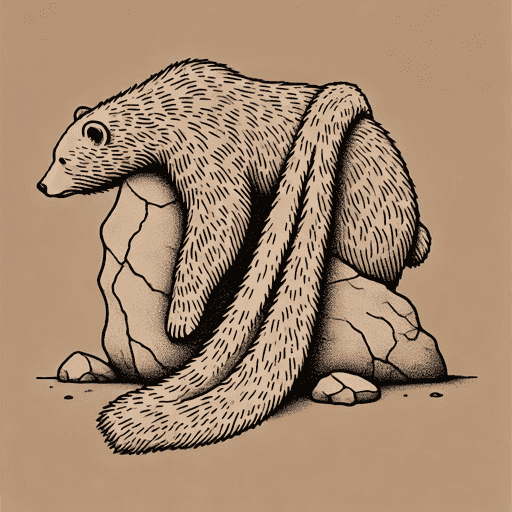
Black Woods, Blue Sky
57 pages • 1-hour read
Eowyn IveyBlack Woods, Blue Sky
A modern alternative to SparkNotes and CliffsNotes, SuperSummary offers high-quality Study Guides with detailed chapter summaries and analysis of major themes, characters, and more.
Background
Literary Context: Eowyn Ivey’s Inspiration
Eowyn Ivey calls Black Woods, Blue Sky her “complicated love song to Alaska” (“PouredOver: Eowyn Ivey on Black Woods, Blue Sky.” YouTube, uploaded by Barnes & Noble, 13 Feb. 2025). The Alaskan landscape has always been central to Ivey’s storytelling. In Black Woods, Blue Sky, the wilderness is not just a backdrop but also a character. As an Alaskan, Ivey’s intimate knowledge of the landscape allows her to depict the setting with vividness. The author says that Emaleen is autobiographical, that her father inspired Arthur, and that some scenes from the novel are taken directly from her childhood. She also says that the book explores the fear she experienced as a child. Through an adult’s eyes, Ivey takes something complicated that she experienced and turns it into art. Just as the work reflects her respect for the Alaskan wilderness, Ivey’s novel also demonstrates her contemplation of how past traumas and familial relationships shape one’s identity and choices.
Black Woods, Blue Sky is not a direct retelling of Beauty and the Beast, but it shares thematic and symbolic parallels with the fairy tale. Ivey’s story replaces the enchanted castle with a spartan cabin in Alaska’s wilderness. Both stories explore transformation, the tension between civilization and wildness, and the struggle to reconcile human and animalistic natures. Arthur, like the Beast, exists between human and animal worlds. The Beast’s curse forces him into an outwardly monstrous form that reflects his inner flaws. Arthur’s decision to fully embrace his bear identity echoes the Beast’s initial isolation; however, unlike in the fairy tale, there is no magical redemption for him. Instead of being “saved” by love, Arthur can’t escape his inner nature. Birdie’s dynamic with Arthur also has elements of Beauty and the Beast, particularly in how she implicitly trusts and understands his strangeness. Birdie is no stereotypical “beauty” as Emaleen describes her: “like a beautiful woodland elf but with a cigarette and a brown Michelob bottle in the same hand” (253). Additionally, unlike the traditional tale, the relationship does not lead to love and transformation but ends in violence. This subversion cements Ivey’s novel not as a romanticized retelling of the fairy tale but as a meditation on the consequences of trying to coexist with the untamed.
Ivey’s previous works have woven folklore into contemporary narratives, and Black Woods, Blue Sky is no exception. The novel draws inspiration from Indigenous Alaskan mythology. This myth integration connects the characters’ journeys to the relationship between humanity and nature. Ivey’s storytelling blends magical realism with character studies, infusing the narrative with mysticism while grounding it in the realities of human emotion. The author explores the tangible and ethereal aspects of existence, intertwining her personal experience, cultural mythology, and the Alaskan wilderness into a reflection on familial connections, nature, and the stories that shape one’s understanding of the world.

Unlock all 57 pages of this Study Guide
Get in-depth, chapter-by-chapter summaries and analysis from our literary experts.
- Grasp challenging concepts with clear, comprehensive explanations
- Revisit key plot points and ideas without rereading the book
- Share impressive insights in classes and book clubs