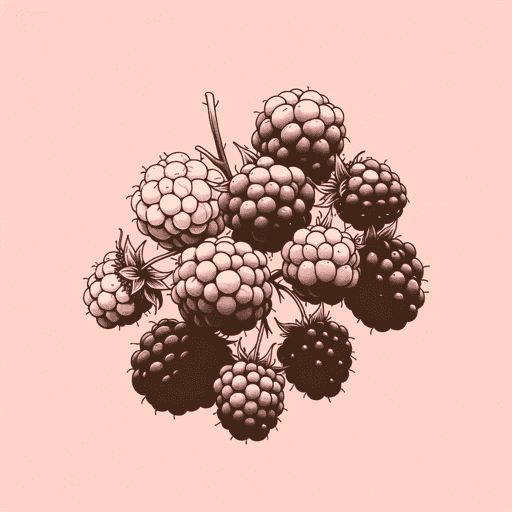
Blackberry Picking
16 pages • 32-minute read
Seamus HeaneyBlackberry Picking
A modern alternative to SparkNotes and CliffsNotes, SuperSummary offers high-quality Study Guides with detailed chapter summaries and analysis of major themes, characters, and more.
Background
Authorial Context
“Blackberry Picking” was published in Heaney’s debut poetry collection in his mid-twenties, and many poems in that volume center around the idea of growing up and transitioning life stages. This focus, which is among the poem’s major themes, is also clearly influenced by Heaney’s rural upbringing—he was the son of a farmer in County Derry in Northern Ireland, and so his childhood would have been infused with an appreciation and understanding of the natural world, including its folk traditions (further examined below).
Although not devoutly religious, Heaney was raised Catholic. In fact, it was his Catholic faith that brought him to the republic of Ireland away from the nationalist conflict of the Troubles so prevalent through his lifetime. This poem contains allusions to the Holy Communion, such as drinking the manifested blood of summer as though it were wine (Line 6), and the prickly briar that evokes Christ’s crown of thorns at the crucifixion (Lines 10, 16). This symbolism may have been intentional, or it may have simply come from the poet’s awareness of the relationship between spirituality and the land, as faith and belief can often seep unnoticed into many aspects of life.
Heaney’s later work would move away from such agricultural imagery and toward more political, cosmopolitan discourse.
Folkloric Context
Although not a fantastical poem, “Blackberry Picking” holds several allusions to folklore and fairy tales—a proud mainstay of the Irish literary tradition. The most obvious allusion is in Heaney’s reference to Bluebeard: “our palms sticky as Bluebeard’s” (Line 16). In the folktale, Bluebeard is a nobleman who takes on a young bride and tricks her into entering his most secret room, where she discovers the bodies of his previous wives. Depending on the telling, she’s either rescued by concerned family members or becomes Bluebeard’s next trophy.
This story has become associated with blood, dark secrets, and, to a lesser extent, manipulation. By using this simple, offhand reference which contemporary readers would recognize, the poem creates a sinister turning point along with an undertone of guilt. The reader might also find echoes of classic fairy tale lore in the images of “Where briars scratched” (Line 10) and “Our hands were peppered / With thorn pricks” (Lines 15-16), which bring to mind the story of sleeping Briar Rose and the fight across the barrier of thorns.
Another lesser-known but more relevant folkloric association is with the Irish legend of the Phouka, a shape-changing spirit of the land. In traditional Irish lore, any blackberries left unharvested after Halloween (later Michaelmas Eve, September 28) became property of the Phouka (later stories ascribe this tradition to the devil instead). Numerous explanations for this practice evolved over the years, such as the later blackberries being spat on or peed on by the devil. One explanation—perhaps the one closest to the truth—suggests that by leaving all post-Halloween harvest to the Phouka, one was paying a sort of tax or tribute to the land with which they worked in partnership, ensuring a good harvest for many years to come. Given the poem’s seasonal setting, one may interpret the ending as the children’s punishment for taking a harvest that should have belonged to the land.

Unlock all 16 pages of this Study Guide
Get in-depth, chapter-by-chapter summaries and analysis from our literary experts.
- Grasp challenging concepts with clear, comprehensive explanations
- Revisit key plot points and ideas without rereading the book
- Share impressive insights in classes and book clubs