Blackthorn
60 pages • 2-hour read
J. T. GeissingerBlackthorn
A modern alternative to SparkNotes and CliffsNotes, SuperSummary offers high-quality Study Guides with detailed chapter summaries and analysis of major themes, characters, and more.
Essay Topics
Content Warning: This section of the guide contain depictions of graphic violence, sexual violence, sexual content, bullying, and illness or death.
In what specific ways does the Blackthorn matriarchy create and sustain power in Solstice? How do they contrast with the Croft family?
Contrast Ezra Scott’s scientific rationalism with Quentin’s silent, supernatural loyalty. How do these secondary male characters function as symbolic representations of Maven’s options in life?
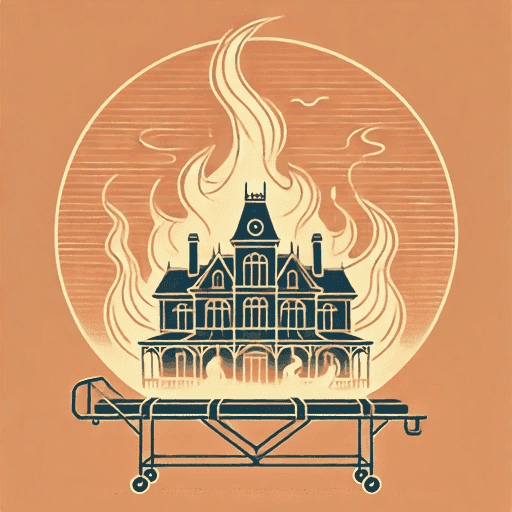
How do the different settings, such as Blackthorn Manor, Ronan’s home, and the church, symbolize the conflict between inherited magic and scientific ambition?
How does Geissinger blend the atmospheric suspense of classic Gothic literature with the psychological intensity and controversial themes of contemporary dark romance? Does one genre ultimately serve the other, or does their synthesis create a distinct hybrid narrative?
How does Blackthorn defy any straightforward feminist interpretations of its primary events? In what ways does it celebrate female power, and what aspects of the novel undermine that very celebration?
Compare the symbolic function of Blackthorn Manor to another menacing house in Gothic literature, such as Thornfield Hall in Charlotte Brontë’s Jane Eyre (1847) or the titular house in Shirley Jackson’s The Haunting of Hill House (1959). How does Geissinger adapt this classic literary trope to explore themes specific to the dark romance genre?
How does the novel’s use of violent, proprietary language to portray sexual intimacy reinforce the idea that Maven and Ronan’s desire is inseparable from their families’ legacies?
How does the novel’s symbolic ecosystem (e.g., the red fox, the snakes, and the impossible butterflies) blur the boundaries between the natural and supernatural worlds?
Ronan Croft’s character arc culminates in his literal transformation into a monster. How does this physical manifestation of his curse serve as a metaphor for his internal struggle with his family’s dark legacy and his obsessive desire for Maven?

Unlock all 60 pages of this Study Guide
Get in-depth, chapter-by-chapter summaries and analysis from our literary experts.
- Grasp challenging concepts with clear, comprehensive explanations
- Revisit key plot points and ideas without rereading the book
- Share impressive insights in classes and book clubs