Bonded by Thorns
70 pages • 2-hour read
Elizabeth HelenBonded by Thorns
A modern alternative to SparkNotes and CliffsNotes, SuperSummary offers high-quality Study Guides with detailed chapter summaries and analysis of major themes, characters, and more.
Symbols & Motifs
Content Warning: This section of the guide includes discussion of physical abuse, emotional abuse, graphic violence, and sexual content.
The Briars and Thorns
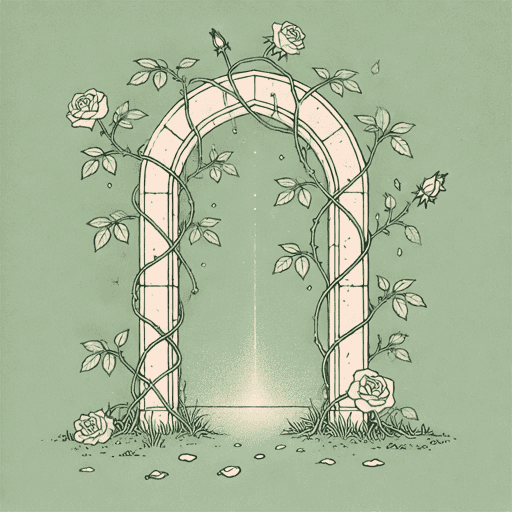
The ever-present briars and thorns function as a complex and pervasive motif, representing the intertwined nature of danger, sanctuary, and latent power in the Enchanted Vale. As the malevolent work of the Prince of Thorns, the briars physically manifest the encroaching evil that saps the magic from Castletree and threatens the fae world. They are a constant, physical reminder of the external conflict and the curse that plagues the high princes.
The motif’s meaning evolves as Rosalina discovers her innate connection to them, transforming from sinister to accommodating. During the climax, when Rosalina struggles to save Keldarion from the ice, she suddenly realizes “the briar patch is a rosebush,” and when she reaches for it, “the thorny stems curve toward [her],” prompting her to ask, “What if Caspian isn’t the only one who can control them?” (377). This discovery highlights the theme of Forging Identity Through Confrontation and Crisis—The thorns become an active participant in the narrative, reflecting both the pervasive threat and Rosalina’s burgeoning strength.
Roses
The rose acts as a central symbol in Bonded by Thorns, linking love, hope, the fragile state of Castletree’s magic, and the protagonist herself. Rosalina’s decision to willingly become Keldarion’s prisoner is prompted by an act of love—a rose Rosalina’s father steals as a gift for her—“a rose for my Rose” (26). The connection is deeply personal, as the flower links her identity to the fate of the castle’s magic from the outset. The rose’s dual nature as a token of love and a cause for punishment introduces the novel’s core tensions between affection and power, beauty and danger.
The four enchanted roses kept in the High Tower function as tangible symbols of the princes’ ability to overcome their curse and reclaim their lives. As the roses wilt, hope for breaking the spell fades. The Enchantress’s decree that “[w]hen they have wilted and returned to the ash [...] the curse will be sealed forever” establishes the flowers as a countdown clock (357), visually representing the dwindling princes’ remaining hope. Their decay symbolizes the encroaching despair that threatens to make the curse permanent. However, the symbol also carries the potential for renewal. The spontaneous blooming of new roses in the castle’s hearth upon Rosalina’s arrival suggests she possesses a unique ability to counteract the decay, linking her directly to the restoration of hope and the potential salvation of the realms.
Bargain Bracelets
The magical bargain bracelets are a key symbol of negotiated agency and shifting power dynamics, underscoring the theme of Embracing Psychological Freedom Within Captivity. These bracelets appear on the wrists of two individuals when they strike a binding magical deal, serving as a tangible, physical representation of their pact. When Rosalina offers to help the princes find their mates in exchange for her own freedom. Keldarion seals the deal, stating, “It’s a bargain [...] Until you break the curse or I choose to release you, you shall remain a guest of Castletree” (132). This moment marks a pivotal shift in Rosalina’s status in the castle. The appearance of the bracelet, described as a “ribbon of blue light” that wraps around their wrists to form “frosted ice with gleaming rose petals frozen within” (132-33), visually confirms her transition from a captive to a contracted partner with defined terms for her freedom, emphasizing her growing agency.

Unlock the meaning behind every key symbol & motif
See how recurring imagery, objects, and ideas shape the narrative.
- Explore how the author builds meaning through symbolism
- Understand what symbols & motifs represent in the text
- Connect recurring ideas to themes, characters, and events