Bruno, Chief of Police: A Novel of the French Countryside
44 pages • 1-hour read
Martin WalkerBruno, Chief of Police: A Novel of the French Countryside
A modern alternative to SparkNotes and CliffsNotes, SuperSummary offers high-quality Study Guides with detailed chapter summaries and analysis of major themes, characters, and more.
Essay Topics
Content Warning: This section of the guide includes discussion of graphic violence, racism, and death.
How does Bruno’s past trauma in Bosnia inform the moral framework that leads him to subvert state law in favor of community-based justice in St. Denis?
How does Walker’s narrative structure, which delays the reveal of a historical motive for Hamid al-Bakr’s murder, reinforce the novel’s argument about The Impact of the Past on the Present?
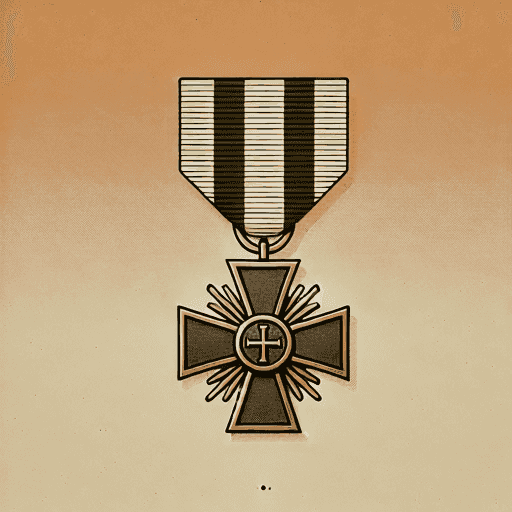
Examine the symbolic inversion of both the Croix de Guerre medal and the swastika. How do these two symbols work in tandem to critique the reliability of official narratives and expose the gap between a person’s public identity and their hidden history?
How does the defense of the Périgord’s culinary heritage and the concept of terroir function as a metaphor for the region’s broader resistance to external political and bureaucratic forces?
Bruno, Chief of Police is identified as a roman policier de terroir, or regional crime novel. Analyze how the novel uses the conventions of the detective story to explore themes that extend beyond crime and punishment, such as the conflict between tradition and modernity, and the complexities of French national identity.
The novel concludes with an extralegal act of vengeance being tacitly accepted by the authorities that highlights The Limitations of Traditional Law Enforcement in Delivering Justice. Construct an argument for or against the idea that true justice is achieved by the end of the story.
Analyze the motif of commemorative parades. How does the novel contrast the public performance of collective memory during these rituals with the private, unresolved traumas that drive the central conflict?
Bruno’s role as chief of police is deeply intertwined with his identity as an integrated member of the St. Denis community. Explore the inherent tension between his official duties as an agent of the French state and his unofficial role as a protector of local customs and social harmony. How does the novel resolve these tensions?
What literary devices does Walker use to develop the novel’s thematic engagement with The Importance of Preserving Cultural Identity and Heritage?
How does the third-person limited point of view function as a key tool for building suspense?

Unlock all 44 pages of this Study Guide
Get in-depth, chapter-by-chapter summaries and analysis from our literary experts.
- Grasp challenging concepts with clear, comprehensive explanations
- Revisit key plot points and ideas without rereading the book
- Share impressive insights in classes and book clubs