Cod: A Biography of the Fish that Changed the World
54 pages • 1-hour read
Mark KurlanskyCod: A Biography of the Fish that Changed the World
A modern alternative to SparkNotes and CliffsNotes, SuperSummary offers high-quality Study Guides with detailed chapter summaries and analysis of major themes, characters, and more.
Index of Terms
Cod
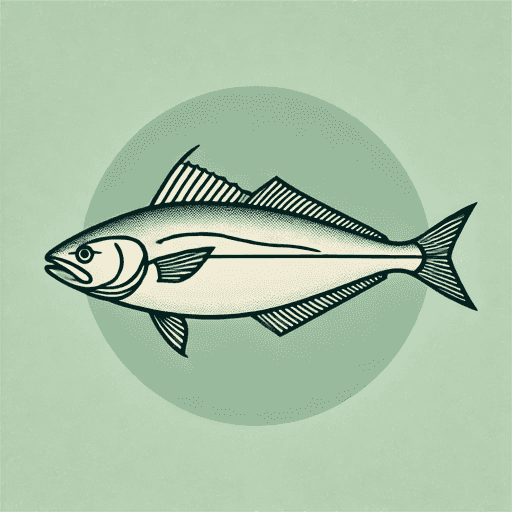
The cod fish, scientific name Gadus morhua, includes 10 families and over 200 species, and is part of a type of fish known as gadiforms or groundfish. Other kinds of gadiforms, often fished together or in similar waters, include the haddock, pollock, whiting, and hake. However, the cod is the most prized of these for commercial purposes.
The cod itself includes several regional types such as the Atlantic, the South Atlantic, and the Pacific. The Atlantic, commonly referred to as the northern stock, is the type found in the waters around Newfoundland and New England. The cod is hardy, omnivorous, swims in shallow waters, and spawns in large numbers. It is prized for its flavorful, flaky white flesh and its high protein content. It is easy to dry and cure, making it durable for travel, and has high nutritional value.
Exclusion Zones
A relatively new concept that gained popularity after World War II, exclusion zones are perimeters that extend from a country’s coastline into the waters that surround it, within which foreign access is either banned or strictly controlled. Several nations advocated for the concept, especially the United States and Iceland, as well as younger countries in South America and Africa who were interested in protecting their nationhood from their former colonizers. The initial zone limit was three miles from the coast. The final UN agreement in 1976 allows for a 200-mile zone from each nation’s coastline.
Handlining
Handlining is the traditional form of fishing, in which a single fishermen casts fishing lines and reels them in by hand. With handlining, only one (or at most two, when used with a single hook splitter at the end) fish is caught at a time. For centuries, inshore fishermen in the Grand Banks fished by handlining and resisted the move to longlining because of its greater upfront costs and the large amounts of space needed.
Longlining
Longlining was a new innovative fishing method first made popular by the French fishing fleets. Longlining consists of a very long line stretched across the water’s surface, ranging from half a mile to four or five miles long, with shorter fishing lines dropping into the water every three feet with bait. Longlining is a fast, more efficient method of fishing great numbers at once, and requires fewer dorymen to maintain over large areas. However, the space required can lead to tangled lines, and it leads to a greater risk of overfishing.
Moratorium
A moratorium, broadly speaking, is a pause or suspension of an activity for a specific amount of time, usually mandated and monitored by some authority. In the context of Cod, the moratorium refers specifically to the 1992 banning of cod and other ground fishing in the waters around Newfoundland and the Grand Banks.
Net Dragging
Net dragging was a new technological advancement paired with steam ships and bottom draggers to catch enormous amounts of fish at once. Nets are submerged to the ocean floor, stretched between two ships, and dragged across the ocean, catching everything it passes. Net dragging is controversial because of the dangers of catching many species of fish at once, many of which are undesired and thrown back injured or dead. This leads to depletion not only of the desired species, like cod, but any other species in the area. It is one of the primary causes of overfishing.
Overfishing
Overfishing is a broad term that refers to the act of fishing a stock above and beyond the numbers that stock can maintain long term. For centuries, both fishermen and scientists did not believe overfishing was possible. Influential scientific philosopher Thomas Henry Huxley argued that nature’s resilience could rebound from any amount of fishing or hunting, a concept that impacted political and conservationist policies for 100 years after his initial report. However, overfishing can lead to the eventual depletion of a stock, and has in some cases caused extinction.
Sail Ship/Schooner
Before the advent of the steam engine, fishing was conducted on large sailing ships from which smaller dories could be launched. Of these ships with sails, the schooner was the most popular and fastest type, made famous by Canadian and New England fishermen due to a series of highly-advertised races during the late 1800s and early 1900s. Additionally, though European fishing fleets had adopted steam engines by the 1890s, North American fleets still used schooners and other sail ships consistently up until the 1950s.
Steam/Engine Ship
The advent of the steam engine revolutionized fishing vessels. The British began using steam-powered ships in the 1880s and 1890s, and the French quickly adopted the new technology as well. Steam engines permitted ships to be larger and faster, with bigger nets for catching more fish and greater capacity to carry these catches. However, new technology moved to North America more slowly, further hindered by the expense of shipping coal to fuel these ships from overseas. This led to increasing disparity between European and North American fishing fleets and complaints of unfairness.
Trawl/Trawler
A trawl or trawler is a specific kind of fishing vessel that drags its fishing gear behind it in the water. Originally, trawlers were all longliners. Later, net dragging became the more popular form of fishing. New Englanders call these kinds of trawlers “bottom draggers.” The otter trawl, the prototype for all modern-day bottom draggers, was first built in Scotland in 1892, which greatly altered the methods of fishing available.

Unlock all 54 pages of this Study Guide
Get in-depth, chapter-by-chapter summaries and analysis from our literary experts.
- Grasp challenging concepts with clear, comprehensive explanations
- Revisit key plot points and ideas without rereading the book
- Share impressive insights in classes and book clubs