Comus
35 pages • 1-hour read
John MiltonComus
A modern alternative to SparkNotes and CliffsNotes, SuperSummary offers high-quality Study Guides with detailed chapter summaries and analysis of major themes, characters, and more.
Scene 1, Lines 1–92Chapter Summaries & Analyses
Content Warning: This section of the guide includes discussion of sexual content, substance use, and sexual harassment.
The First Scene: A Wild Wood
This opening section prepares the way for the conflict between good and evil that will be central to the masque. The framework is ostensibly the realm of classical mythology, with mention of Jove’s court and Neptune, the god of the sea. The Attendant Spirit, however, acts very much like the Christian concept of guardian angels, sent by God to offer people on Earth “that golden key / That opes the palace of eternity” (Lines 13-14)—that is, salvation. The Spirit’s characterization of Earth as “the rank vapours of this sin-worn mold” (Line 17) suggests the Christian understanding of humanity as “fallen,” or inherently disposed toward sin. This lays the groundwork for the play’s exploration of Virtue Versus Vice, suggesting a world in which good is embattled but attainable, with God’s help.
The Spirit also gives the exposition. The “Isle” he refers to is the island that contains England and Wales, which Milton’s English patriotism characterizes as “the greatest and best of all the main” (Line 28). The Spirit pays his tribute to the “noble Peer” (Line 31) who rules the region and informs the audience that the peer’s children are on their way to attend a ceremony: “their father’s state, / And new-entrusted scepter” (Lines 35-36). This metafictional touch nods to the masque’s real-world context while also establishing the backstory for the narrative action. Lastly, the Spirit explains that the wood is a dangerous place: “[T]he nodding horror of whose shady brows / Threats the forlorn and wand’ring passenger” (Lines 38-39). Jove, however, has sent the Spirit to protect the children.
The Spirit’s account of Comus’s origins explains the magician’s nature. He is the son of Bacchus and Circe. In Greek myth, Bacchus, also known as Dionysus, is the son of Zeus, the king of the gods, and the mortal woman Semele. He is the god of wine, vegetation, and revelry, as the play notes: It was he who from the “purple grape / Crushed the sweet poison of misuséd wine” (Lines 46-47). The framing of alcohol as “sweet poison,” a near oxymoron, explains Bacchus’s somewhat villainous status in the masque’s moral framework and foreshadows the symbolism surrounding the cup. Circe will be familiar to readers of Homer’s Odyssey. She is a sorceress who turned half of Odysseus’s men to pigs but failed to transform Odysseus, who was protected by a plant given to him by Hermes. (This foreshadows a later event in the poem, when the Spirit gives the brothers a plant to protect them from Comus.) Comus takes more after his mother than his father, the Spirit states, and he is even more highly skilled at sorcery than Circe. The potion he offers travelers makes them lose their power of discernment; they do not perceive their new monstrousness but think themselves more beautiful than before. They lose their reason—the gift that, in Christian thinking, lifts humans above the level of animals—and, forgetting all else, “roll with pleasure in a sensual sty” (Line 77). As this allusion to Circe’s practices demonstrates, the choice of Comus as an antagonist facilitates the masque’s exploration of Reason Versus Instinct, which interlocks with its moral concerns.
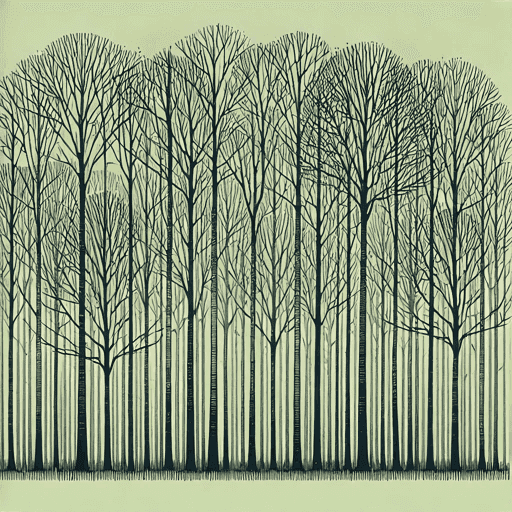
In order to fulfill his task of protecting the travelers, the Spirit changes himself into the likeness of a shepherd; his benign transformation contrasts with the bestial change he has just described in those who fall under Comus’s sway. Other contrasts occur in the imagery of this section as the pattern of the drama begins to take shape. There is a contrast, for example, between light and dark. The Spirit comes from those heavenly realms where the “bright” (Line 3) spirits live, and he retains that essence of light in his descent, while he perceives the earth as a “dim spot” (Line 5). Meanwhile, the dark wood where Comus lurks is a “thick shelter of black shades” (Line 62). The imagery of light and darkness thus elaborates on the fundamental opposition between good and evil.

Unlock all 35 pages of this Study Guide
Get in-depth, chapter-by-chapter summaries and analysis from our literary experts.
- Grasp challenging concepts with clear, comprehensive explanations
- Revisit key plot points and ideas without rereading the book
- Share impressive insights in classes and book clubs