Criss Cross
48 pages • 1-hour read
Lynne Rae PerkinsCriss Cross
A modern alternative to SparkNotes and CliffsNotes, SuperSummary offers high-quality Study Guides with detailed chapter summaries and analysis of major themes, characters, and more.
Chapters 26-38Chapter Summaries & Analyses
Content Warning: This section of the guide includes discussion of death.
Chapter 26 Summary: “Somewhere Else”
Debbie and Peter clean out Mrs. Bruning’s gutters and talk about living in different places. Peter is from California and explains that you “can be bored or interested anywhere” (258). They share different places they like to hang out in their respective hometowns before deciding to take a bus to a different town for fun.
Debbie and Peter buy bus tickets to New Bridge. In New Bridge, they visit a bakery and take a walk, studying the sights. Some things are familiar and some things are unfamiliar to Debbie. Meanwhile, the friends discuss different animals and philosophies. Peter shares what he recently learned from reading Siddartha. Debbie silently muses on what a perfect day she’s having. However, Peter returns to California just two days later.
Chapter 27 Summary: “Meanwhile, Elsewhere”
Hector walks past the bus station. It just rained and the walk is covered in worms. He considers writing a song about the worms on the sidewalk.
Chapter 28 Summary: “Mrs. Bruning”
Debbie returns to Mrs. Bruning’s. Her house seems different now that Peter is gone. While dusting, she studies a framed photo of Peter. Mrs. Bruning offers to give her a more recent one.
Chapter 29 Summary: “Elephants”
Debbie studies Helen’s old photo albums in the spare room. She now has one of Peter’s photos from Mrs. Bruning, too. Now that he’s gone, Debbie fears that nothing romantic will happen to her again. When Helen appears, Debbie hides the photo. Helen gives her a letter from Peter, which also includes Peter’s photo. Debbie tries telling Helen about him, assuming her mom doesn’t understand. She imagines all the things she and Peter could do and talk about if he were still here.
Chapter 30 Summary: “What Patty Said When Debbie Showed Her the Photo”
Patty asks Debbie if she can help out with Mrs. Bruning, too.
Chapter 31 Summary: “California of the Mind”
Debbie keeps Peter’s letter in her pocket wherever she goes. She wanders around town, studying her surroundings and thinking of Peter. Back at home, she touches the letter, realizing it isn’t making her feel better. She goes about her evening, feeling despondent. In the bathroom mirror after her shower, she realizes that Peter is the good thing she wanted to happen to her. She feels a little better and starts laughing.
Chapter 32 Summary: “Dan Persik’s Progress”
Dan encounters a man living with limb loss at the bus stop. He sits with him, asking what happened to his legs. The man engages Dan, seemingly relieved that Dan is so direct. Dan feels for the man. He boards his bus, studies Seldem through the window, and imagines his reincarnation.
Chapter 33 Summary: “A Pig Roast”
Chapter 34 Summary: “Roasting the Pig”
Lenny and Leon prepare the pig for the block party. They work until the middle of the night. Leon steps outside and studies the quiet neighborhood, listening to a train pass in the distance. Back inside, Leon and Lenny make coffee and finish their project. They sit outside with their mugs until Lenny falls asleep in his lawn chair. Lenny closes his eyes too, listening to the crickets and musing on their life cycles.
Chapter 35 Summary: “Sarong”
Hector decides to play some Hawaiian songs for the block party. He looks up Hawaiian musicians in a magazine and decides to wear a sarong to the event. Rowanne teases him but helps him prepare. She also offers to drive him to the party so he doesn’t have to walk through the neighborhood in his sarong. Hector insists on walking.
Chapter 36 Summary: “Flip-Flop, Necklace”
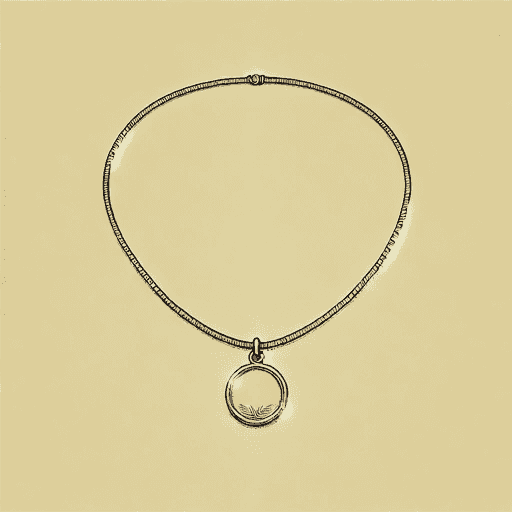
Hector wends his way through the neighborhood in his costume. When a car comes, he trips on his flip-flops and loses a sandal. He notices a necklace stuck in the road tar while recovering the missing shoe. He tugs it free, discovering Debbie’s name engraved on it. He pockets it and decides to give it to Debbie at the party.
Chapter 37 Summary: “On the Roof”
Hector and his friends meet up for the party. Then Hector climbs onto his friend’s roof. He studies the activity below and plays his song. Rowanne joins him. Then Debbie sees them and climbs the ladder to the roof. She congratulates Hector’s song and asks Rowanne about love, alluding to Peter. Rowanne insists that any relationship is meaningful even if it’s short lived. Then the friends talk about other women’s relationships in town. Debbie muses about her former piano teacher, Mrs. Szebo. She describes her time at Mrs. Szebo’s house and Mrs. Szebo’s relationship with Art. Shortly after they fell in love and married, Art passed away. She wonders aloud if she’ll have a relationship like that when she’s older.
Then Rowanne shares a story about her coworker Becky. Becky is constantly telling her coworkers about the men she’s seeing. Most recently, Becky announced that she was getting married to her boyfriend Rick. Rowanne asked Becky about the wedding but soon discovered that Becky had invented all of her boyfriends. Rowanne and Debbie agree that women shouldn’t pretend to have a relationship to prove themselves.
Chapter 38 Summary: “Lightning Bugs”
More neighbors and kids gather on the roof. They chat and collect lightning bugs in a jar that Debbie is holding. Debbie studies the insects while Lenny explains the science of their glowing torsos. Then he asks Debbie to join him at the movies. Debbie wonders if he’s the wrong person for her but accepts his invitation anyway.
Hector is musing on love when Debbie climbs down the roof and joins him on the grass. Then he starts playing another song on his guitar. Debbie hums along while musing on traveling somewhere else. Afterwards, Hector gives her the necklace. She reveals that it’s hers and she’d lost it. Hector helps her tie it around her neck because the clasp is broken. Their eyes briefly turn towards each other, but they look away before their gazes meet. The necklace feels disappointed: this is the moment that was supposed to bring Debbie and Hector together, but they missed it. The necklace hopes Debbie and Hector will get another chance. Then Patty, Lenny, Phil, Rowanne, and their siblings join the friends. They continue chatting and collecting fireflies.
Chapters 26-38 Analysis
The final chapters of Criss Cross lead the narrative through its climax, denouement, and resolution. Because Criss Cross’s narrative defies many novelistic conventions, these plot points are more subtle than they would be in a traditionally structured narrative. For example, the scene where Hector finds Debbie’s necklace “embedded in a patch of tar” acts as the narrative climax (306); this isn’t a scene of high action or conflict, but it ushers the narrative towards its end. Once Hector has the necklace in his possession, he returns it to Debbie—a decision that lends the narrative a circularity. This climax and resolution reiterate the Importance of Friendship and Connection. The necklace is the motif that ties all of the characters’ distinct lives together. Each link on the gold chain represents a different adolescent’s experience. Although each link is distinct, they are all strung together to make one cohesive chain. The image of Hector tying the necklace onto Debbie’s neck closes this loop. In these ways, the recovered necklace initiates the novel’s end and conveys how friends and community members can offer the individual wholeness. Once Debbie has her necklace back, she’s able to accept her place in Seldem, to reconcile with her life’s mysteries, and to embrace her ongoing self-discovery journey. Her friends and community afford her this sense of balance.
Scenes of dialogue throughout these closing chapters emphasize the ongoing nature of Debbie and her friends’ Search for Meaning and Understanding. These conversations allow them to ask questions and conversationally explore new ideas. Debbie and Rowanne’s dialogue in Chapter 37 is particularly significant in this regard. The conversation begins with Debbie’s question about romance: “Do you think,” Debbie asks Rowanne, “that if someone comes into your life for a really short time and then disappears forever, that it counts” (310)? Debbie is thinking of her unrequited feelings for Peter, but her question inspires a more philosophical discussion about loneliness, companionship, feminism, and the future. The friends swap stories about different women’s romantic experiences—anecdotes that convey how cultural expectations threaten to dictate a woman’s self-worth. Their stories about Mrs. Szebo and Becky offer alternate representations of romance. For Mrs. Szebo, love came later in life and was fleeting. For Becky, love has been so elusive that she’s invented imaginary boyfriends to maintain her dignity. These stories help Debbie and Rowanne to process how a woman’s self-worth has been societally tied to her relationship status. In discussing these cultural trends, the friends are asking questions about their own meaning and purpose.
The images of the lightning bugs in the novel’s final chapter provide insight into Debbie’s adolescent Journey Towards Self-Discovery. The image of her studying the insects in the jar is a metaphor for her own experience:
Between deliveries she watched the bugs crawl and flutter around inside the jar, searching for the exit. It seemed cruel to keep them in there when it was so obvious that they wanted to get out. But she told herself that once they were free, their small, basic brains would probably have no memory of being imprisoned (326).
The insects move in the jar the same way that Debbie’s mind and heart have been moving throughout the novel. The reference to crawling and fluttering evokes notions of restlessness and searching. The allusions to entrapment echo Debbie’s frustrated feelings with her ordinary life in Seldem. However, Debbie realizes that once the bugs are free, they won’t remember this period of powerlessness. This revelation suggests that Debbie will also escape and grow beyond her Seldem hometown reality in the future. Her ability to make this conclusion about the insects captures her personal growth.

Unlock all 48 pages of this Study Guide
Get in-depth, chapter-by-chapter summaries and analysis from our literary experts.
- Grasp challenging concepts with clear, comprehensive explanations
- Revisit key plot points and ideas without rereading the book
- Share impressive insights in classes and book clubs