61 pages • 2-hour read
Cymbeline
A modern alternative to SparkNotes and CliffsNotes, SuperSummary offers high-quality Study Guides with detailed chapter summaries and analysis of major themes, characters, and more.
Symbols & Motifs
Posthumus’s Garments
Clothing in general is a motif in the play, with characters’ disguises exploring the theme of The Relationship Between Appearance and Reality. However, Posthumus’s clothing is especially significant, tying the problem of appearances to The Influence of Nature Versus Nurture on Character. Imogen claims that the “mean’st garment / That ever hath but clipped [Posthumus’s] body is dearer / In my respect [than Cloten]” (II.3.132-134). This is a figure of speech—she personifies the clothes to present them favorably in contrast to Cloten, both to show how highly she values Posthumus and how little she values Cloten. Her high regard even for something that has only touched Posthumus imbues him with a fundamental nobility that is transferrable even to his inanimate objects. It shows that, to Imogen, Posthumus’s clothing reflects his inner goodness.
Cloten’s fixation on this insult leads to his resolution to kill Posthumus and rape Imogen, while wearing Posthumus’s clothing as a symbol of revenge. His obsession with this idea shows his villainous qualities: His pride, anger, jealously and lust are all expressed in his plan. His adoption of Posthumus’s clothes also indicates his intention to forcibly take over his role as Imogen’s lover. He expressly plans to rip the clothes to pieces too, symbolizing the destruction he wishes to bring upon Posthumus himself, and upon Imogen, who valued the clothes so highly.
These clothes prove powerful when Imogen finds Cloten’s corpse, as they are enough to convince her that it is in fact Posthumus. There is a layer of irony that she cannot tell the difference, having previously stressed how utterly different the two men are: She says confidently, “I know the shape of ‘s leg” (IV.2.309) and describes the godly qualities of the leg she has found. However, her confusion fits in a literal sense with her assertion of the clothes’ inherent nobility: They are enough to make even Cloten seem divine.
The Bracelet and the Ring
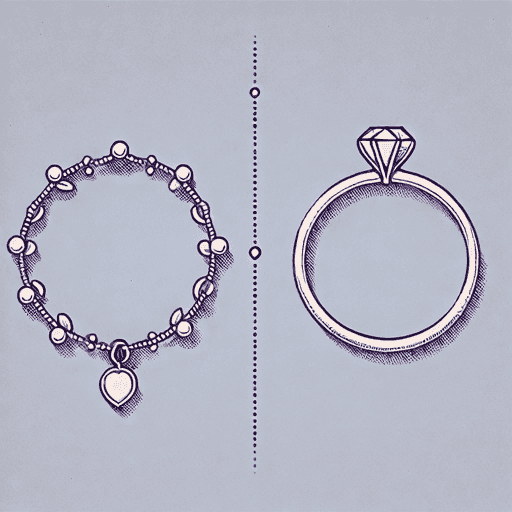
The bracelet and the ring are symbols of Imogen and Posthumus’s love and loyalty to each other. Their exchange fits into a literary and cultural tradition of exchanging tokens. The use of jewelry reflects the enormous value they each place on the relationship, suggesting it is precious and beautiful to them. Both rings and bracelets encircle the wearer, reflecting that they have made vows, and so are bound to each other.
The sentimental meaning of these objects mean that it is significant that Iachimo manipulates Posthumus into betting the ring: It suggests that just by entering into the wager, Posthumus has dishonored Imogen. He is entertaining the idea of giving her away to another, just as he is wrongly entertaining the possibility that she may be unfaithful. He initially refuses these stakes, showing that he knows the wager is wrong. His weakness in this moment is his fatal flaw: He behaves dishonorably towards his lover in a world where characters are defined by The Complexities of Honor in Love and War.
In Iachimo’s theft of the bracelet, he has taken something of material value, symbolizing his claim to have taken Imogen’s valuable honor. Her loss of the bracelet, even though he has not succeeded in seducing her, shows that despite her purity, her reputation has been stolen: Socially, Iachimo has succeeded in taking her honor. He also gains Posthumus’s ring through this act, showing that the lovers are at the nadir of their relationship and risk losing each other completely.
It is fitting that the resolution is instigated by Imogen recognizing the ring on Iachimo’s hand: She has stayed loyal to Posthumus throughout and is resolved to find a way to reunite. The reincorporation of this object and the circular shape of the ring symbolize the themes of reconciliation and restoration that characterize the play’s ending, as the main characters return to their natural places.
The Prophecies
The prophecies form a motif that plays an important narrative role and imbues events with meaning and tone. They bring a supernatural element into the play, fostering a magical, mysterious atmosphere. They foreshadow key moments in the plot, building tension and anticipation by pointing toward possible events. They also suggest that the characters’ and countries’ paths as fated and god-ordained, lending weight to the events of the play. They also tie into the theme of The Nature of British Identity by suggesting that the fortunes of Britain are divinely destined.
The two prophecies and their interpretations have specific symbolism too. The soothsayer translates the symbols he sees correctly: The eagle represents Rome; the sun in the west represents Britain, placing both forces as powerful and noble. However, the soothsayer’s interpretation of his prophecy is incorrect, showing human fallibility when it comes to true understanding, as his readings favor his own bias towards Rome, or what his leader Lucius wants to hear. In contrast, Cymbeline’s victory in battle suggests that his positioning as the sun reflects the overriding greatness of his monarchy. The image has an element of ambiguity: The eagle is swallowed by the sun, which the soothsayer suggests represents the joyful reunion of the Roman Empire and Britain; it could also be seen to represent Britain’s martial victory, or imply that Britain is the successor to Rome, taking on its mantle.
Jupiter’s prophecy to Posthumus also contains specific symbolism. Posthumus is positioned as a lion in keeping with his family name of “Leonatus,” but this animal also suggests both his nobility and his ferocity and courage in battle. Imogen is categorized as a “piece of air,” suggesting that she is utterly pure and untainted. The image also reflects Posthumus’s belief that she is dead: At this point in time, she would seem like a ghost to him. The tree and the branches represent Cymbeline and his children, an idea that ties them into the British earth and land, suggesting their natural right to flourish there. The image of a tree with roots suggests their bloodline is hallowed and ancient, imbuing their final reunion with a sense of rightness and restoration, thereby creating a hopeful ending for their family and for Britain.

Unlock the meaning behind every key symbol & motif
See how recurring imagery, objects, and ideas shape the narrative.
- Explore how the author builds meaning through symbolism
- Understand what symbols & motifs represent in the text
- Connect recurring ideas to themes, characters, and events