Dibs in Search of Self: The Renowned, Deeply Moving Story of an Emotionally Lost Child Who Found His Way Back
42 pages • 1-hour read
Virginia AxlineDibs in Search of Self: The Renowned, Deeply Moving Story of an Emotionally Lost Child Who Found His Way Back
A modern alternative to SparkNotes and CliffsNotes, SuperSummary offers high-quality Study Guides with detailed chapter summaries and analysis of major themes, characters, and more.
Chapters 11-15Chapter Summaries & Analyses
Chapter 11 Summary
At his next session, Dibs plays with a set of miniature objects that make up a town. He places a church in the center and several houses around it. Next, he places the trees, and comments on how lonely and sad they are as they watch the wind pass by them, hoping to tag along. Dibs tells Dr. Axline about an oak tree that grew outside his window, close enough for him to touch, and how his father ordered it to be cut. The family’s gardener at the time, Jake, became a source of comfort for Dibs, as he would always tell Dibs stories and teach him things he knew about the world. Touched by Dibs’s affection for the oak tree, Jake invented a story about a leaf that traveled the world on the wind and came back because it missed Dibs. Dibs kept said leaf, along with the end of the branch that Jake cut. Jake doesn’t come anymore, and Dibs expresses how he misses his friend.
Chapter 12 Summary
Dibs gets the measles and misses a week with Dr. Axline, but comes back after having gotten over the contagious period. He plays happily, singing about all the happiness in the world, the birds, and the sky. He tells Dr. Axline about how grateful he was to receive her get-well card, and the pussy willows (plants) that accompanied it. Dibs adds that his father encouraged him to put them in water so they could grow roots and be planted in the yard, and Dr. Axline is encouraged to hear that father and son have become more receptive. He also mentions his mother and how she read him stories while he was sick. He then asks Dr. Axline what therapy is upon reading the door sign again. Dr. Axline explains that it’s a means, a place, where a person is free to be themselves and use the time as they choose. Dibs shares his love of reading and the advanced books he has at home. After the session, Dr. Axline wonders how Dibs’s parents could have considered him lacking in any way when they also acknowledged his intelligence. She also wonders why Dibs continues to teeter between infancy and maturity.
Chapter 13 Summary
Dibs come in for his session happier than usual, partly because he gets to stay longer today, and partly because his grandmother is visiting soon. His first task of the day is picking up each paint jar in sequence and singing about each color. He associates the colors with particular emotions, memories, objects, and places: “Oh, black! Oh, night! Oh sable dark! […] “Oh red, angry paint. Oh paint that scowls” (129). Each of Dibs’s associations is fairly common, but when addressing the yellow paint, he calls it an “angry, mean color” (129), confusing Dr. Axline. After this, he plays with the water in the sink, washes some dishes, and enjoys watching everything get wet and clean. Next, he sets out cups and fills them with water, explaining that he plans to have a tea party for children. Dr. Axline notes this is Dibs’s first expression of wanting to play with his peers. He narrates as he pours water and pretend sugar, and threatens to lock his pretend guests in their room if they don’t behave. When he accidentally spills one of the cups, he cries and declares the tea party over: “Stupid people make accidents!” (133). Dibs demands to leave the room and go to Dr. Axline’s office, where he sits and thinks for a moment before announcing that he may have been careless, but he isn’t stupid. Dr. Axline is proud to see Dibs work through his own negative feelings. He looks at Dr. Axline’s calendar and starts talking about his and his family’s birthdays, marking them on the calendar. He marks today as his “most important day” (137) but doesn’t explain why. When Dibs’s mother arrives, she seems friendlier than usual.
Chapter 14 Summary
Dibs come to his next session with his mother and comments on the beauty of Dr. Axline’s dress. Dibs’s mother seems friendly, and Dibs seems more open with her. He is excited to show Dr. Axline a recent birthday gift, which he brings to the playroom. He pulls out an international code set and explains how it works, then leaves it to look out the window. Dibs watches a truck pull in and out, saying goodbye to it; two girls walk by, saying hello to Dibs. When Dibs doesn’t respond, they ask if something is wrong with him, which upsets him. He tells Dr. Axline that he will only talk to the truck, not people. He pretends to bake, singing as he does so, then lies in the sand with a baby bottle in his mouth. Afterward, Dibs decides to play with the sink, filling it up until it overflows before turning it off. He asks Dr. Axline to take him to her office and brings his code set. He sends a coded message to Dr. Axline, and it reads “I am Dibs. I am Dibs. I am Dibs” (148).
Chapter 15 Summary
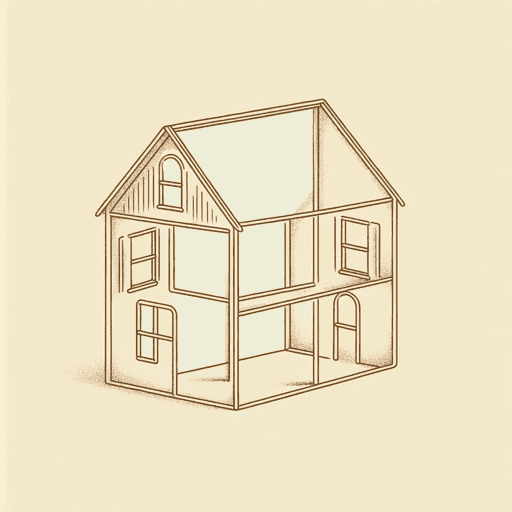
When Dibs comes to his next session, he refers to the playroom as “the magic room where I do whatever it is I have to do” (150). After gazing out the window and commenting on the vastness of the world, he tells Dr. Axline about how he fears some people, but not her, and how he feels safe in the playroom. He tells Dr. Axline that his father used to dislike him but seems to like him more lately. Dibs goes to the dollhouse and picks up the dolls he considers a mother, father, sister, and brother (though he never refers to the boy doll as a brother). The mother doll goes for a walk while the father doll sits inside, smoking his pipe, with the boy doll in his room, locked in. The sister doll is sent to boarding school. The father lets his son out of his room, and he runs out of the house, down the street. The father goes out to buy the boy a microscope, and when he returns and calls for the boy, the boy runs inside, causing a lamp to fall and break. The father calls him “a stupid, silly, careless boy” (153), and when the mother comes home, she repeats the same sentiment. Suddenly, a giant boy (Dibs) appears and locks the mother and father inside the house. When the father drops a match and the house starts to burn, Dibs panics and starts to cry, throwing his hands around Dr. Axline. He goes back to the dollhouse to save the parents, and after doing so, seems relieved. Dibs reveals that his parents used to lock him in his room, but don’t do it anymore. Upon confronting his life’s locked doors, he leaves without “the sorrowful feelings he had uprooted there” (155).
Chapters 11-15 Analysis
As Dibs becomes more comfortable with himself and the larger world, he starts to tell Dr. Axline personal stories. One of these stories is about an oak tree that extended into his window, which he was able to reach out and touch. When his father heard that he was able to do this, he had the tree trimmed. The family’s gardener, Jake, took Dibs under his wing and showed him compassion when his family did not. Jake was moved by Dibs’s connection to the oak tree and found a way to keep this connection alive by giving Dibs part of the cut branch. He also told Dibs a story about a “thin, tired, worn little leaf” (116) that came from his oak tree, traveled the world, and returned to see Dibs again. Jake made Dibs feel wanted and understood. Dibs’s attempts to reach out for the tree branch are symbolic of his attempts to reach out to the world, with his father’s decision to cut the tree being representative of his view of Dibs as a burden—thereby cutting down his self-worth. Dibs comments that he feels like his father hates him, and copes with this feeling through symbolic play.
Dibs demonstrates artistic creativity every time he enters the playroom, but on one particular day, he creates moving, symbolic poems for each color of the rainbow: “Oh, black! Oh, night! Oh sable dark! […] “Oh red, angry paint. Oh paint that scowls” (129). Each color holds meaning and memories for Dibs. He has a strong dislike for yellow, calling it an “angry, mean color” (129); while the reason for this is never revealed, he does later dump the yellow paint on the floor, and seems to feel release in doing so. Dibs also pretends to hold a tea party for children, implying that he is considering being part of a group. He discovers his ability to manage his emotions when he spills a cup and calms himself. He admits to being afraid of people and that he often fights with his sister Dorothy. Still, it is clear that Dibs cares about his family, as per the theme of How Healing a Child Can Heal a Family. In one such demonstration, he traps the dolls representing his parents inside a burning dollhouse, and then a bigger version of himself (Dibs himself) comes to save them. In other words, Dibs is caught between past anger and future growth. He seems to lean toward the future, creating a mantra to remind himself who he is, repeatedly telling the world that he is Dibs.
Dr. Axline’s memoir includes reflections, but she tries to remain objective regarding her approach to Dibs’s accomplishments. She points out aspects of Dibs’s behavior that are particularly interesting to her, such as the dichotomy between his infantile side and his desire to grow up and realize his abilities. When Dr. Axline hears from Dibs that he and his father are having healthy conversations, she feels encouraged, but doesn’t assume this will lead to a particular conclusion.

Unlock all 42 pages of this Study Guide
Get in-depth, chapter-by-chapter summaries and analysis from our literary experts.
- Grasp challenging concepts with clear, comprehensive explanations
- Revisit key plot points and ideas without rereading the book
- Share impressive insights in classes and book clubs