65 pages • 2-hour read
Dragon Rider
A modern alternative to SparkNotes and CliffsNotes, SuperSummary offers high-quality Study Guides with detailed chapter summaries and analysis of major themes, characters, and more.
Symbols & Motifs
The Rim of Heaven
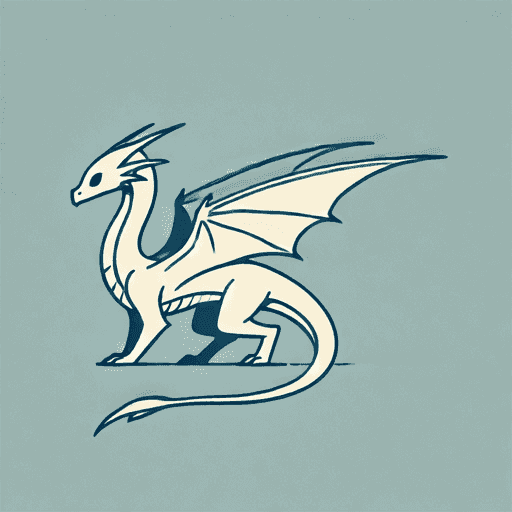
The Rim of Heaven, the mythic home of the silver dragons hidden somewhere in the Himalayas is an important symbol throughout the novel that contributes to the theme of The Need for Home and The Human Impact on Nature. The Rim of Heaven represents several things, including home and safety for the silver dragons, Firedrake in particular. Finding this home is the driving force of Firedrake’s heroic quest, motivated by his need to reconnect the dragons with their origins. Additionally, the Rim of Heaven represents a natural sanctuary, a habitat untouched by human encroachment. This is a crucial element of the dragons’ desire to return, as their current home in the Scottish Highlands is under threat from human interference.
Though the dragons and the Rim of Heaven are fantasy elements, they symbolize the real-world animals and habitats endangered and destroyed by humans. Likewise, the Rim of Heaven symbolizes the need for safe havens in nature that can be protected from human interference, allowing animals to live in their natural environments undisturbed. Lastly, despite the many characters in the novel that insist the Rim of Heaven does not exist, Firedrake and his companions steadfastly continue their journey, both out of necessity, and because the Rim of Heaven represents hope, inspiring them to persevere despite the odds against them.
Moonlight
Moonlight is a motif in the novel that corresponds with the silver dragons and contributes to the theme of preserving nature. Throughout many cultures and mythologies, the moon is associated with purity and the wildness of nature. For instance, the Greek goddess Artemis is considered the goddess of wild nature and hunting, and was also associated with the moon, particularly among the Romans who often combined the attributes of Artemis with that of the original Greek moon goddess, Selene. This combined function influenced much later mythology in Europe.
In the novel, the association between the moon and the wildness of nature is reinforced by the connection between moonlight and the dragons. In the theme of preserving nature, the dragons and their home symbolize the real-world natural habitats endangered by humans. Moonlight, which is the food and power source of dragons, is therefore also associated with these natural habitats. Silver dragons do not need to kill and eat other animals because they derive immense power directly from this moonlight. The novel also lends a sense of purity and goodness to moonlight, particularly in contrast with the evilness of the golden dragon, Nettlebrand, who does not eat moonlight and even uses his ravens to block the moonlight, thus depriving the dragons of their power. The motif of moonlight reveals the untouched purity of wilderness, the power of natural phenomena, and the goodness of the silver dragons.
Size Difference
The motif of size difference is a crucial element of the plot. From the first chapter, the narrative juxtaposes small and large elements when Rosa Graytail offers warnings to the much larger silver dragons. She is small, but her information helps the larger, more powerful dragons know that danger is approaching. The entire Graytail family epitomizes the motif of size difference. This is best seen in the character of Lola Graytail, who proves instrumental in the group’s search for the Rim of Heaven and their defeat of Nettlebrand. Her skill and bravery lead Firedrake to explicitly state that someday “the world will belong to small people” (427).
Firedrake’s quest, in fact, hinges on the help of those smaller and weaker than him, including Sorrel, Ben, the Graytails, and Twigleg. Twigleg is the best example, as he is one of the smallest creatures in the narrative and in many ways the weakest, both physically and emotionally. At his first appearance, he lacks both power and will. By the end, however, he finds his own purpose and courage and proves that his cleverness more than makes up for his small stature. All these small creatures, from Lola to Ben to Twigleg, prove the lama’s claim in Chapter 42 that “the small will defeat the great […] and the gentle will defeat the cruel” (403). This statement aligns the motif of size difference with the larger conflict of good versus evil, in which the small are primarily identified with good, and large with evil. However, the novel also acknowledges that this is not a strict dichotomy. When the group defeats Nettlebrand, he becomes a small toad, revealing that evil can also arise from something small and unassuming.

Unlock the meaning behind every key symbol & motif
See how recurring imagery, objects, and ideas shape the narrative.
- Explore how the author builds meaning through symbolism
- Understand what symbols & motifs represent in the text
- Connect recurring ideas to themes, characters, and events