Every Vow You Break: A Novel
49 pages • 1-hour read
Peter SwansonEvery Vow You Break: A Novel
A modern alternative to SparkNotes and CliffsNotes, SuperSummary offers high-quality Study Guides with detailed chapter summaries and analysis of major themes, characters, and more.
Symbols & Motifs
Content Warning: This section of the guide contains discussions of emotional and psychological abuse, physical abuse, infidelity, and gender discrimination.
Heart Pond Island
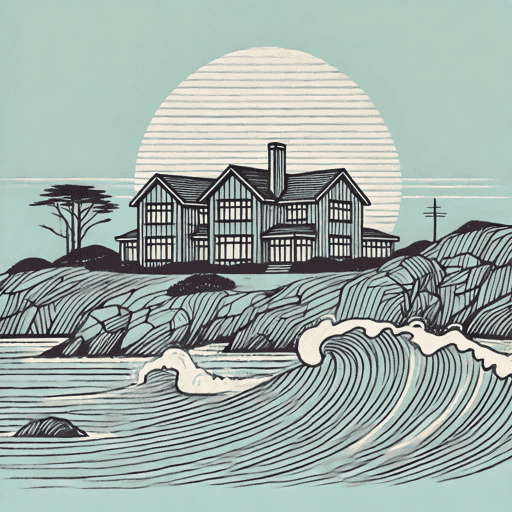
Heart Pond Island functions as the novel’s central symbol, representing a seemingly idyllic paradise that is, in fact, a tightly controlled prison. Initially presented as an exclusive, tech-free luxury resort, the island embodies the theme of The Corrupting Influence of Wealth and Male Entitlement, illustrating how immense financial power can create isolated spaces where misogyny and violence flourish without consequence. Bruce describes the resort as a “life-changing” (30) honeymoon destination, a promise that takes on a sinister meaning as the island’s true purpose is revealed. Its physical separation from the mainland, with no cell service or wireless internet, systematically strips Abigail of her connection to the outside world. This isolation is not a feature of its luxury but a component of its function as a trap. The island is a carefully constructed stage where wealthy men can enforce their patriarchal ideologies, transforming a beautiful natural landscape into a private hunting ground where women are the prey.
Cinematic and Theatrical Allusions
The motif of cinematic and theatrical allusions is woven throughout the narrative to develop the theme of The Unraveling of Performed Identities. From the outset, deception is framed as a performance. During her bachelorette weekend, Abigail and a handsome stranger adopt aliases. He suggests, “How about I make up your name and you make up mine?” (35). Because he decides to call her “Madeleine,” Abigail decides to call him “Scottie” in reference to Alfred Hitchcock’s film Vertigo, a story of obsession and fabricated identity. This initial role-playing foreshadows the larger, more sinister performances to come. Bruce Lamb’s identity as a kind, devoted husband is a meticulously crafted role designed to conceal his controlling and violent nature. The Quoddy Resort itself operates like a theatrical set, where staff and guests play their parts in a horrifying drama orchestrated by the men. This motif culminates in the cult’s ritual in the woods, where the men don masks. The masks are the final, literal props in their performance, dropping the facade of civilization to reveal the monstrous characters they truly are, turning their deadly game into a grotesque piece of theater.
The Woods and the Green Man
The woods on Heart Pond Island and the associated Green Man image serve as potent symbols of the Silvanus Cult’s perverse ideology, which twists concepts of nature to justify patriarchal violence. The clearing in Silvanus Woods (194) is not a natural space but a man-made stage, a ritualistic firepit circle where the cult performs its misogynistic trials. This space functions as their profane church, where they enact judgment on women who have “failed” their fidelity tests. The cult’s belief system is encapsulated by the Green Man ring Abigail finds in Bruce’s belongings, which depicts “a man’s face constructed of leaves” (200). This image, along with the cult’s name, invokes Silvanus, the Roman god of the woods. By associating their violence with a perverted concept of nature, the men frame their actions not as cruelty but as a righteous, elemental restoration of order, casting female autonomy as an unnatural transgression that must be violently suppressed.

Unlock the meaning behind every key symbol & motif
See how recurring imagery, objects, and ideas shape the narrative.
- Explore how the author builds meaning through symbolism
- Understand what symbols & motifs represent in the text
- Connect recurring ideas to themes, characters, and events