41 pages • 1-hour read
Evidence of the Affair
A modern alternative to SparkNotes and CliffsNotes, SuperSummary offers high-quality Study Guides with detailed chapter summaries and analysis of major themes, characters, and more.
Chapters 47-59Chapter Summaries & Analyses
Content Warning: This section of the guide includes discussion of emotional abuse and cursing.
Chapter 47 Summary: “July 19, 1977”
Carrie tells David about a strange change in Ken’s behavior. He returned from work with flowers and insisted on taking her to an expensive restaurant.
Chapter 48 Summary: “July 25, 1977”
David describes being similarly confused, as Janet is no longer sneaking out to call Ken from a payphone.
Chapter 49 Summary: “July 29, 1977”
Ken has claimed he must attend a conference in Palm Springs for several days from August 8. Carrie assumes that he is planning to meet Janet. She tells David that she misses him and suggests they could go away together once Janet confirms her forthcoming absence.
Chapter 50 Summary: “August 3, 1977”
David states that Janet has not mentioned going away, but he agrees that he and Carrie should meet if she does so.
Chapter 51 Summary: “August 6, 1977”
Carrie reveals that Ken has again surprised her with a romantic gesture. He made her dinner and reminisced about their engagement. Nevertheless, Carrie assumes that he is still planning to meet Janet, as he has confirmed he must still go to Palm Springs.
Chapter 52 Summary: “August 9, 1977”
David reveals that Janet has still not given any indication of going away on a trip. He asks Carrie if she thinks the affair is over.
Chapter 53 Summary: “August 15, 1977”
Carrie describes her surprise when, just before leaving for Palm Springs, Ken invited her to go with him. She did, and they spent romantic evenings together going to restaurants. Moved by Ken’s declared intention to book a second honeymoon in Italy, Carrie believes that her husband loves her again. She asks David if he thinks their partners have returned to them.
Chapter 54 Summary: “August 20, 1977”
David reveals how Janet voluntarily confessed her affair with Ken, asking if he could forgive her. In turn, David admitted that he knew about the affair and that he and Carrie became friends. David confesses that he kept thinking about Carrie when Janet asked if they could begin their marriage anew. However, he wants to believe that, in the future, they can be a trusting, loving family again.
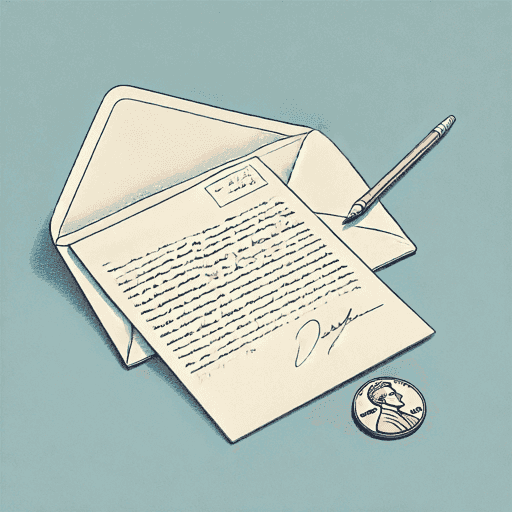
Janet said she ended her affair with Ken at the end of the Fourth of July weekend. She and Ken had agreed that they would leave their spouses. However, when Janet bought a snack in a convenience store, the pennies in the “Leave a Penny, Take a Penny” tray (77) suddenly reminded her of her husband and the joy he used to derive from finding one of the shiny coins. The memory made her realize that she wanted to recapture their marriage as it once was, rather than start a new life with Ken. Janet and Ken fought when she told him her decision.
Janet has given David the rest of Ken’s correspondence. He encloses the letters for Carrie while admitting he is not sure if she should read them. David advises Carrie not to look at them if she is happy with Ken. He ends the letter by saying that she “will be in [his] heart forever” (78).
Chapter 55 Summary: “July 6, 1977”
In the first letter from Ken to Janet that Carrie reads, he tells Janet that he refuses to believe that their relationship is over. He assures her that she means so much more to him than Carrie does and that he will gladly leave his wife.
Chapter 56 Summary: “July 13, 1977”
In another letter to Janet, Ken still refuses to believe that she wants him to stay with Carrie. Describing his “dissatisfaction” with Carrie, he urges Janet to meet him at his conference in Palm Springs.
Chapter 57 Summary: “August 10, 1977”
Ken’s next letter to Janet describes how he took Carrie to Palm Springs, but he claims he remains discontented with his marriage. He tells Janet how he wanted to have a family with her. Ken admits that he does not believe in monogamy and that he has had affairs before. However, he claims he was willing to be monogamous with Janet.
Chapter 58 Summary: “September 16, 1977”
Carrie writes to her lawyer, Mr. Rosenthal. She explains that she has enclosed the letters between her husband and Janet Mayer as “evidence of the affair” (83). She agrees to her lawyer’s proposal to take Ken for “all that he is worth” (83).
Chapter 59 Summary: “April 30, 1978”
Carrie writes to David from Boston, Massachusetts, apologizing for the delay in responding to his final letter. She reveals that two weeks after reading Ken’s letters to Janet, she informed her husband that she was leaving him over dinner at an Italian restaurant. Taking the car keys, she drove home, forcing Ken to walk. At around the same time, she was delighted to discover that she was pregnant and moved back in with her parents. A month ago, she gave birth to her daughter, Margaret. Carrie, who is about to get her real estate license, thanks David for helping her regain her freedom and for giving her the daughter she loves. She emphasizes that she has no expectations of David, but she and Margaret will be waiting if he wants to find them.
Chapters 47-59 Analysis
As the novella nears its resolution, Reid subverts expectations with a narrative twist. Instead of leaving their spouses, Janet and Ken return to their marriages after their affair ends. Carrie’s question, “Is it possible that after all we have both been through, it has ended with them coming back to us?” (74), expresses confusion and uncertainty over how she feels about this development. While she and David initially wished that their partners would return, they are not as happy as they expected to be at the prospect of resuming life as it was before. They are torn between pursuing their own blossoming connection and recommitting to their marriages.
These chapters explore marriage as a symbol of both comforting familiarity and the more frightening prospect of change. Janet’s last-minute decision to end her affair with Ken reflects her nostalgia for the connection she and David once shared. Further, despite the emotional turmoil Ken’s betrayal has caused her, Carrie continues to perceive marriage as a safe and stable institution, accepting her husband’s romantic gestures at face value. For David, the decision to reconcile with Janet is motivated by his devotion to his children rather than love for his wife. He declares: “I want nothing as much as I want to live in the same home as my sons, to see them every morning, to say goodnight to them every night, as they grow into men” (76). Despite the pain Janet’s infidelity caused him, he continues to see their marriage as a source of stability and comfort to his sons. However, David’s conflicted feelings over returning to a life with Janet are conveyed in his parting declaration to Carrie, when he tells her, “You will be in my heart forever” (78). This statement underscores how Carrie continues to dominate his thoughts and reveals that he is split between duty and desire. The characters’ ingrained association of marriage with security leads them to make “safe” choices, rather than pursuing more rewarding possibilities.
However, Carrie’s reliance on the supposed stability of marriage is shattered when she reads Ken’s final letters to Janet. She discovers that Ken has continued to deceive her, wooing her with romantic gestures while begging Janet to return to him, and this finally severs Carrie’s trust. Reid heightens the dramatic effect by initially withholding Carrie’s reaction to Ken’s letters, instead allowing her next letter, which contains instructions to her divorce lawyer, to speak for itself. Here, the association between letters and evidence, introduced at the beginning of the novella, gains new force as Carrie uses her husband’s correspondence as proof of adultery to secure an advantageous divorce settlement.
Carrie’s character arc, from powerless endurance of her husband’s infidelity to agency, culminates in her final letter to David. She declares, “It brings me pride to tell you that I left that asshole” (84), conveying her decisive embrace of dignity and self-respect. The blunt way she refers to Ken reflects a new clarity and self-assuredness. The revelation that Carrie now has a daughter and David is the father emphasizes how their relationship has been a catalyst for her empowerment, independence, and happiness. Reid highlights the radical transformation of Carrie’s perception of societal roles and identity through her joyful tone. While the prospect of becoming a single mother and returning to live with her parents would once have shamed her, she revels in her liberation from the constraints of marriage. She has always longed for motherhood, and she embraces it joyfully. Her gaining of a real estate license is a further sign of forging her own way in the world. Her transformation embodies the theme of Liberation Through Heartbreak as the pain of betrayal propelled her toward clarity and joy.
The novella’s conclusion leaves Carrie and David’s romantic future unresolved. Reid conveys a sense of possibility through Carrie’s open invitation to David to come and find her and their daughter. However, her declaration that she has no expectations of him makes it clear that her happiness and security do not depend on him. The ending focuses on Carrie’s resilience, self-respect, and ability to face the future, no matter what it holds.

Unlock all 41 pages of this Study Guide
Get in-depth, chapter-by-chapter summaries and analysis from our literary experts.
- Grasp challenging concepts with clear, comprehensive explanations
- Revisit key plot points and ideas without rereading the book
- Share impressive insights in classes and book clubs