Feathers
46 pages • 1-hour read
Jacqueline WoodsonFeathers
A modern alternative to SparkNotes and CliffsNotes, SuperSummary offers high-quality Study Guides with detailed chapter summaries and analysis of major themes, characters, and more.
Part 4Chapter Summaries & Analyses
Part 4, Chapter 17 Summary
Content Warning: This section of the guide includes discussion of racism, ableism, and bullying.
When Frannie returns home, the apartment is warm and filled with the delicious smell of frying chicken. She’s relieved to see her mother cooking, which she takes as a sign that she’s feeling better. Remembering how hurt Sean looked when the girl dismissed him because of his deafness that morning, Frannie asks her mother what happens to memories. Mama answers, “I don’t think you remember it just as it happened—but you remember the feelings you had. Good ones. And bad ones too, unfortunately” (100). When Sean comes home, he still feels discouraged, but he tries to hide his sadness behind a big smile. He asks his mother how her doctor’s appointment went, and Mama says that the tests indicate that the baby is healthy. Frannie is irritated with her brother for asking the question because she wants to enjoy the present moment without worrying about what might happen in the future.
Part 4, Chapter 18 Summary
On Tuesday morning, the news reports another draft lottery, and Mama kisses Sean’s ears. When Frannie arrives at school, the Jesus Boy tells her about the guilt he feels for talking about Trevor’s father. She reminds him that Trevor said hurtful things about him first and voices her confusion over why the Jesus Boy waited so long to stand up to the bully. The Jesus Boy explains that all of the “stuff that makes him mad and mean and ugly” leaves Trevor when he’s picking on others (103), and he hopes that Trevor might eventually rid himself of this baggage. When Trevor makes fun of Frannie and the Jesus Boy, Rayray tells him to stop. Frannie thinks that there may be something to the Jesus Boy’s theory because Trevor’s verbal barbs are fairly mild that morning. Ms. Johnson asks her students to write lists of things that they all have in common in their notebooks. Maribel, Trevor, and Rayray struggle with this writing prompt. Frannie writes, “We were all little babies one time” (106).
Part 4, Chapter 19 Summary
On Wednesday at lunch, Samantha asks Frannie why she helped Trevor when he fell. Samantha is surprised because Trevor is unkind and because Frannie rarely goes to church. Frannie tries to explain that it was simply the right thing to do. Samantha is still deeply disappointed that the Jesus Boy isn’t really Jesus and glumly observes, “Why would Jesus come here, to this side of the highway, to Price?” (108). Frannie suggests that there’s “a little bit of Jesus inside” of everyone that makes them “do stuff like help Trevor up even though he’s busy cursing [them] out” (109). Samantha doesn’t understand what Frannie is trying to say, but Frannie knows that she’s realized something meaningful.
Part 4, Chapter 20 Summary
Ms. Johnson asks her students to choose a day from their lives and write about it in as much detail as possible. The Jesus Boy raises his hand and shares, “When I was three years old, my mama and daddy brought me home and told me that they’d be my mama and daddy from that point on” (111). He doesn’t remember that day, but Ms. Johnson encourages him to imagine how he felt. The boy smiles slowly and begins to write. Frannie has so many ideas about what to write that she feels dizzy. Ms. Johnson encourages her to tell her story from the beginning, and she writes, “My brother taught me to speak […] I grew up inside his world of words” (112).
Part 4, Chapter 21 Summary
While Frannie and Samantha are walking home on Friday afternoon, the Jesus Boy hurries up to them and asks Frannie to come to the recreation center on Saturday. His usual calm is absent, and he seems nervous. He smiles when Frannie agrees to meet him at the center. After he leaves, Samantha wonders if the boy was trying to ask Frannie out. Frannie explains that he just wants a friend because he’s the new student, a feeling she remembers vividly. Samatha still wishes that the Jesus Boy were Jesus Christ, noting, “It would have meant all that believing and hoping I do all the time means something, you know” (114). Frannie agrees because she would like to ask Jesus about Lila and the baby that Mama is expecting. She says, “I just want to know that we’re all gonna be all right” (114). The girls hold hands as they walk the rest of the way home.
Part 4, Chapter 22 Summary
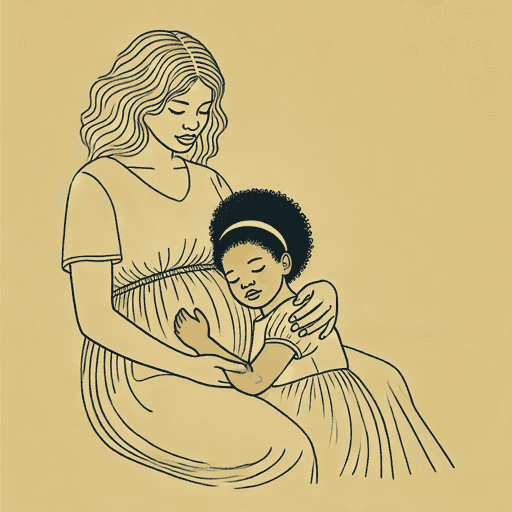
One morning, Frannie sees her mother and brother bathed in sunlight after weeks of dark, snowy weather. “Bridge Over Troubled Water” plays on the stereo. Frannie cherishes the beauty of the moment and imagines how she’ll spend the day to come. She considers going to the recreation center to watch Sean play basketball and play pinball with the Jesus Boy. She hopes that Samantha will come to “see the Jesus inside the boy inside the Jesus Boy” (116). Frannie climbs onto Mama’s lap and rests her head on her shoulder. She feels the baby kick. Sean teases Frannie, but she reminds him that she’s still the youngest in the family for now. Frannie closes her eyes and basks in the sunlight’s warmth and the song’s beauty, thinking that each moment is an opportunity for hope.
Part 4 Analysis
In Part 4, the shifts within Frannie’s sixth-grade class following the confrontation between the two boys in the novel’s climax emphasize The Impact of Perceived Racial Differences on Community Dynamics. In the wake of the fight, Trevor and the Jesus Boy’s classmates have a stronger understanding of the complex humanity they all share, which results in concrete changes within the class’s social hierarchy. For example, Rayray, who plays the role of the bully’s sidekick at the start of the book, refuses to let Trevor hit him any longer and stands up for the Jesus Boy, indicating that the new student is becoming a more accepted member of the class. At the same time, some of the Jesus Boy’s classmates continue to view his ethnicity as a mystery to solve, as demonstrated by their reaction to the revelation that he is adopted in Chapter 20. As Frannie observes, “I heard someone whisper, ‘So that’s it! He’s adopted!’ but the Jesus Boy didn’t hear. Or maybe he ignored them” (111). The scene illustrates how, although it can be hard for people to shake the habit of categorizing one another based on their perceived racial differences, this tendency doesn’t have to prevent communities from finding common ground. Likewise, the journal prompt that Ms. Johnson assigns in Chapter 18 fosters community by encouraging the students to consider all that they have in common. By the end of the novel, Frannie’s class grows closer and more inclusive.
The Search for Belonging for the Jesus Boy ends happily thanks to his growing friendship with Frannie. In Chapter 18, he tells the protagonist that he feels guilty for what he said to Trevor, showing that he values her opinion and trusts her as a confidante. In Chapter 21, the Jesus Boy takes a risk by asking Frannie to meet him at the recreation center even though he is “nervous and a little bit scared to do so” (113). His vulnerability allows them to deepen their friendship. In the final chapter, Frannie’s goals underscore the theme of belonging, as she hopes that “if Samantha shows up, maybe [they] can all three hang out together and she can start to see the Jesus inside the boy inside the Jesus Boy” (117). Frannie’s bond with the Jesus Boy becomes a vital source of belonging for the boy, shaping the novel’s overall message about the importance of friendship and acceptance.
Woodson gives the novel an open-ended resolution that emphasizes The Role of Faith and Hope in Facing Challenges. As the sixth graders adjust to the shifting dynamics in their classroom community, faith and hope provide them with the strength to persevere in the face of challenges and uncertainty. For example, the Jesus Boy’s humanity leaves Samantha with unanswered questions instead of tangible proof that her beliefs are justified—as she notes, “It would have meant all that believing and hoping I do all the time means something, you know” (114). Although Frannie also craves assurance that Mama and the baby are “gonna be all right” (114), she posits that people can draw hope and strength from the “little bit of Jesus inside” rather than wishing for divine intervention (109). In keeping with Frannie’s revelation, Woodson closes the novel by providing reasons for hope rather than giving simple, definite answers. For example, Mama doesn’t give birth by the end of the story, but the baby’s kick in Chapter 22 is an optimistic sign about their health. Woodson emphasizes Frannie’s character development by showing how her newfound faith and hope remain strong in the face of uncertainty.
The story’s symbols enhance the ending’s optimistic mood. Throughout the novel, dreary winter weather represents the challenges that make it difficult to hope. In the final chapter, Frannie and her loved ones are bathed in brilliant, beautiful sunlight that signifies the approach of spring. Woodson centers the light around Frannie’s mother, who asks, “Can you believe this sun? After all those weeks of snow?” (116). Positioning the sunshine around Mama reflects Frannie’s hopes about the health of her mother and the baby she’s expecting. The novel closes with a reference to feathers, which symbolize hope. As Frannie asserts, “Each moment, I am thinking, is a thing with feathers” (117). This encouraging sentiment underscores how Frannie has changed since the start of the novel thanks to her transformative friendship with the Jesus Boy and the reflections on faith and hope that he inspired.

Unlock all 46 pages of this Study Guide
Get in-depth, chapter-by-chapter summaries and analysis from our literary experts.
- Grasp challenging concepts with clear, comprehensive explanations
- Revisit key plot points and ideas without rereading the book
- Share impressive insights in classes and book clubs