53 pages • 1-hour read
Finally
A modern alternative to SparkNotes and CliffsNotes, SuperSummary offers high-quality Study Guides with detailed chapter summaries and analysis of major themes, characters, and more.
Symbols & Motifs
Rory’s Birthday
Like each of the first three books in the Willow Falls series, this novel centers the idea of birthdays during the tween years. This is a time of transition from childhood to adolescence—a liminal space when young people are not quite one thing and not quite another. Birthdays, which mark the process of maturing, are a natural focus for books about this age group.
Rory’s 12th birthday, in particular, symbolizes the passage from one stage of her life into another. Her parents have always postponed access to new privileges, telling her that she can do things like babysit, walk to school on her own, and get her ears pierced when she is 12. So many of these milestone activities have accumulated over the years that she is able to compile a list over 20 items long.
Rory sees her birthday as a portal into a new world where she will be more attractive, more sophisticated, and more respected by other people. The book’s title conveys her feeling that her birthday will mark an instant arrival into this new world, “Finally.” Rory’s cleaning her room and putting away her childhood mementos on the night before her birthday is a symbolic gesture that she intends to mark her arrival.
An important lesson that she has to learn related to this birthday, however, is that change is a process. Rory finally understands this, significantly, at Natalie’s birthday party, during which Amanda invites Rory to yet another birthday party. In this atmosphere—birthday after birthday after birthday—Rory sees that the transition to adulthood is ongoing rather than instant and that a birthday is only an invitation to begin a new stage of gradual change.
Kyle R.
Kyle R.—also known for a short time as “Bunny”—is the rabbit that Rory wants as a pet but who turns out to be something other than what he first appears. Rory’s shifting understanding of Kyle R.’s true nature parallels her shifting understanding of the privileges of adult life, making the rabbit a symbol of the way that adult freedoms can seem pleasurable on the surface but sometimes later turn out to be uncomfortable burdens, as befits The Expectations and Reality of Growing Up.
“Get a pet” is number 7 on Rory’s list of longed-for adult privileges (22). At first, Kyle R. seems to be perfect: “the sweetest, softest, most loving bunny in the entire world” (59). The way Rory’s parents introduce the rabbit into the household in the middle of the night, however, results in a comical moment of terror for Rory, foreshadowing the later revelation that Kyle R. is not quite as wonderful as he first seems.
In Chapter 13, Rory wakes to find the rabbit mysteriously out of his cage and sitting on her chest, making it hard for her to breathe. She eventually shrugs this off, deciding to work harder to make sure he cannot escape his cage—but despite her precautions, in Chapter 14 she wakes to find Kyle R. actually blocking her mouth so that she is suffocating. At the beginning of Chapter 15, she decides to return the rabbit, symbolically choosing to refuse one of her new adult privileges for the first time. Afterward, she realizes that not only does she not want a pet, but she also is unsure about a number of things she took for granted about finally being given more adult freedoms. From her experiences with Kyle R., Rory learns that freedoms that seem “sweet” at first can, ultimately, start to feel smothering.
Throckmorton
Rory’s teddy-bear Throckmorton symbolically represents her ties to childhood. Throckmorton was a gift from Rory’s grandfather celebrating her birth, and so the bear has always been a part of her life. When she was little, she took him everywhere with her, and his comically worn-out appearance reflects Rory’s love for him. Despite her intense attachment to Throckmorton, he is one of the “childish possessions” (13) she decides to put away on the night before her birthday. She hesitates, feeling guilty about getting rid of the cherished toy, and she has to avert her eyes as she places him in a box in her closet.
Rory’s hesitation to put Throckmorton away foreshadows her eventual realization that she is not as ready as she thought to put childhood permanently behind her. Once all of her childhood items are stowed, she realizes how empty her room looks. This blankness waiting to be filled with more adult items portrays the bedroom as a liminal, in-between space. During the narrative, Rory does not in fact replace items like Throckmorton with more adult mementos. Instead, the room stays empty, reflecting the uncertain, in-between state Rory is in.
After her botched attempt at removing the hair from her legs leaves her laid up in bed, in pain, disappointed, and embarrassed, Rory thinks for the first time about getting Throckmorton back out of the closet. Still struggling to admit that she is feeling some ambivalence about her new, more mature life, she decides at this point that “curling up with [a] teddy bear isn’t very mature for a leg-shaving 12-year-old” (193). At this point, Rory is still pushing away an important realization about The Expectations and Reality of Growing Up: that the things she assumed would affirm her newfound maturity are often uncomfortable and not right for her, especially while she is undergoing the transformation from childhood to adulthood.
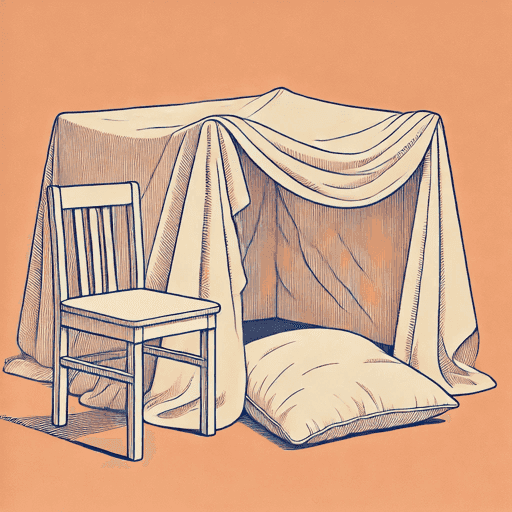
By the end of the story, Rory has come to a better understanding of herself and her relationship to the approach of adulthood. She decides that she wants to slow down and be more considered about her new freedoms, because “Things are pretty good right now, right where [she is]” (296). The narrative ends with her decision to get Throckmorton out to join her in the fort she plans to build, symbolically ending her story by re-embracing the part of herself that is still a child.

Unlock the meaning behind every key symbol & motif
See how recurring imagery, objects, and ideas shape the narrative.
- Explore how the author builds meaning through symbolism
- Understand what symbols & motifs represent in the text
- Connect recurring ideas to themes, characters, and events