Four Perfect Pebbles
45 pages • 1-hour read
Lila Perl, Marion Blumenthal LazanFour Perfect Pebbles
A modern alternative to SparkNotes and CliffsNotes, SuperSummary offers high-quality Study Guides with detailed chapter summaries and analysis of major themes, characters, and more.
Chapters 4-5Chapter Summaries & Analyses
Chapter 4 Summary: “Escape to Holland”
Content Warning: The section of the guide contains discussions of discrimination, graphic violence, and death.
Along with the Blumenthals, about 20,000 Jews sought refuge in the Netherlands, and most went to live in refugee camps. The Blumenthals lived in a refugee camp called Westerbork, where they had their own small four-room home, reasonable work hours, and the ability to be together. Ruth describes this time as “not so bad at all” (47), particularly in comparison to what was to come. Marion filled her days by attending informal classes or collecting pieces of foil to trade with her friends. When the Netherlands surrendered to Hitler, the Nazis quickly took over the country and the refugee camps. Westerbork was converted into a transit camp for Auschwitz, encased with barbed wire. Each day, thousands of Jews were taken in and out of the camps and sent on cattle cars to the deadly concentration camp in Poland.
Westerbork became more crowded by the day, and the Blumenthals knew their time was running out. They heard about a program in which Jews could apply to be “exchanged” for German prisoners with the British, who occupied Palestine. Ruth and Walter signed their family up for this program, but when the train arrived to transport them to Celle, Germany, it became immediately clear that something was wrong.
Chapter 5 Summary: “The Greatest Disappointment”
The transport cars were uncomfortable, crowded, and heavily supervised. There was the sinking feeling that the family was returning to the very country they had escaped four years ago. The Blumenthals were in fact headed to a concentration camp called Bergen-Belsen, which was originally a prisoner-of-war camp and later expanded. Marion recalls stepping off the train and being met with black SS boots and snarling dogs; she felt terrified, and that feeling remained. Marion and her family lived in the Star Camp, describing the living situation as hellish.
After three months of waiting for the exchange to Palestine, the Blumenthals did not make the list; in fact, less than 20% of those who were originally approved ended up going, while the rest remained in the camp. When Walter attempted to ask questions, he was beaten. Marion put her focus into finding her four pebbles while Ruth worked in the kitchen and occasionally managed to sneak food back to the barracks. Marion’s family often exchanged rations of food when they would meet during the day. At one point, a German soldier risked giving Albert an apple, and Albert chose to share the apple with as many people as he could. Marion describes the fear of going to the showers once a month, because prisoners knew of the gas chambers at Auschwitz and wondered when they would die. While Bergen-Belsen did not employ the gas chambers, tens of thousands of people died there. Most commonly, prisoners died of starvation, fever, or Typhus—a disease caused by the rampant lice infestation in the camp. When the crematorium could no longer keep up with the death toll, bodies were burned in open pits, and Marion will never forget the smell.
When the Allies began to gain traction in the war in the summer of 1944, and Russians closed in from the east, Germany retreated and took prisoners from Auschwitz back to Germany. The result was an influx of people to the Bergen-Belsen camp. Death became rampant, and food became a luxury. One night, Ruth managed to sneak some soup into the barracks and used some wood from the bunks to cook it, but a surprise inspection startled everyone, and the soup was knocked over onto Marion’s leg. She incurred a severe burn, which rapidly became infected. In April of 1945, the Blumenthals and many others were put into cattle cars and told they would be taken “east.” They assumed this meant they were going to Auschwitz. A few days later, the British liberated the Bergen-Belsen camp, but the Blumenthals were already on a train headed elsewhere.
Chapters 4-5 Analysis
Several core ideas run through the years leading up to the Blumenthals’ transfer to Bergen-Belsen. One of these is the illusion of safety and how quickly circumstances can shift under oppressive regimes. The Blumenthals believed that escaping to the Netherlands would protect them, only to watch as the country surrendered with little resistance, demonstrating the fragility of perceived security in a world of prejudice. Additionally, the lack of interference or significant resistance from major countries who were taken over by the Nazis somewhat enabled the Nazis. The first country that Hitler invaded was Czechoslovakia, and he did so without any resistance at all from other nations. This sent the message that he was clear to continue expanding, and war was not officially declared until Hitler’s forces invaded Poland in 1939. The Blumenthals attempted to leave Germany in search of safety from persecution, but the Nazis invaded Holland, and the refugee camp they called home was converted into a transit camp for Auschwitz. By this time, most people knew people were murdered (usually in gas chambers) at Auschwitz, and it became a constantly nagging threat in their minds.
This steady erosion of safe havens mirrors the narrative’s sense of growing tension and inevitability, as every effort to escape leads to a worsening situation. The memoir’s structure reflects this escalation, with each new setting bringing harsher conditions and more imminent dangers. By chronicling these successive losses of security, Marion not only personalizes the broader history of the Holocaust but also reinforces the theme of Surviving in a World of Prejudice, illustrating how persecution tightened around Jewish families like hers regardless of where they fled.
The Blumenthals’ Hope and Resilience in the Face of Adversity is strongly demonstrated by their response to living at Westerbork. For the first year, they considered it better than tolerable and always looked on the positive side of their situation: “The camp was located on a desolate and windswept moor, bitterly cold in winter and plagued with heat, flies, and sandstorms in summer. But it offered a home of sorts for Holland’s Jewish refugees” (47). They kept busy with work and informal schooling and were able to live together. The ability to be together was something they had thus far taken for granted because they had not yet experienced being forcibly separated at Bergen-Belsen. The contrast between these two experiences illustrates how, even in dire circumstances, hope is relative—what once seemed like hardship later feels like a gift when compared to the horrors that followed. Looking back, both Marion and Ruth are grateful for the few privileges they had at Westerbork, highlighting Family as the Foundation for Survival. The Blumenthals experienced disappointments one after another during this time, but they held onto one another and the possibility of a safe haven.
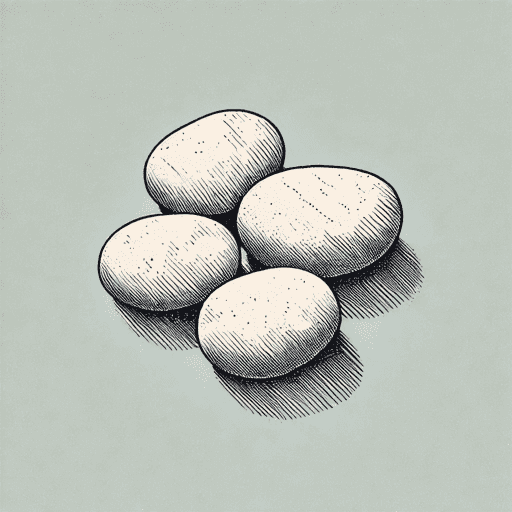
When the Blumenthals were transferred to Bergen-Belsen, they knew that something was wrong but still maintained the idea that they would be leaving for Palestine soon. This moment highlights dramatic irony, a literary device where the audience understands the reality of a situation before the characters do. Readers, knowing the historical outcome, recognize the false hope in the Blumenthals’ belief that they were on an exchange list rather than bound for a concentration camp. This hope, despite being false in the end, kept them going through the most difficult time of their lives. The Blumenthals were also kept alive by their efforts to look out for one another and maintain their family unit despite being separated, starving, and often ill. It was at Bergen-Belsen that Marion collected her pebbles, a task which kept her motivated and allowed her to hold onto hope. This act of collecting pebbles is an example of symbolism—a literary device where an object represents a larger idea. For Marion, the pebbles symbolized survival and control in an environment where she was otherwise powerless.
In describing the horrors of the concentration camp, Marion’s and Ruth’s memories fall back on sensory experiences like the smells, sounds, and sights around them. This use of imagery immerses the reader in the experience, making the atrocities feel immediate and inescapable. There were always people dying of “starvation, exhaustion, disease” (66), and it was impossible to ignore how thin they had become. Throughout the Holocaust, the Blumenthals experienced several instances of good luck (such as Walter’s disposing of the gun right before the house raid), but also instances in which luck was not in their favor. One such instance occurred when they were put on the death train days before the British forces liberated their camp. This extended their Holocaust experience by two extra weeks, underscoring the randomness of survival. However, it also meant that they were liberated in a place where they could more easily find food and shelter—fate continually shifting between cruelty and mercy.

Unlock all 45 pages of this Study Guide
Get in-depth, chapter-by-chapter summaries and analysis from our literary experts.
- Grasp challenging concepts with clear, comprehensive explanations
- Revisit key plot points and ideas without rereading the book
- Share impressive insights in classes and book clubs