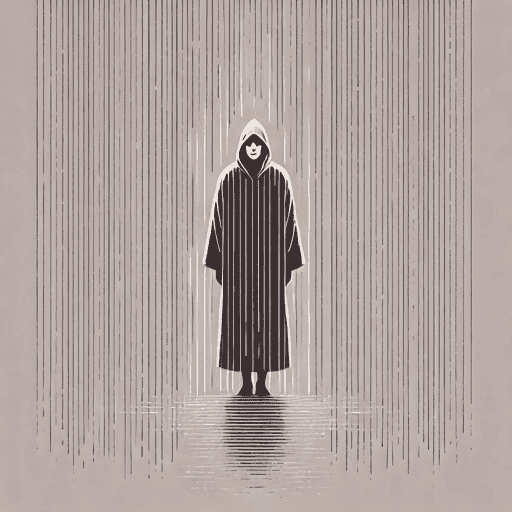
Glass Houses
62 pages • 2-hour read
Louise PennyGlass Houses
A modern alternative to SparkNotes and CliffsNotes, SuperSummary offers high-quality Study Guides with detailed chapter summaries and analysis of major themes, characters, and more.
Book Club Questions
Content Warning: This section of the guide contains discussion of substance use, addiction, graphic violence, mental illness, and illness or death.
General Impressions
Gather initial thoughts and broad opinions about the book.
1. The novel is structured with a dual timeline, jumping between the murder trial in July and the events in Three Pines the previous November. How did this narrative choice affect your reading experience and your perception of Gamache’s actions?
2. For those of you who have read other books in the Armand Gamache series (for instance, 2005’s Still Life), how does Glass Houses compare? In what ways does Gamache’s new role as chief superintendent change the dynamics of the storytelling and his approach to solving a crime?
3. What was your initial reaction to the image of the cobrador? Did you see it as a villain, a victim, or something else entirely?
Personal Reflection and Connection
Encourage readers to connect the book’s themes and characters with their personal experiences.
1. The idea that we all carry moral burdens is central to the story. Without sharing anything too personal, can you think of a time when your own conscience felt like a “pretty harsh judge” (1), as Gamache describes his?
2. Gamache makes the difficult choice to operate outside the law to achieve what he sees as a greater good, risking his career and reputation. Have you ever been in a situation where rules conflicted with what you felt was right? How did you handle it?
3. Do you agree with Ruth Zardo that a strong moral conviction can sometimes lead people to do terrible things? Where do you think the line is between acting on conscience and enacting personal vengeance?
4. Jacqueline Marcoux’s grief over her brother’s death festers for 15 years before erupting into a plot for revenge. Have you ever witnessed grief play a similarly corrosive role in someone’s life? What factors do you think contributed?
Societal and Cultural Context
Examine the book’s relevance to societal issues, historical events, or cultural themes.
1. The novel’s plot is rooted in the real-world opioid crisis, specifically mentioning the devastating impact of fentanyl. How did the book’s portrayal of the drug trade and its catastrophic human cost shape your understanding of this ongoing public health issue?
2. Gamache justifies his plan by referencing the terrible calculus of sacrificing some lives now to save more later. How does this dilemma reflect real-world ethical debates in areas like public policy or medical triage?
Literary Analysis
Dive into the book’s structure, characters, themes, and symbolism.
1. How does Penny use the contrasting settings of the idyllic, wintry village of Three Pines and the sweltering, claustrophobic Montréal courtroom? How do these settings reflect the characters’ internal states and the novel’s central conflict between private morality and public justice?
2. The title, Glass Houses, alludes to vulnerability and hidden flaws. In what ways do different characters, such as Katie Evans or Gamache himself, live in “glass houses”? How does this symbol apply to the community of Three Pines as a whole?
3. What is the significance of the “burn our ships” motif in Gamache’s character development? How does this idea of a point of no return capture the personal and professional risks he takes?
4. Gamache draws a parallel between the university friends’ dynamic and William Golding’s novel Lord of the Flies. How does this literary allusion help you understand the group’s descent from shared grief into a conspiracy that ends in murder?
5. The final scene finds Gamache reading the story of Pinocchio to the comatose Isabelle Lacoste. Why do you think Penny chose to end the book with this particular allusion? What does it say about the novel’s ultimate message on conscience and what it means to be human?
Creative Engagement
Encourage imaginative and creative connections to the book.
1. The narrative primarily follows Gamache’s perspective, but the story of the cobrador plot is told through confessions. Imagine you are Lea Roux writing in a journal on the night before Katie Evans is killed. What would she write about her feelings of guilt, her motivations for participating, and her fears about the plan?
2. What do you imagine happens after the final page? Does Gamache’s “higher court” of conscience absolve him legally, or will he face serious consequences for his actions?
3. Clara’s final paintings reveal hidden truths in the eyes of her subjects. If she were to paint a portrait of the cobrador, what hidden image or reflection might she paint in its masked eyes to capture its true essence?

Unlock all 62 pages of this Study Guide
Get in-depth, chapter-by-chapter summaries and analysis from our literary experts.
- Grasp challenging concepts with clear, comprehensive explanations
- Revisit key plot points and ideas without rereading the book
- Share impressive insights in classes and book clubs