God Grew Tired of Us
God Grew Tired of Us
A modern alternative to SparkNotes and CliffsNotes, SuperSummary offers high-quality Study Guides with detailed chapter summaries and analysis of major themes, characters, and more.
Summaries & Analyses
Quizzes
NEWReading Tools
Introduction-Chapter 1
Introduction Summary
The narrator recalls the night the djellabas, the Arab army, arrived in the middle of the night in Duk Payuel, his home village: He is sleeping in a large tent with a group of other children when he suddenly hears gunfire. He escapes and runs to the forest. A man he assumes is his father pulls him to the ground so they can hide together in the brush. After the gunfire fades, Dau takes “stock of [his] situation” (6): He is 13, naked, with no food or water. His village is in ruins, and he’s separated from his mother and siblings (6). As daylight emerges, he realizes that the man sitting next to him isn’t his father.
The narrator admits that his story is “like those of tens of thousands of boys who lost their homes, their families, and in many cases their lives in a civil war between north and south that raged in Sudan from 1983 to 2005” (7). However, he wants to use his education and experiences in America to tell his story and hopefully improve lives in Africa.
Chapter 1 Summary
Dau gives a brief history of Sudan and describes the dynamics of his family and culture. Sudan is the biggest country in Africa, with “ten million residents divided among 572 tribes speaking 114 languages” (15). Despite the vast diversity, there are two main religious groups: the Muslim majority in the north and the Christian minority in the south. When Dau is born, the “Addis Ababa Agreement ushered in 11 years of peace” (16). The agreement essentially stated that although the northern Muslim government had determined Islam would be the official religion, Christians in the south could still practice their own faith.
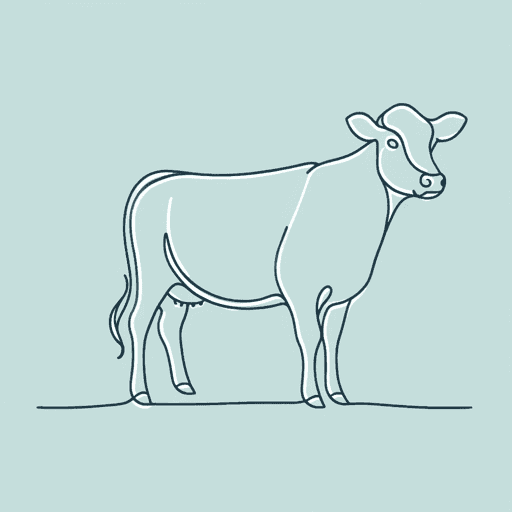
Dau grows up in Duk Payuel, a region with extreme heat and long rainy seasons. Duk Payuel is connected to neighboring regions by dirt paths and crocodile-infested waters; the region’s main source of currency, wealth, and sustenance are cows. Dau sums up the importance of cows for his culture, the Dinka, when he says that “cows mean life” (20).
Dau’s father, Deng Leek, has four wives and “18 children, which is not unusual for a successful and respected Dinka man” (21). He is also a judge and makes his decisions based on the traditional Dinka laws that have been passed down from previous generations. Dau’s mother, like all women in the village, cooks food for the family. Dau’s mother and father hold traditional, gender-specific roles. Dau’s family are Christians, although they used to worship other gods before missionaries brought Christianity to their village.
Dau recalls a time helping the men clear trees for hunting. While cutting down a tree, a splinter flies into his eye and ruins his sight. He also talks about cattle camp, which is when, at the end of the rainy season, the cows are taken to an area away from the village that has water and lush grass. The young men from the village stay with the cows in this camp, guarding and looking after them. Dau never attends formal school because that is only for Muslim children in the north, but he learns the ways of his people from the elders.
Dau’s childhood is ideal, but there are signs that trouble is nearing: News spreads from other regions indicating that war is coming. Dau reflects, “we accepted this decision and the logic behind it, because we knew our fate had been written in the Bible. Our war had been prophesied thousands of years ago” (35).
Introduction-Chapter 1 Analysis
In the Introduction Dau describes the night that the djellebas, or the Muslim army, raided his village. At this point, civil war had broken out in pockets of Sudan after the Muslim government declared Sharia law throughout the country, an act that essentially ended the Addis Ababa peace agreement. With most of Southern Sudan being comprised of Christians, the Sudan People’s Liberation Army (SPLA) rose to combat the violent threat to their freedom. On the night that Dau’s village was raided by the djellebas, the Muslim army had been attacking southern villages, killing the men and boys and abducting and raping the women and girls. Although the SPLA fought against these attacks, they had strongholds in certain strategic areas. This left many people, like Dau and his family, vulnerable to the heavily armed djellabas.
In Chapter 1 Dau details his young life in Duk Payuel and the culture of his people, the Dinka. The Dinka are a group of people living in South Sudan. Although they are divided throughout the region, each group with its own unique dialect and customs, they remain united as a people, especially against opponents. They are considered pastoralists, which means they are cattle farmers, and their lives revolve around their cattle. During the rainy season the cattle live beside them in the village, but during the dry season the cattle are housed in a wet, lush area for grazing. Although Dau and his family, and many other Dinka, are Christians, some worship the spirits of their ancestors. Whether Christian or of a different religious tradition, worship is an important part of life for the Dinka; this desire for autonomy and freedom of religion was a defining factor in the Sudanese civil war, when the Islamic government tried to enforce Sharia law on the Dinka and the rest of South Sudan.

Get in-depth, chapter-by-chapter summaries and analysis from our literary experts.
- Grasp challenging concepts with clear, comprehensive explanations
- Revisit key plot points and ideas without rereading the book
- Share impressive insights in classes and book clubs