57 pages • 1-hour read
Hands
A modern alternative to SparkNotes and CliffsNotes, SuperSummary offers high-quality Study Guides with detailed chapter summaries and analysis of major themes, characters, and more.
Themes
Content Warning: This section of the guide includes discussion of physical abuse and emotional abuse.
Redefining Strength Beyond Physical Violence
Traditionally, the cultural construct of masculinity has often been exhibited through physical displays of strength, including violence. This societal expectation can impact the way young boys view their role in the world. In Hands, Maldonado contrasts the effects of physical aggression with quieter, more positive forms of strength; this approach is designed to encourage younger readers to embrace more constructive forms of problem-solving.
As Trevor struggles to sort through various conflicting ideas about masculinity, he must come to terms with the negative examples that he has inherited from his stepfather. Specifically, Trevor’s stepfather equates strength with dominance, and before he was incarcerated, his abusive behavior toward the family passed these ideas on to Trevor. For example, the man made the callous claim that Trevor’s mother “raised him soft” (6), and he expected Trevor to toughen up by learning how to box. To make matters worse, he placed an adult level of responsibility on the young boy’s shoulders when he made Trevor promise to protect his sisters with his fists. This moment caused Trevor to believe that in order to protect his family, he must emulate the violent behavior of the man he despises. Trevor is further conflicted because he feels that he must also protect his family from his stepfather, the very person who has taught him these lessons.
Notably, Trevor trains by picturing his stepfather’s face when he prepares to strike a target, and while these scenes convey his frustration with this stepfather, they also suggest that he is learning to channel his fear and anger into an unhealthily aggressive version of masculinity. However, Maldonado counters this trend by introducing several male role models who teach Trevor other ways to be strong. For example, just as Uncle Frankie offers a steady haven at his garage, Uncle Larry engages in wise philosophical conversations that sharpen Trevor’s thinking, and Uncle Puff uses his neighborhood influence to take care of Trevor’s family. Collectively, these men show Trevor a form of strength that has no need to harm those it seeks to shelter. Larry, in particular, helps Trevor reconsider the concept of strength, using figures such as Nipsey Hussle and characters from Star Wars to challenge societal expectations around the best ways to show strength.
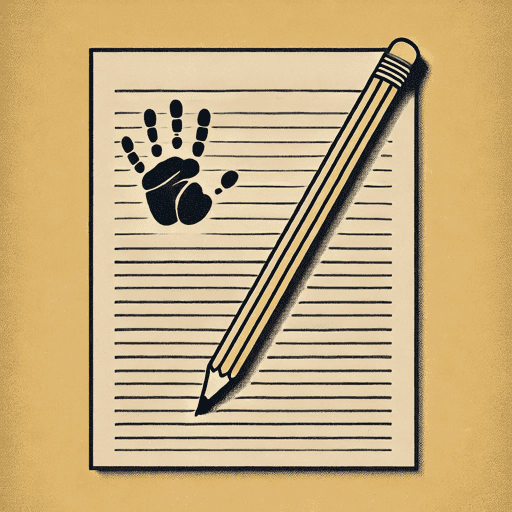
In the end, the novel’s examination of the contrast between supportive and destructive strength is most vividly portrayed in the various thoughts that Trevor has about his hands and their best uses. He knows that his hands have the skill to either throw punches or create art, but he must choose which action has more long-term value. When Jess presses him to draw again, her encouragement helps him see that his artistic talent is a much more effective form of power than boxing could ever be. Thus, when he chooses to sit and draw with Little Cole, Trevor rejects his stepfather’s legacy and embraces a gentler, more creative identity as he helps the younger generation make a similar choice.
The Importance of Accepting Community Support
A strong, supportive community plays a significant role in a person’s development and well-being. In Hands, Trevor begins his journey believing that he must face all his challenges independently, but he eventually realizes that with the support of the people around him, he has a much better chance of making sense of the world and adopting healthier coping mechanisms for his problems. One of the most difficult lessons he learns is that reliance on community is a vital source of growth and hope, not a weakness.
To outline the struggles inherent in Trevor’s journey, Maldonado builds a portrait of the surrounding community, emphasizing the many mentors who wish to guide a boy who believes he stands alone. Trevor begins the novel feeling isolated by his conviction that he must use violence to protect his family from his stepfather. He feels cut off from any support, a feeling that is only worsened by Uncle Frankie’s initial refusal to get involved in the family’s troubles. When Trevor notices the school banner that reads, “IT TAKES A VILLAGE TO RAISE A CHILD,” he scoffs and says, “There is no ‘us,’ ‘we,’ or ‘village’” (61), and from his contemptuous response, it is clear that his sense of isolation has caused him to discount the many sources of support that surround him.
As the story unfolds, the people in Trevor’s life contradict his cynical belief through their small but steady supportive actions. Most notably, Trevor’s “uncles” form the center of the proverbial “village” that is steadily helping to raise the protagonist and make up for the absence of a positive male role model in the family. For example, Frankie offers Trevor practical help and gives him a safe haven by unconditionally welcoming him to his garage. Similarly, Uncle Puff makes it a point to offer his help with anyone who may be bothering Trevor, even though the boy declines to explain the full details of his dilemma. Finally, Uncle Larry uses books and movies to help Trevor make sense of his fear and grief. The men’s benevolent influence counteracts the damage that Trevor’s stepfather has done to the family, empowering Trevor to find a more positive way forward.
Other adults widen this network, broadening the boy’s philosophical horizons, and a key character in this dynamic is Quick, the boxing trainer, who keeps a promise to Trevor’s deceased uncle, Lou, by refusing to teach Trevor how to fight. Quick’s refusal becomes its own kind of protection because it prevents Trevor from repeating his stepfather’s abusive behavior patterns. On the scholastic side, Ms. Clark adds another layer of support when she recognizes and encourages Trevor’s “promise” and invites him to speak honestly about his fears and issues. Finally, Trevor’s mother and sister Jess praise Trevor’s artwork and encourage him to focus on cultivating strength through more creative and construction means.
Trevor’s growth toward accepting this help is complicated when his “village” sometimes fails to support him in the most effective ways. This dynamic becomes clear with Frankie’s initial reluctance to get involved in Trevor’s mother and stepfather’s abusive relationship. Yet this moment of disillusionment is eventually mended when Frankie apologizes and pledges his support, saying, “Trev, I’ll have your back—your mom’s and sisters’ too. We’ll figure it out together” (134). This turnaround shows that even a strong community sometimes requires self-reflection in order to improve. Through these flawed but strong relationships, Maldonado shows how a metaphorical village can help a boy even when he struggles to see it.
Breaking the Cycles of Trauma and Abuse
The theme of breaking the cycles of trauma and abuse explores the idea that pain can be passed from one generation to the next, but Maldonado also acknowledges that this grim inheritance can be disrupted when people confront the harmful patterns of the past and make conscious choices to act differently. In Hands, much of Trevor’s mindset and emotional anguish is shaped by his past suffering at the hands of his stepfather, and he struggles to come to terms with the dynamics of fear and violence that he has inherited from his family history and from the gang-related conflict in the local community. As Trevor’s positive mentors encourage him to rise above these issues, the novel emphasizes the protagonist’s resilience and self-awareness, as well as his courage to transform suffering into healing.
Maldonado uses a series of clashing promises to show how loyalty can either trap a child in violence or help them move beyond it. The plot itself is fueled by pledges that pull Trevor in opposite directions. Just as his stepfather has told him to protect his sisters with his fists, Trevor also believes that he has an obligation to protect his family from his stepfather’s fists. Haunted by his stepfather’s threat from the police car—“I’ll get you back!” (5), Trevor doggedly develops his physical strength as part of a desperate bid to protect himself from the violence implicit in his stepfather’s words. These two promises tie family loyalty to aggression and make Trevor feel as though he must emulate the same violent behavior that he so despises in his stepfather.
Maldonado places other promises alongside these destructive ones. For example, Quick holds fast to a vow made to Trevor’s uncle Lou years ago when he refuses to train Trevor, reasoning that he and others swore to “make sure [Trevor] sticks with school” and avoids a path shaped by violence (48). Similarly, when Ms. Clark tells Trevor that good promises should not wound anyone, including himself, he reexamines his own promise to shield his mother from his stepfather’s abuse. Ms. Clark’s guidance helps Trevor realize that attacking his stepfather would break the spirit of his vow because this course of action would ultimately cause more problems for his family. By the end of the novel, Trevor sifts through these competing loyalties and chooses to dedicate himself to a positive, nonviolent approach.
In many ways, Trevor’s inner shifts can be marked by the dynamics of his mentorship of Little Cole. The eager boy reminds Trevor of his younger self, and their shared passion for art and drawing motivates Trevor to protect Cole. However, the boy also emulates Trevor’s actions uncritically, absorbing negative lessons alongside positive ones. A pivotal moment occurs when Cole expresses admiration for Trevor, who has just punched the window. Hearing the younger boy’s words, Trevor suddenly sees his own actions in a new light and realizes that he does not want to influence Cole into glorifying violence. Trevor reflects in quiet horror, “I can’t believe he’s admiring me for breaking that window—something I don’t want props for” (129). Acting immediately upon his realization, Trevor reflects on the more positive lessons from his uncles and his mother and offers to teach Cole some drawing techniques. Significantly, as the two draw together, Trevor considers his new awareness of the “real power” of the moment, and his determination to steer Cole away from violence reflects his focus on finding constructive ways of Breaking the Cycles of Trauma and Abuse.

Unlock every key theme and why it matters
Get in-depth breakdowns of the book’s main ideas and how they connect and evolve.
- Explore how themes develop throughout the text
- Connect themes to characters, events, and symbols
- Support essays and discussions with thematic evidence