65 pages • 2-hour read
Happy Land
A modern alternative to SparkNotes and CliffsNotes, SuperSummary offers high-quality Study Guides with detailed chapter summaries and analysis of major themes, characters, and more.
Part 3, Chapter 35-EpilogueChapter Summaries & Analyses
Content Warning: This section of the guide includes discussion of racism, illness, and death.
Part 3, Chapter 35 Summary: “Luella”
Over the next three weeks, Luella waits for Wade’s trial. She visits him almost every day. When Robert and Luella tell the council about their deal, they are angry that they were not allowed to vote on it. They insist that Robert and Luella pay Weaver themselves, causing Luella to worry that two years might not be enough time.
At the trial, the prosecution calls three witnesses—the witness who saw Wade, the dead farmer’s wife, and the doctor, who describes the farmer’s death. When Weaver cross-examines, he asks the farmer’s wife if the bulls ever got out by accident before, and she admits that they do.
When it is Weaver’s turn to call witnesses, Robert expresses his annoyance that the girl that Wade was with is not there. They tried to get her to testify, but her parents insisted that they didn’t want her caught up in everything, especially since she was with a boy from the kingdom.
Weaver calls Wade to the stand. He tells the jury that he was with a girl in Saluda that night. When he is asked the name, he refuses to say it, even after the judge tries to make him do so. Weaver then calls William to the stand, who testifies to Wade’s behavior and honesty.
The jury then deliberates, but they do not do so for long. They return a guilty verdict, and Wade is sentenced to two years in prison.
Part 3, Chapter 36 Summary: “Luella”
In November 1894, the council meets for the last time. Weaver forced them to leave their homes, wanting to rent them while he holds the deed. Despite this, Robert is optimistic, as Weaver already set a fair price to buy the land back. Luella blames herself for the breakup of the kingdom, but the others simply seem “resigned” to the fact that their community has come to an end.
As Luella leaves for the final time, she looks over the land, thinking how much “power” it has. She is hopeful that, just when Wade is done with his sentence, they will pay off the land and be able to return home again.
Part 3, Chapter 37 Summary: “Nikki”
The next day, the four women go to the courthouse for the hearing. R.J. meets them there, introducing herself to the others. She explains that the plan is to request a pause on the eviction, given Mother Rita’s health. When Mama asks about discussing the history of the land, wondering if they will have to bring up the kingdom, Nikki realizes that Mama doesn’t believe in the kingdom. She realizes that, somewhere along the way, her family lost its sense of “wonder.”
When Mother Rita realizes that R.J. doesn’t want to talk about the kingdom, it starts an argument among them. R.J. tells them that they need to focus on the eviction notice so that Nikki has time to draw up paperwork to buy the land.
When Mama and Nikki are alone, she asks Nikki how she plans to buy the property. Nikki admits that she was hoping Mama would take out a second mortgage on her home. To her surprise, Mama admits that she did so years ago without telling Nikki. Nikki is shocked and hurt by the revelation, but before she can ask more questions, R.J. tells them it’s time for the hearing.
Part 3, Chapter 38 Summary: “Luella”
Luella, Robert, and William move into Sunny and Vernon’s home. Luella and Robert live in the cabin on their land. They rekindle their relationship. At the same time, Robert and William begin to heal their relationship.
Luella plants a garden, then sells the flowers in town for money. Robert begins repairing shoes. They also hear news from the kingdom, where Weaver has built a store and run electricity into the hills.
As Wade’s release date nears, Luella starts to get nervous that something will go wrong. Sunny receives a letter from him, excitedly revealing that he is coming home six months early.
Part 3, Chapter 39 Summary: “Luella”
When Wade returns, Luella notices small changes about him. He is taller and older, but he also has a scar under his eye, his hands shake often, and he wakes up each morning before everyone else. She worries about what he went through, thinking what it was like on the plantation before the war.
As the date gets closer to buy back the land, Luella insists that they go see Weaver. Robert initially argues, telling her that they should meet with the council first, as their meeting is just a couple weeks away. However, after Luella continues to plead with him, he agrees.
Part 3, Chapter 40 Summary: “Nikki”
The next morning, Nikki, Mama, and Mother Rita work in the garden together. Mother Rita was given 75 days to move off the property, and Nikki feels a sense of finality as they will soon have to start moving. Nikki and Mama sit alone together and talk about the kingdom. Nikki is bothered by the fact that her mother didn’t believe it and didn’t share the story with her. She insists that, had she known the truth about her ancestry, she would’ve been motivated to do more and care more about her past and her future.
Mother Rita joins them and tells Mama that she needs to tell Nikki the truth. Mama admits that, eight years before, Mother Rita asked her for help paying the taxes on the property. Mama refused, which caused the county to go to the Thomas brothers about the taxes—it’s how they learned that they still owned the property. Mother Rita expresses her annoyance at Mama’s unwillingness to help or care about their land.
Part 3, Chapter 41 Summary: “Luella”
When Luella and Robert go to Weaver, they are devastated to learn that he has increased the price of the land. He is insistent that he helped them with Wade and that things have changed; he needs to care for his family and needs the money from renting the property. He gives them more time to pay, but Luella and Robert know that he will just raise the price again when they return.
Outside, Luella and Robert discuss what to do. Robert wants to ask Widow Davis’s son for the money, while Luella wants to use the money they have to buy 50 acres.
Part 3, Chapter 42 Summary: “Nikki”
Mama and Shawnie return to DC, leaving Nikki to stay with Mother Rita and help her pack. They spend their time together talking about the kingdom as Nikki tries to learn everything she can about it. She also sells the house she was working on back home, giving her the freedom to stay with Mother Rita until she moves.
One afternoon, Nikki gets a call from R.J. She tells Nikki that she had a realization about Mother Rita’s land. In North Carolina, land has what’s called an “adverse possession” law (333). It states that if someone is living on land for over 20 years consecutively, while caring for it and making improvements on it, they have a right to claim ownership. She is hopeful that they can convince the judge that Mother Rita can make this claim, given the fact that the Thomas brothers’ father died 20 years ago.
Part 3, Chapter 43 Summary: “Nikki”
Two months later, Nikki and R.J. go before the judge and present their case. Nikki goes to the hearing with Bryan, who grabs her hand in support. She realizes that she has started to feel something for him. He asks her what she will do if she wins the case. She says that she can’t leave her life in DC, but R.J. insists that it might be exactly what she needs.
In the end, the judge sides with Mother Rita. Although she does not get all the land, she gets the four acres that include her home, garden, and graveyard.
Back at home, Nikki finds Mother Rita in the garden. She gives her the news. She asks if Mother Rita is happy with the outcome, but Mother Rita turns the question around and asks Nikki if she is happy. Nikki realizes, “stunned,” that “all of this, all along, was for” her (339).
Part 3, Chapter 44 Summary: “Luella”
Luella and Richard decide to buy back the 50 acres. By Christmas, they are back in their home. Luella is delighted that Vernon and Sunny decide to move to the kingdom as well, as do a handful of other kingdomfolk. Richard opens a shoe shop, while Luella continues to sell flowers in town.
Sunny has a child, which she names William. Luella can see how happy it makes both William and Robert, as their relationship has finally healed. She notes how she loves them both for who they are and what they give to her.
Luella often walks the property. She remembers the smells and sounds of the kingdom, as well as the people who lived there. She thinks of how she hopes all of her future ancestors will know that they did their best to “give them something like home” (342).
Part 3, Epilogue Summary: “Nikki”
The following spring, Nikki plans a gathering for the descendants of the kingdom. There are 85 people who gather, as Nikki tells them the history of the kingdom and Bryan gives a presentation about Black genealogy.
After Shawnie learned that Lily was a teacher, she decided to enroll in college to become a teacher as well. Mother Rita passed away just after Christmas.
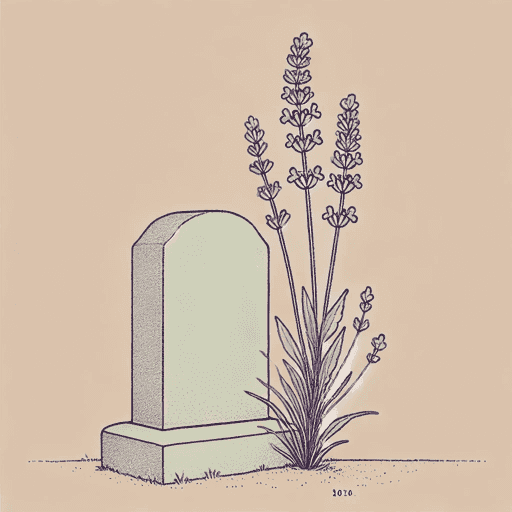
Nikki and Mama walk together down to the graveyard. They place markers in the dirt, where Mother Rita instructed them to. They are waiting for headstones to get delivered to create a true cemetery.
Nikki asks Mama if it is true that Mother Rita named her. Mama takes her to a hill, where they look out over a valley filled with lavender. She explains that the flower’s true name is “Veronica.”
As Nikki looks out at the field, she thinks of her ancestors who worked there, creating their future. She promises herself that she will continue to learn about her family, read more books, and plant more flowers, walking in her ancestors’ footsteps and becoming the great-great-great-granddaughter that Queen Luella imagined.
Part 3, Chapter 35-Epilogue Analysis
Before the trial, the conflict between Mama and Mother Rita escalates, with the Kingdom of the Happy Land at its center, invoking The Battle Against Historical Erasure. Specifically, Mother Rita insists that she needs to tell her story about the kingdom in the court, while Mama continues not to believe in its existence. This moment highlights the differences between the two women: To Mother Rita, getting her land back is important, but so, too, is making it clear that she has a historical claim to the land due to her history there—a history that has largely been ignored.
By contrast, Mama has a more complicated relationship with the land. Mama felt as though she needed to leave at the age of 18 to start her own life. While Mother Rita understands this, she struggles with Mama’s lack of understanding of her own ancestry and, more importantly, her disbelief of the existence of the Kingdom of the Happy Land. Although they do not manage to solve their dispute, they reconcile, choosing their relationship and their love for each other over their feud. As a result, they come together to support Mother Rita in the fight for her land.
As has been hinted at throughout the text, it becomes clear in the final section that Mother Rita’s plan all along was to help Nikki understand the importance of her heritage, reinforcing The Importance of Collective History to the Self. After Nikki tells her grandmother the results of the trial, Mother Rita responds by asking if Nikki is “happy,” making Nikki realize that “all of this, all along, was for” her (339). While Mother Rita feels connected to her ancestral land, she also knows that she is at the end of her life, meaning that the results of the trial will have little impact over her once she is gone. However, she facilitates Nikki’s change throughout the text, leading her to discover the history of her family, the value of her ancestry, and the fight to keep her ancestral land. Nikki’s story ends on a note of hope, as she is adamant that she is going to continue to value the things she learned from Mother Rita and build a life she can be happy with, finally escaping the mundanity of her real estate career in Washington, DC.
Just as Perkins-Valdez has done throughout the text, the two timelines and the shifting perspective inform each other, culminating in two different stories that reach similar resolutions for The Politics of Land Ownership. With R.J.’s help, Nikki is able to secure four acres of land for Mother Rita and, after she passes, Nikki herself. Although she loses the other 46 acres, Nikki is happy to keep the land that holds their home, garden, and graveyard. Similarly, Luella loses the bulk of her land to Weaver when he changes the price, but she is still able to buy the 50 acres that hold the most value for her and reestablish part of the kingdom’s community.
These similar resolutions emphasize the interconnectedness of the past and present: While both women are satisfied with the outcomes, they are both also largely defeated by the system and lose a large portion of the land. Despite the fact that the stories take place 150 years apart and things have greatly improved for Nikki and other women of color, they continue to battle the unjust legal system that works to oppress them.
Nevertheless, Luella’s story also ends on a hopeful note. After Wade gets out of prison and she is able to buy back part of her land, she returns to the kingdom to live out the rest of her life. She finds resolution in the conflict between William and Robert, as their relationship finally begins to heal. Central to Luella’s character arc is the way that she subverts typical expectations: She became the ruler of the kingdom, became a Black landowner, and gained power in a time when Black people—especially Black women—had little. Her marriage and relationships reflect this atypical characteristic, as she finds happiness with both William and Robert throughout her life in different ways. Instead of being forced to choose one husband, she receives comfort and love from both, subverting the stereotypical view of marriage as well.

Unlock all 65 pages of this Study Guide
Get in-depth, chapter-by-chapter summaries and analysis from our literary experts.
- Grasp challenging concepts with clear, comprehensive explanations
- Revisit key plot points and ideas without rereading the book
- Share impressive insights in classes and book clubs