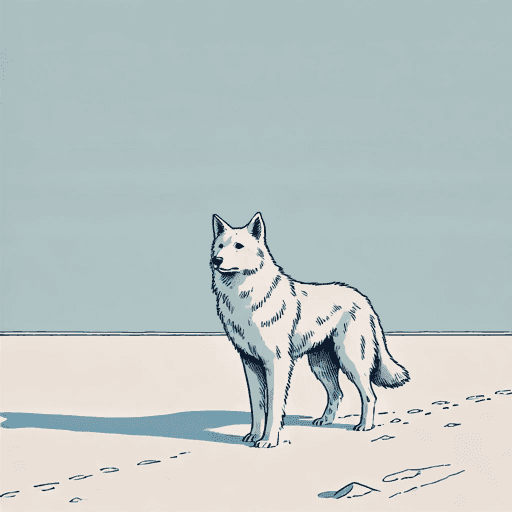
Heart of a Dog
44 pages • 1-hour read
Mikhail BulgakovHeart of a Dog
A modern alternative to SparkNotes and CliffsNotes, SuperSummary offers high-quality Study Guides with detailed chapter summaries and analysis of major themes, characters, and more.
Book Brief
123
Novel • Fiction
•
Science Fiction•
Russian LiteratureMoscow, Russia • 1920s
•
Coming of Age•
Animals1925
Adult
18+ years

Super Short Summary
In Mikhail Bulgakov's novel Heart of a Dog, a stray dog named Sharik in 1924 Moscow is transformed into a primitive human being after a surgeon implants human organs into him. The surgeon and his assistant attempt to teach the being, now called Sharikov, but he causes chaos, eventually ending in a debilitating conflict between Sharikov and his creators. The novel contains instances of animal cruelty and physical assault.
Mysterious
Dark
Humorous
Fantastical
Suspenseful
Reviews & Readership
63,246 ratings
Loved it
Mixed feelings
Not a fan

Review Roundup
Bulgakov's Heart of a Dog is praised for its sharp satire and rich prose, capturing the absurdities of Soviet society through a unique genre blend. Critics highlight its humor and poignant social commentary as strengths. However, some view its allegorical elements as heavy-handed, potentially alienating those unfamiliar with early Soviet history. Overall, it's a compelling, if occasionally dense, read.

Who Should Read Heart of a Dog?
Heart of a Dog by Mikhail Bulgakov will appeal to readers who enjoy satirical science fiction and political allegory, similar to George Orwell's Animal Farm or Aldous Huxley's Brave New World. Ideal for those fascinated by dystopian narratives criticizing totalitarian regimes, blending humor with profound social commentary.
63,246 ratings
Loved it
Mixed feelings
Not a fan
A distinguished medical researcher with a passion for transformative science, who performs an experimental procedure to turn a dog into a human. His character blends scientific ambition with skepticism about societal reforms.
An assistant to Professor Philipovich and a figure of loyalty and rationality who becomes embroiled in the complexities of Sharik's transformation. He navigates the tension between scientific ethics and personal loyalty.
Shvonder is the leader of the House Committee, which symbolizes the bureaucratic absurdity of the Soviet government. They antagonize the professor and support Sharikov in navigating his new human rights within the communal living space.
123
Novel • Fiction
•
Science Fiction•
Russian LiteratureMoscow, Russia • 1920s
•
Coming of Age•
Animals1925
Adult
18+ years
Continue your reading experience
Subscribe now to unlock the rest of this Study Guide plus our full library, which features expert-written summaries and analyses of 10,300+ additional titles.