65 pages • 2-hour read
Heft
A modern alternative to SparkNotes and CliffsNotes, SuperSummary offers high-quality Study Guides with detailed chapter summaries and analysis of major themes, characters, and more.
Symbols & Motifs
Content Warning: This section of the guide references substance use, disordered eating, mental illness, illness or death, parental neglect, emotional abuse, and death by suicide.
Arthur’s House
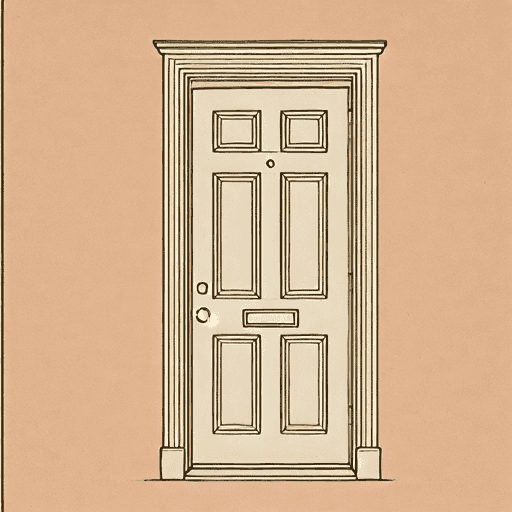
Arthur’s inherited brownstone provides a symbol of his physical and psychological confinement, foregrounding the novel’s thematic focus on The Inheritance of Pain and the Struggle for Self-Definition. The house was not a place he chose but one that was “bestowed upon” him (13), much like the inherited pain from his parents that has contributed to his isolation. The brownstone’s state of decay directly mirrors Arthur’s emotional and physical decline, a prison of his own making that also represents the burdensome weight of his childhood trauma. Early in the novel, Arthur admits, “Now I fear I have allowed it to fall into a sort of haunted disrepair” (14). This description extends beyond the house’s disorder and decline to his own body and spirit, which he has similarly neglected.
As Arthur remains trapped on the first floor, unable to climb the stairs, the house becomes a tangible representation of his agoraphobia and obesity, physically manifesting the limits his loneliness and shame have placed upon him. The house is both his sanctuary from a world he fears will judge him and the very thing that enables his self-destruction—a private stage for the feasts that both comfort and insulate him from the world.
Baseball
Baseball functions as the central symbol of hope, escape, and self-definition for Kel. Within his chaotic and lonely home life, where he serves as the reluctant caretaker for his mother, baseball offers a separate reality governed by rules, merit, and potential. It is the one area where he feels control and possesses a clear identity, a talent that “glows inside [him] like a secret jewel” (96). This symbolic weight underscores the novel’s thematic interest in The Weight of Loneliness and the Human Need for Connection.
Kel’s athletic prowess is the one thing that gives him hope and a sense of possibility in his life. It makes him part of a team and earns him the admiration of his peers. Baseball also serves as a link to the paternal legacy he craves with his absent father. He laments that “Baseball is the loneliest sport to play for someone who does not have a father” (108), highlighting baseball as both a constant reminder of that void and his primary means of attempting to fill it. His dream of playing professionally represents his only perceived path to creating a future free from the failures of his parents.
Letters and Photographs
The recurring motif of letters and photographs is the novel’s primary device for exploring The Discrepancy Between Internal Realities and External Appearances. These artifacts represent the characters’ attempts to forge connections while simultaneously hiding their painful truths behind carefully curated—and sometimes wholly fabricated—narratives. For two decades, Arthur’s relationship with Charlene has existed almost entirely through correspondence in which he projects the life of a respected, sociable academic to hide his reclusive reality. Moore opens her novel with Arthur’s unsent, written confession, in which he admits, “In my letters to you these two decades I have been untruthful by omission” (13). In Arthur’s life, the motif represents a flawed form of intimacy, one that sustains his loneliness as much as it alleviates it.
Charlene, in turn, uses this motif to drive the plot and manipulate reality. Delivered through the recurring motif of a letter, Charlene’s posthumous confession provides the novel’s pivotal revelation—an attempt to reshape her son’s future by rewriting his past. By naming Arthur as his father, she tries to replace Kel’s legacy of abandonment with a new, more hopeful paternal narrative: “Now Kel I have to tell you something hard that I should tell you a long time ago. Your dad isn’t who you think he is. […] your dad is man named Arthur Opp” (215-16). Charlene also sends Arthur a photograph of Kel that presents him as a promising athlete, omitting the poverty and neglect that define his life. Using this motif, Moore illustrates how characters use indirect communication to construct alternate realities in their struggle for connection and a more palatable truth.

Unlock the meaning behind every key symbol & motif
See how recurring imagery, objects, and ideas shape the narrative.
- Explore how the author builds meaning through symbolism
- Understand what symbols & motifs represent in the text
- Connect recurring ideas to themes, characters, and events