54 pages • 1-hour read
High Tide in Tucson
A modern alternative to SparkNotes and CliffsNotes, SuperSummary offers high-quality Study Guides with detailed chapter summaries and analysis of major themes, characters, and more.
Literary Devices
Metaphor and Simile
Kingsolver uses metaphor extensively throughout High Tide in Tucson, primarily in her discussions surrounding humans’ place in nature. She often constructs metaphors that show the reader parallels between human and animal life, as well as to paint compelling pictures of individual natural scenes.
Some of Kingsolver’s metaphors add elements of the sublime to her descriptions of nature. Passages such as, “At dawn the sun broke over the cliffs and parted the pink mantle of clouds, reaching down like a torch to light the tops of red cinder cones in the crater, one at a time” (203), help convey the ethereal beauty of Hawaii by comparing the dawn to an almost Promethean or Olympic torch—a symbol of hope, mystical power, and awe. Other metaphors puncture the self-serious behavior of humans with humorous juxtaposition. When she compares the flexing gym bros to prairie chickens at a lek in “The Muscle Mystique,” she paints a vivid and funny picture of both scenes, two types of male creatures displaying their physical attributes to announce their superior masculinity.
Ironic Juxtaposition
Kingsolver reaches ironic conclusions several times in the book, especially in essays that reflect her deeply held opinions about the environment and politics. Often, irony is used in contexts that aim to show how ridiculous certain concepts are. In “Jabberwocky,” Kingsolver points out that Americans know little about the outside world not because they do not like to discuss violence and thus ignore the presence of dictators, but because they are too busy thinking about distracting tabloid fodder like O. J. Simpson. The irony of this conclusion shows that Americans are not inherently against violence, they simply don’t want to think about complex issues or venture outside a prescribed political box.
Synecdoche
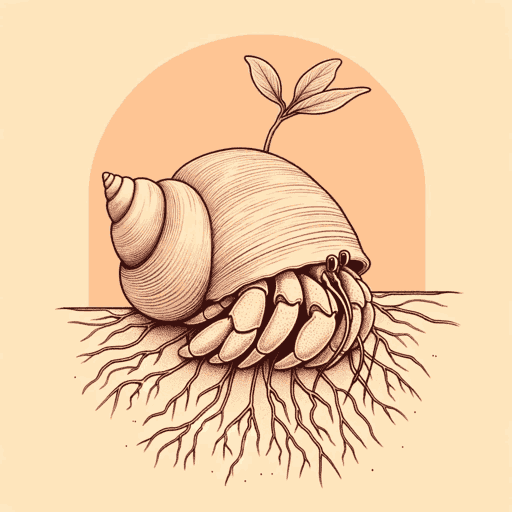
Synecdoche, or using a small part of something to represent the whole, is present in nearly every story in High Tide in Tucson. Usually, Kingsolver’s initial anecdotes introduce an element from her personal life or a salient example that then becomes the vehicle by which Kingsolver can discuss larger, more complex topics. For example, a pair of trendy go-go boots stands in for the fashion industry, peer pressure to adopt mainstream tastes, and middle school ennui. Buster the crab reflects all animals’ ability to adapt to their circumstances. Finally, the Titan missile (and its enthusiastic tour guide) becomes one glaring instance of the outlandish excess of the American military establishment.

Unlock all 54 pages of this Study Guide
Get in-depth, chapter-by-chapter summaries and analysis from our literary experts.
- Grasp challenging concepts with clear, comprehensive explanations
- Revisit key plot points and ideas without rereading the book
- Share impressive insights in classes and book clubs