Hitler's Daughter
41 pages • 1-hour read
Jackie FrenchHitler's Daughter
A modern alternative to SparkNotes and CliffsNotes, SuperSummary offers high-quality Study Guides with detailed chapter summaries and analysis of major themes, characters, and more.
Symbols & Motifs
The Nazi Regime
Content Warning: This section of the guide includes discussion of religious discrimination, antisemitism, graphic violence, emotional abuse, and racism.
In Hitler’s Daughter, the Nazi regime is a motif that supports The Importance of Questioning. The narrative depicts the Nazi regime as a system whose aim was to create a “perfect” Aryan race, valuing conformity and targeting anyone who did not fit the ideal. Heidi, the protagonist, was born with a red birthmark and a limp, traits that were considered worthy of rejection by Nazis. Her existence is in direct contrast with the regime’s ideals, which is why she often feels like she hardly exists at all. Characters like Frau Mundt and Frau Leib represent the influence of Nazi ideology on everyday people, with Frau Mundt sharing a story about Hitler’s rise to power and explaining how the German people were vulnerable to his manipulation due to the economic crisis following World War I. Heidi is taught that Jewish people are “different” and “deserve” their fate, but she demonstrates The Importance of Questioning by refusing to just accept what she is told as fact. The setting, where most adults do not question Hitler’s authority, emphasizes her as someone different from the rest. Learning about the Nazi regime is also the source of Awakening to the Horrors of the World that both Mark and Heidi go through.
Good Versus Evil
The dichotomy of good versus evil is central to Hitler’s Daughter. The motif is shown through Mark’s exploration of the nature of morality and thematically develops Awakening to the Horrors of the World. Initially, Mark’s perception of Hitler as a distant historical figure is challenged as he learns about the atrocities committed during the Holocaust and also learns that genocide still happens today. Mark has to think about Hitler from a different perspective and force himself to imagine that someone seen as evil could ever love someone. Anna challenges him to think about his parents and how he could ever be certain that they would never commit any major harm.
Mark tries talking to several people about his thoughts, but conversations with adults bring him no clear answers, illustrating the indifference that people often feel toward these issues and how complex they can be to sort through. Both Mark and Anna go through an internal process of reckoning, as they realize that they each share a relationship with the past that cannot be undone. Mark figures out that his farm may exist on land stolen from Indigenous people, and Anna comes to grips with knowing she is related to Hitler. This process of awakening to the world’s horrors changes Mark and helps Anna heal. The story demonstrates that understanding right and wrong is not always easy and often requires critical thinking, reflection, and questioning.
Cows and Rain
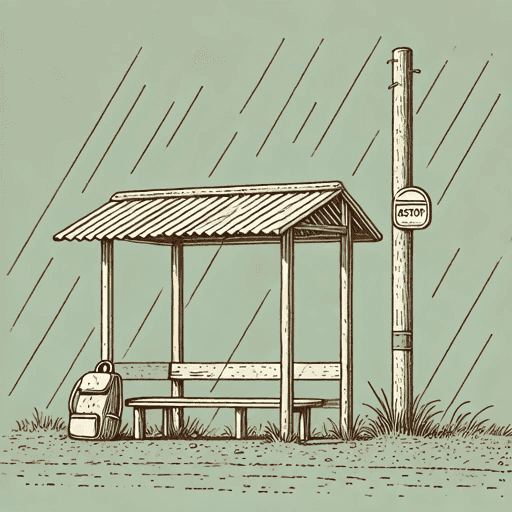
The recurring motif of cows in Hitler’s Daughter symbolizes innocence and the stark contrast between rural life and the reality of war. Hearing Anna’s story propels Mark through a journey of Awakening to the Horrors of the World, and it all occurs at a bus shelter next to a cow field. The image of “mournful” cows sitting in the rain communicates a sense of sadness and helplessness, mirroring the emotional tone of the story that Anna tells. Mark’s observation that “there was nothing in the world quite as sad-looking as wet cows” foreshadows the sadness he will feel upon learning about the violence the Nazis inflicted on Jewish people and other targeted groups (1). The setting of Dirty Butter Creek (which both describes the color of the creek and creates a subtle association with the cows who live there), with its muddy waters, showcases moral ambiguity and the impending changes that Mark will go through. Rain plays a key role in setting the tone and reflecting Mark’s inner turmoil as he comes to grips with the harsh realities of the world: “The rain pounded on the roof of the bus shelter like it couldn’t wait to get down from the sky. One of the cows moaned softly, a sad, wet complaint about life in general” (56). The rain is an ever-present and personified force, meaning it takes on human emotions and mirrors the characters’ struggles. The continuous rain throughout the narrative shows that change is inevitable.

Unlock the meaning behind every key symbol & motif
See how recurring imagery, objects, and ideas shape the narrative.
- Explore how the author builds meaning through symbolism
- Understand what symbols & motifs represent in the text
- Connect recurring ideas to themes, characters, and events