Home of the American Circus
57 pages • 1-hour read
Allison LarkinHome of the American Circus
A modern alternative to SparkNotes and CliffsNotes, SuperSummary offers high-quality Study Guides with detailed chapter summaries and analysis of major themes, characters, and more.
Symbols & Motifs
Content Warning: This section includes discussion of emotional abuse, sexual assault, and bullying.
Bet the Elephant
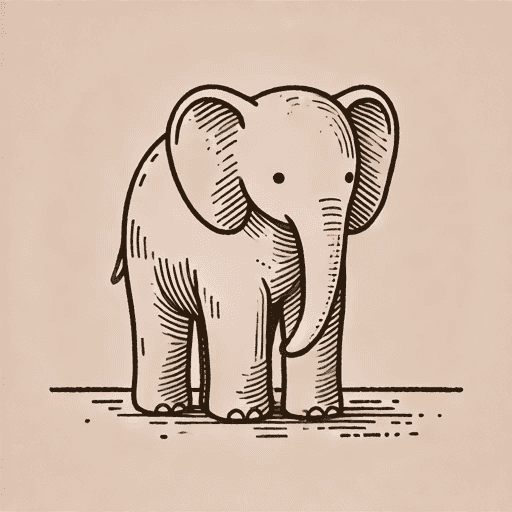
Bet the circus elephant serves initially as a symbol of the town of Somers, NY, its mascot and claim to fame. The statue of Bet in the town square outside of the Elephant Hotel are both identifiable markers of the real-life counterpart to the book’s setting. They are also a representation of the town’s pride in being home to a man who contributed to the evolution of the American circus.
Over the course of the book, Bet’s plight as a captive elephant provides a symbol for Freya’s sense of being trapped in her circumstances. As a child, Freya felt that keeping an elephant in captivity was a crime, and she still feels compelled to apologize to Old Bet every time she encounters the statue. Bet’s exploitation mirrors Freya’s vulnerable position in relationship to those who have authority over her life, as exemplified in the confrontation with her history professor, who chides Freya for writing a report on Bet that shows sympathy for the elephant and questions the right of a fame-seeking man to victimize other living creatures for his own advantage. Her research on the conflicting narratives about Bet mirrors the ways Freya’s narrative about Charlie’s assault isn’t believed, with her family taking Charlie’s side instead of Freya’s. Jam’s failed attempt to retrieve the statue for Freya reinforces the link between the two, suggesting he feels some reparations could be made to Freya for the abuse she suffered if Jam manages to steal the statue of Old Bet from its position of reverence and display.
The House
Step’s house, which Freya inherits, initially symbolizes for her the painful events of her youth that she left town to forget. Her first view when she returns reflects the sense of displacement and lack of belonging: She sees the house and “the little valley it lives in, sandwiched between granite slopes, surrounded by trees. A Cape Cod-style summer cottage with extra parts built after the fact, so from some angles it’s quaint, and from others it looks like a building that has lost the point of itself” (21). When she draws closer, she sees the signs of neglect, mirroring her own psyche: “Sumac trees have grown through the spaces between the stepping stones, breaking them loose. I feel like I’m trekking through a jungle” (43).
When she shows Lee, the realtor, the house, Freya tries “not to feel like I’m showing him a reflection of myself” (290), so strongly has she come to identify with the place. Her efforts at repairing the house parallel her efforts to come to terms with the emotional wounds of her past. Keeping her great-grandfather’s woodworking tools, Freya uses them to carve her parents’ furniture and, in that way, provides a therapeutic release for her feelings and exerts a sense of control over her memories and emotions. Getting rid of her parents’ belongings, with Bee’s help, is a way for Freya to release herself from her grip on the past.
For all that it provides shelter, however, Freya knows this house isn’t her home, and in the end it becomes an inheritance she wants to leave behind. The house’s destruction at the end symbolizes how Freya is finally free of the wounds of her childhood and has found a sense of solidity, maturity, and control over her own life.
The Deer Fence
The deer fence Step built around the house begins as one of many symbols of Step’s inefficacy as a person, which extends to his lack of skills as a parent. Thinking he would build a fence to keep deer away from the property, Step instead found, due to the slope of the hill, that what he “actually built was a deep trap. They’d jump in but couldn’t get out” (21). This reflects how Freya felt she was trapped in that house and unable to leave or be free of her mother’s emotional abuse and Step’s emotional neglect. The trapped deer that Freya chases out of the fence during the course of the book represent her own longing for freedom, which she hasn’t yet decided how to attain.
At the end of the book, one of the last things Freya does before she leaves is cut away a section of the fence so deer coming down the hill won’t be trapped around the house anymore. This severance represents how Freya has set herself free of the burdens of the past and has ended the cycles of emotional and sexual abuse to which she, and then Aubrey, were subject.
The Appalachian Trail
The Appalachian Trail is a hiking path that stretches over 2,000 miles, running through the Appalachian Mountains along the eastern United States from Georgia to Maine. Much of the trail runs through rugged terrain, and hiking all of the 2,190 miles typically takes between five to seven months, making the trip a challenging physical experience.
For both Step and Aubrey, the Trail symbolizes escape from a situation of emotional abuse, a way to cultivate strength and gain a semblance of control over their own destiny. As a significant undertaking, hiking the trail also represents a spiritual challenge, as Aubrey relates in describing how each person who attempts the trail hikes their own hike. Aubrey tells Freya, “I thought maybe if I knew what my hike was, they [the bullies] couldn’t hurt me anymore” (261).
While Step’s preparations for the trail initially reinforce the way Freya felt abandoned and let down by her timid father, Step’s notebook, which records the places Charlie used banned materials in his developments, becomes the device by which Freya can finally free Aubrey and herself from Steena and Charlie’s control. Like Vili’s woodworking tools, Step’s camping gear is a part of his legacy that Freya benefits from, an inheritance she can use. By the end, the Appalachian Trail offers the physical distance from Somers that Freya and Aubrey both need to separate themselves from the emotional wounds they suffered and feel confident in their own resilience, strength, and optimism for the future.

Unlock the meaning behind every key symbol & motif
See how recurring imagery, objects, and ideas shape the narrative.
- Explore how the author builds meaning through symbolism
- Understand what symbols & motifs represent in the text
- Connect recurring ideas to themes, characters, and events