Honestly Elliott
A modern alternative to SparkNotes and CliffsNotes, SuperSummary offers high-quality Study Guides with detailed chapter summaries and analysis of major themes, characters, and more.
Summaries & Analyses
Quizzes
NEWReading Tools
Symbols & Motifs
Griffin Connor
Griffin Connor is a muti-faceted motif in the novel. He is an allusion to Gordon Ramsey, the real-world British chef known for his aggressive television persona. Elliott narrates, “Some people think Griffin Connor is obnoxious—Mom can’t stand the way he calls people Muffinheads and throws muffins at them […]. She doesn’t understand that it’s only because he wants everyone to do their best” (13). In the beginning of the text, Elliott idolizes Griffin Connor, taking his assertions seriously and rejecting baking and recipes, but as Elliott’s character arc progresses, his views start to shift. He ends with a solid respect for Griffin Connor but with the ability to judge for himself—“I still think he is a genius, but I’ve decided that recipes can be a good thing” (252).
Griffin Connor is a father figure in Elliott’s life. His extreme criticism resembles Mark’s frequent nagging, but unlike with Mark, Elliott can relate to Griffin Connor through cooking. The chef fills gaps in Elliott’s life, serving as a role model and teaching Elliott how to cook. However, as Elliott forms new connections with Maribel and Kunal and as his relationship with Mark grows stronger, he starts to lose his worshipping mindset and assume a more independent position.
Nina’s and Mark’s Houses
After the divorce, Mark kept the family’s large suburban house, and when Kate moved in, she started redecorating the house in a stiff, modern style. She redecorated Elliott’s room to feature sailboats, but Elliott dislikes the change, partly because he dislikes the ocean and partly because he resents that his room no longer feels like it represents who he is. As a result, the house doesn’t feel like home anymore. The house also mirrors Elliott’s fear of being replaced by Jonah, like how Mark replaced Nina with Kate, and they replaced the old decorations with new styles.
Nina’s house is juxtaposed with Mark and Kate’s. Nina and Elliott moved to the center of Avery to an older house with a lot of character. They decorate their house with items of personal significance and plants, giving it a warm, comfortable quality that makes Elliott feel at home. Nina’s house symbolizes the tight-knit relationship between Nina and Elliott. The house is a safe space for him, just as Nina is consistently supportive, providing Elliott with a sense of security as he navigates his coming-of-age journey.
Names
Elliott’s first and middle names serve symbolic purposes in the text. When Mark says Elliott’s name while upset, his tone and the individual syllables become symbols of his disappointment and their strained relationship: “El. You made a mess—again. Li. You broke a rule—again. Ott. You let me down—again” (23). However, as their relationship heals, Mark sheds his disappointed tone, and Elliott interprets the sound of his name in a different way. Mark and Kate use Elliott as Jonah’s middle name, and the name becomes a symbol of love and of the connection between Elliott and Jonah.
Similarly, Quigley, Elliott and Mark’s shared middle name, is a symbol of their relationship. Quigley is a family name and has been traditionally passed down as the middle name of the first born son in the Saywer line. For part of the time, the name is the only connection Elliott feels to his father—“it feels like the only thing in the entire universe that Dad and I have in common” (27). Quigley remains a symbol of the connection between Mark and Elliott, reinforcing the idea that Elliott cannot be replaced.
Tear Tank
Elliott refers to his urge to cry as his Tear Tank. He is resentful and embarrassed at his quick cry response and narrates, “Whoever handed out Tear Tanks must have given me an extra small one. Whenever something bad happens, it’s just a matter of time before it overflows” (24). In this way, Elliott’s Tear Tank becomes a motif representing his emotional overwhelm.
The Tear Tank motif contributes to The Power of Friendship and Mutual Support, since Elliott learns that crying with others and sharing his feelings makes it easier to process his emotions. The conversation with Mark in which Elliott identifies and names one of his feelings marks the beginning of the transition of Elliott’s perception of crying, which is further progressed by Elliott sharing his thoughts, feelings, and experiences with Maribel and Dr. Gilmore. He experiences less overwhelm when he shares his emotions, and he learns that crying can be a positive experience when he cries with Mark and Kate in the hospital room.
Desperation Pies
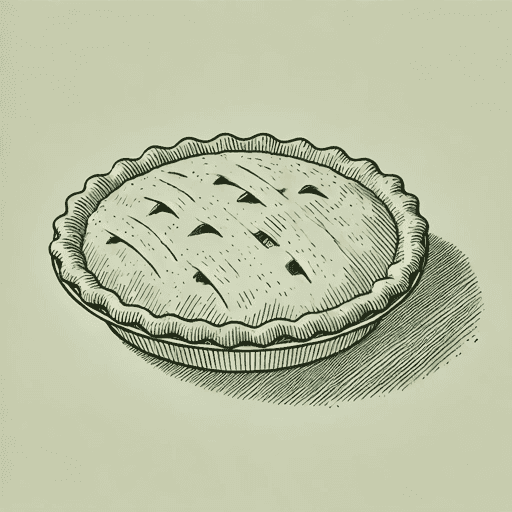
Desperation pies, which are pies that use affordable staple ingredients, were popular during the Great Depression era. Elliott and Maribel learn about them while looking at cookbooks in the community center, and they decide to use one that calls for apple cider vinegar for their business project. The pies are successful, and they sell out.
The desperation pies are a symbol of the book’s predominating moral lesson that it is better to make the best of what you have. As Elliott narrates, “[T]here’s something to be said for taking what you have and making the best of it” (253).

Unlock the meaning behind every key symbol & motif
See how recurring imagery, objects, and ideas shape the narrative.
- Explore how the author builds meaning through symbolism
- Understand what symbols & motifs represent in the text
- Connect recurring ideas to themes, characters, and events