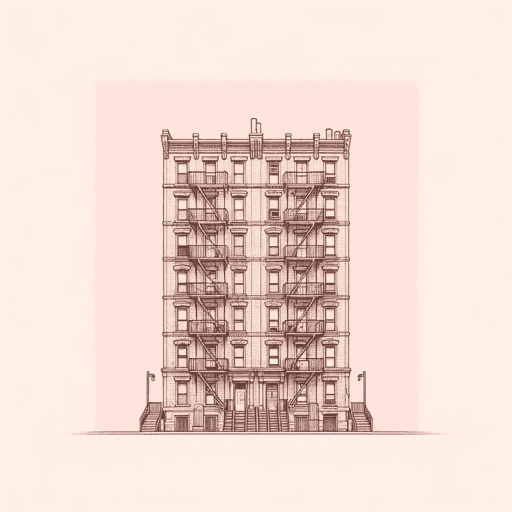
How the Other Half Lives
47 pages • 1-hour read
Jacob RiisHow the Other Half Lives
A modern alternative to SparkNotes and CliffsNotes, SuperSummary offers high-quality Study Guides with detailed chapter summaries and analysis of major themes, characters, and more.
Summary
Background
Chapter Summaries & Analyses
Key Figures
Themes
Index of Terms
Important Quotes
Essay Topics
Tools
Essay Topics
Where does Riis place blame for New York City’s tenement problem, and why?
How does Riis use images, especially photographs, to build his case for tenement reform? How do you think these photographs might have been received by the 19th-century audiences and readers who first viewed them?
Riis often relies on “racial” generalizations common to the era in which he lived. Why did Riis believe that these generalizations supported his argument for tenement reform? How might those same generalizations in fact undermine his argument?
According to Riis, how does the physical space of the tenements, both inside the building and out, perpetuate poverty and degradation?
Beginning in Chapter 4, Riis takes the reader on a virtual tour of New York City’s poorest tenement neighborhoods. Why do you think he takes this approach? What impressions, general or specific, does this tour make on the reader?
With what degree of empathy does Riis treat the tenants he encounters? Use examples from the text to support your discussion.
How does Riis describe the plight of children in the tenements?
How does Riis distinguish between those who are unemployed and ask for money and those he calls “honestly poor”? Why do you think he makes this distinction?
Of all the conditions wrought by tenement life, which does Riis regard as most harmful and why?
What does Riis view as the solution to the tenement problem?

Unlock all 47 pages of this Study Guide
Get in-depth, chapter-by-chapter summaries and analysis from our literary experts.
- Grasp challenging concepts with clear, comprehensive explanations
- Revisit key plot points and ideas without rereading the book
- Share impressive insights in classes and book clubs