Ingram: A Novel
54 pages • 1-hour read
Louis C.K.Ingram: A Novel
A modern alternative to SparkNotes and CliffsNotes, SuperSummary offers high-quality Study Guides with detailed chapter summaries and analysis of major themes, characters, and more.
Symbols & Motifs
Content Warning: This section of the guide includes discussion of child death, illness, and death.
The Gray Creature
The gray creature is a recurring symbol of Ingram’s repressed trauma and the emotional death he suffered after his brother, Albert’s, death and his father’s subsequent accusation. This surreal figure, which first appears in a fever dream, represents the cold, inhuman part of Ingram that was born from guilt and abandonment. It embodies the core theme of trauma’s power to shape identity, functioning as the physical manifestation of the psychic wound Ingram spends the novel fleeing. The creature is an active, parasitic presence that threatens to consume Ingram’s humanity, rather than a static memory. It appears during moments of extreme vulnerability, such as illness or psychological distress, reminding him of the past’s persistent claim on his soul.
In Ingram’s dream, the gray creature’s nature is made terrifyingly clear: “he would always and forever be up against my side, draining away the heat of my body—and that in the end, I’d be cold and gray and dead” (42). This description articulates Ingram’s deepest fear: not just of dying, but of becoming emotionally dead, incapable of human warmth and connection. The creature’s coldness mirrors the emotional numbness that characterizes Ingram’s early journey. His path toward maturity is contingent on confronting this internal horror. Only after he forces a confession from his father and reclaims the memory of Albert does the gray creature vanish from his mind, signaling that by integrating his past, Ingram has finally vanquished the source of his trauma and can begin to live as a whole person.
Trucks
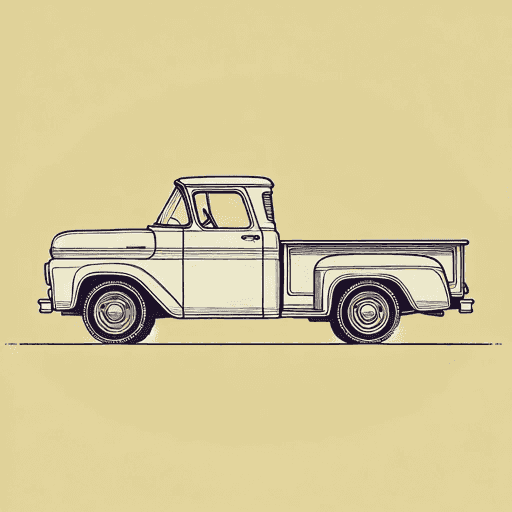
Trucks are a potent and evolving symbol in the novel, representing freedom, power, and the ultimate goal of self-creation. For Ingram, who begins his journey powerless and on foot, trucks are the primary instruments of agency in his world. Initially, they are terrifying forces on the “shaking monster road” (4), symbolizing a world of adult power that is dangerous and inaccessible. However, as his journey progresses, they transform from objects of fear into objects of desire, representing a tangible means of escape and control over his own destiny. Acquiring and mastering a truck becomes the physical manifestation of his quest for manhood and autonomy.
The symbol culminates in the broken-down yellow truck that Ingram finds at Pete’s gas station. This truck mirrors Ingram himself: neglected and broken, but ultimately salvageable. His decision to repair it marks a pivotal shift from being a passive victim of circumstance to an active creator of his own future. The act of working with his hands, informed by reading engine manuals, becomes a metaphor for self-repair. Bart’s observation that “you need less to take one apart than you need to fix one” (209) reflects Ingram’s own process of deconstructing his past to build a new identity. By the time he drives his own working truck away from Austin, he has repaired a machine with his own skill and diligence and remade himself into a capable, self-sufficient young man.
Hunger and Food
The motifs of hunger and food serve as a crucial barometer for Ingram’s physical, emotional, and moral condition throughout his journey. It is central to the theme of forming a moral compass in a lawless world, as Ingram’s relationship with food charts his progression from desperate survival to an understanding of community and care. At the start of the novel, his hunger is a primal force that drives him to steal a piece of meat from a man’s plate. This act places him in direct opposition to his father’s warning that “Stealing can get you kilt” (11), establishing his initial, amoral state where need overrides any ethical considerations. His existence is defined by a gnawing emptiness, both in his stomach and in his life.
Images of and references to food gain symbolic depth over the course of the novel, as they gradually become associated with human connection. The mountain offers Ingram stew along with his first piece of moral guidance. At Miss Maw’s, the overwhelming abundance of food and the communal act of sharing a meal cause him to weep, revealing the profound depth of his physical and emotional starvation. This experience introduces him to the concepts of generosity and family. The motif’s evolution culminates in his relationship with Kyle. Ingram, who once took food to survive, now finds ways to provide it, transforming from a receiver to a giver. By comforting Kyle with stories while they are hungry, he demonstrates that he has learned to provide both physical and emotional sustenance, marking his significant moral growth.

Unlock the meaning behind every key symbol & motif
See how recurring imagery, objects, and ideas shape the narrative.
- Explore how the author builds meaning through symbolism
- Understand what symbols & motifs represent in the text
- Connect recurring ideas to themes, characters, and events