Junie B. Jones and the Stupid Smelly Bus
34 pages • 1-hour read
Barbara ParkJunie B. Jones and the Stupid Smelly Bus
A modern alternative to SparkNotes and CliffsNotes, SuperSummary offers high-quality Study Guides with detailed chapter summaries and analysis of major themes, characters, and more.
Essay Topics
Some critics believe the Junie B. Jones book series is not appropriate for younger readers because she does not use proper grammar and often has emotional outbursts. Using textual evidence, in what way(s) do these criticisms make the book a great choice for readers near Junie B.’s age?
What messages does this book have for parents and caregivers of young children? What can they learn from Junie B.’s experiences with the adults in her life?
How many times does Junie B. use the word “squeeze” or some variation of it (i.e., “squeezy” or “squeezed,” etc.)? What are the different meanings she ascribes to this word? What theme does her multifunctional use of it emphasize?
Trace all references to Junie B.’s clothes throughout the text. What do her clothes and accessories represent about her emotions and how she wishes others would perceive her in each situation?
What are the different causes of Junie B.’s multiple outbursts, usually indicated by her use of all capital letters? What messages or themes do these causes highlight?
How do the illustrations by Denise Brunkus enrich the text? To what themes do they add, and how so? Cite specific examples from the text.
How would you characterize the adults in the book? What adjectives would you use to describe them, and why? What do they have in common? How do they differ?
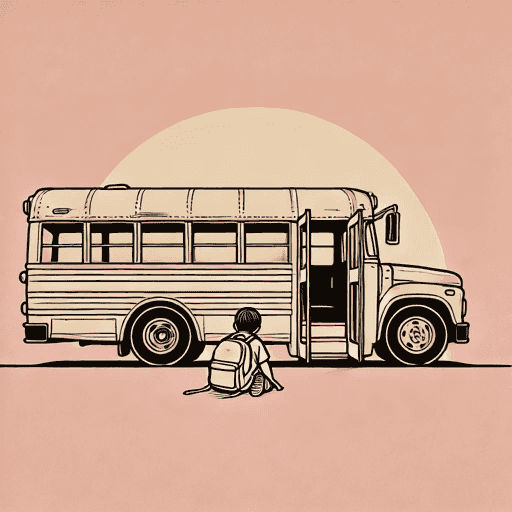
Consider the bus as a symbol. What does it represent, figuratively speaking? To what theme(s) does it point?
Junie B. Jones and the Stupid Smelly Bus is the first book in the Junie B. Jones series. What traits does Park establish in the first book that make Junie B. a unique and relatable character? How do these characteristics influence how she handles different challenges across the series’ books? Consider reading another book in the series to prompt your discussion.
What double standards about adults’ treatment of children, versus how adults treat other adults, do the text and Junie B.’s experiences highlight? Cite specific examples.

Unlock all 34 pages of this Study Guide
Get in-depth, chapter-by-chapter summaries and analysis from our literary experts.
- Grasp challenging concepts with clear, comprehensive explanations
- Revisit key plot points and ideas without rereading the book
- Share impressive insights in classes and book clubs