Mona's Eyes
54 pages • 1-hour read
Thomas Schlesser, Transl. Hildegarde SerleMona's Eyes
A modern alternative to SparkNotes and CliffsNotes, SuperSummary offers high-quality Study Guides with detailed chapter summaries and analysis of major themes, characters, and more.
Part 3-EpilogueChapter Summaries & Analyses
Content Warning: This section of the guide includes discussion of bullying, mental illness, death, and death by suicide.
Part 3: “Beaubourg”
Part 3, Chapter 35 Summary: “Wassily Kandinsky: Find the Spiritual in Each Thing”
At the end of the school year, Mona’s class presents their final projects. Then Mona says goodbye to Lili, who promises to host her and Jade in Italy after she moves.
Mona and Dadé continue their lessons at the Centre Georges-Pompidou, where they study a Wassily Kandinsky drawing. Dadé tells her about Kandinsky’s life and work, and they discuss notions of freedom and the soul.
Part 3, Chapter 36 Summary: “Marcel Duchamp: Stir Everything Up”
Mona accompanies Paul to the Évreux market, where he sells his cellular Bakelite phone prototypes. Paul is thrilled by the day’s success.
Mona and Dadé return to the museum to see a Marcel Duchamp work. They muse on the relationship between art and its viewers. Mona is fascinated by how Duchamp conjures the confusion “between art and life” (379).
Part 3, Chapter 37 Summary: “Kasimir Malevich: Make Yourself Autonomous”
Camille is tense when she and Mona return to Dr. Van Orst’s office. Mona plays a game with herself to mentally prepare for her test results: If she can make Camille laugh in the next few minutes, she hopes they’ll get good news.
Camille later informs Dadé that Mona’s tests were good and her eyes are healthy. Dadé marvels at Mona’s excellent vision. That Wednesday, he takes her to see Kasmir Malevich’s work. They discuss ideas of autonomy and control.
Part 3, Chapter 38 Summary: “Georgia O’Keeffe: The World Is One Flesh”
Over the summer break, Mona hangs out at the local rec center, where she occupies herself by keeping a journal. She starts writing about her adventures with Dadé and the lessons he’s taught her.
Then one Wednesday, Mona and Dadé study Georgia O’Keeffe’s art, remarking on her use of curved lines, inspiration from the American desert, and evocation of the female body.
Part 3, Chapter 39 Summary: “René Magritte: Listen to Your Subconscious”
Mona celebrates her birthday in August. Mona receives cookies, playing cards, earrings, and money. When approaching her last present, Mona is overcome by dread, “thinking of her grandmother’ (347). The dread dissipates when she discovers her parents have gotten her a dog, whom she names Cosmos.
On Wednesday, Mona introduces Cosmos to Dadé. Dadé is impressed by her mature relationship with the pet. Then they visit the museum and study a René Magritte painting, discussing notions of fantasy, imagination, and surrealism. Dadé reminds her to always pay attention to her subconscious.
Part 3, Chapter 40 Summary: “Constantin Brâncuși: Look Up”
Mona returns to the doctor’s office for another MRI. She focuses on Camille’s soothing voice as she enters the machine and clutches her pendant. During the test, the memories from hypnotherapy return. She hears Mamie’s voice and asks her grandmother when they’ll be reunited. Afterwards, the doctors remark on the vibrancy of Mona’s brain.
Back at the Pompidou, Mona and Dadé study Constantin Brâncuși’s Bird in Space. Dadé explains the sculpture’s history and they discuss the power of art to surprise the viewer by reimagining reality.
Part 3, Chapter 41 Summary: “Hannah Höch: Compose Your Being”
Mona continues journaling during her days at the rec center. One day, some kids tease Mona but she is immersed in her own memories. When she finally realizes how mean they’re being, she reacts with kindness.
On Wednesday, Dadé shows Mona Hannah Höch’s Mother. After studying the work, they discuss art’s power to extract profound human emotions.
Part 3, Chapter 42 Summary: “Frida Kahlo: What Doesn’t Kill You Makes You Stronger”
Paul goes away on a business venture. In his absence, Mona tends his store. Alone, she explores Mamie’s hidden belongings, including more photos and newspaper clippings featuring her grandmother. She tries to make sense of who Mamie was as a young woman. Then she encounters a piece which discusses euthanasia in association with Mamie.
During their next Pompidou trip, Dadé notices that Mona seems despondent and encourages her to share what’s on her mind; finally, she asks about anticipating death. Unsure what to say, Dadé shows her a Frida Kahlo painting. They discuss issues of depression and death by suicide. Dadé says what’s most important is the joy we might derive from our memories. While leaving the museum, both Dadé and Mona inadvertently clasp their pendants.
Part 3, Chapter 43 Summary: “Pablo Picasso: Everything Must Be Broken”
During Mona’s next hypnotherapy session with Dr. Van Orst, he tells her to remove her necklace. Without the pendant, Mona experiences a series of dark memories featuring her bouts of blindness. Afterwards, the doctor tells Camille to ensure that Mona doesn’t remove her necklace.
Next Wednesday, Dadé gives Mona a hat that once belonged to Mamie. Moved, Mona tears up. Dadé fears something is wrong with her eyes and hopes she’ll be able to appreciate their Pablo Picasso lesson. They study Aubade, discussing Cubism and Picasso’s ability to distort reality. Back at home afterwards, Mona tells Cosmos about the painting.
Part 3, Chapter 44 Summary: “Jackson Pollock: Go Into a Trance”
Mona feels sick in the days before school starts again. On the first day of sixth grade, she embarrasses herself when she dumps her pencil case.
Back at the Pompidou, Mona and Dadé study Jackson Pollock’s work and talk about Abstract Expressionism and notions of violence and rejection. Mona’s interaction with the work impresses and delights Dadé.
Part 3, Chapter 45 Summary: “Niki de Saint Phalle: The Future of Man Is Woman”
Paul tells the family he’s considering selling the shop given how well his inventions are selling. Mona is devastated. Meanwhile, she continues writing in her journal. One day, she details her experience in the last MRI, recalling Mamie telling her to always hold onto the light. She begins wondering how Mamie actually died.
Back at the museum. Mona and Dadé see Niki de Saint Phalle’s Firebird. Dadé tells Mona about Phalle’s life and they discuss gender politics. Mona remarks on her grandmother’s spirit. A moved Dadé agrees Mamie was a fighter, much like Phalle.
Part 3, Chapter 46 Summary: “Hans Hartung: Go Like Lightning”
Back at the doctor’s, Camille worries when Dr. Van Orst is late, as he is supposed to give them his report on Mona’s condition. She also frets over what he said about Mona’s pendant. When he finally hands her Mona’s report, Mona interrupts, saying she’d like to read it first and then convey the doctor’s assessment to Camille and Paul when she’s ready.
Mona and Dadé return to the museum, where Dadé agrees to show Mona Mamie’s favorite piece of art: A Hans Hartung painting. Mona finally tells Dadé what she remembers of her last conversation with Mamie. Afterwards, Dadé realizes he is close to discovering the unique quality of Mona’s linguistic patterns.
Part 3, Chapter 47 Summary: “Anna-Eva Bergman: Keep Starting From Scratch Again”
Mona struggles to adjust to sixth grade. Then one day, the class studies a Baudelaire poem and the teacher tasks Mona with reciting the last four lines. Mona is reluctant to participate and excuses herself to the principal’s office.
Back at the museum. Mona and Dadé study an Anna-Eva Bergman work, comparing it to Burne-Jones’s, Malevich’s, and Brâncuși’s work. Mona asserts that Bergman is stressing the importance of rebuilding from scratch. While she talks, Dadé realizes why Mona’s use of language is distinct: She never uses the negative.
Part 3, Chapter 48 Summary: “Jean-Michel Basquiat: Come Out of the Shadows”
Mona is doing her homework one day when Camille interrupts to discuss her grandmother’s death. She talked to Dadé and they decided it was time for Mona to know the truth. She begins by informing Mona she found her journal and read it. A furious Mona screams at her mother. Paul interrupts to assure Mona they’re not mad at her for visiting museums with Dadé; he also says she is so similar to Colette, who would be proud of her. Devastated by Camille’s betrayal, Mona closes herself in her room.
Mona and Dadé’s next museum trip feels different now that Mona’s parents know the truth. Nevertheless, Dadé continues her education, taking her to see a Jean-Michel Basquiat work. They discuss his life, work, and death. Dadé says Basquiat’s work is about emerging from the darkness.
Part 3, Chapter 49 Summary: “Louise Bourgeois: Know How to Say ‘No’”
A few days later, Mona opens her medical report and reads Dr. Van Orst’s conclusions from her hypnotherapy sessions. He asserts that Mona’s bouts of blindness are related to her childhood trauma: Losing her grandmother so suddenly and without explanation has deeply impacted her. When her necklace falls off, her connection to her grandmother is temporarily broken, which has resulted in temporary blindness. Reading the report, Mona realizes she is ready to hear the full truth.
Next Wednesday, Dadé decides to tell Mona what he’s noticed about her use of language. First, they see a Louise Bourgeois work and discuss how childhood experiences impact one’s adulthood.
Dadé tells Mona he’s noticed she doesn’t use negative constructions. While he likes her ability to let go of what is negative, he reminds her how important it is to be able to say “no.”
Part 3, Chapter 50 Summary: “Marina Abramović: Separation Is an Opportunity to Seize”
In class, Mona is tasked with choosing a word to focus on and discuss. She chooses “euthanasia,” and gives a presentation on it, discussing assisted suicide and the right to die.
Dadé realizes that he and Mona only have three more weeks to spend together before their museum sessions end. He decides it’s time to tell Mona more about her grandmother. Beforehand, he muses on the similarities between his granddaughter and late wife. At the museum, he shows her a Marina Abramović work, and they discuss notions of life and death, love and hatred, fear and joy. Dadé reminds Mona to always let art emotionally affect her.
Part 3, Chapter 51 Summary: “Christian Boltanski: Archive Yourself”
Paul informs Mona he is selling his shop and pursuing inventing full-time. A sad Mona asks if she and her parents can go through Mamie’s things beforehand. They hesitate to retain Mamie’s boxes until Mona suggests that Dadé take them instead.
On Wednesday, she tells her grandfather he should take Mamie’s belongings back to his place and use them to write a book about their relationship. A moved Dadé takes Mona to see Christian Boltanski’s The Impossible Life of C. B. They discuss the relevance of objects to a life and the idea of self-archiving.
Part 3, Chapter 52 Summary: “Pierre Soulages: Black Is a Color”
Mona and Camille return to the doctor’s office, where Dr. Van Orst explains his report. For years, Mona was shielded from the truth of her grandmother’s death by assisted suicide. Hiding the truth only intensified Mona’s trauma, loss, and confusion. Her subconscious tightly held onto her memories of her grandmother. Wearing the pendant has helped her hold onto her grandmother’s light. This is why removing it led to bouts of blindness.
Mona and Dadé return to the museum for a final session. They study a Pierre Soulages work, comparing it to other artists they’ve seen and discussing notions of darkness and light.
Epilogue Summary: “Go Towards What You Risk”
One day in November, Mona makes space in her room for Mamie’s boxes and papers. A call from Dadé interrupts her project. He wants to take her on a trip to Montagne Sainte-Victoire.
A few days later, they board the train and head to the mountain. On the way, Mona shows Dadé a deck of cards she made inspired by their museum visits: Each card depicts a piece of artwork and its lesson. Dadé meanwhile tells Mona about Mamie’s personal history and death. She lived a full and complicated life, but when she started to lose her memory and capacities for language, she wanted to end her life with dignity.
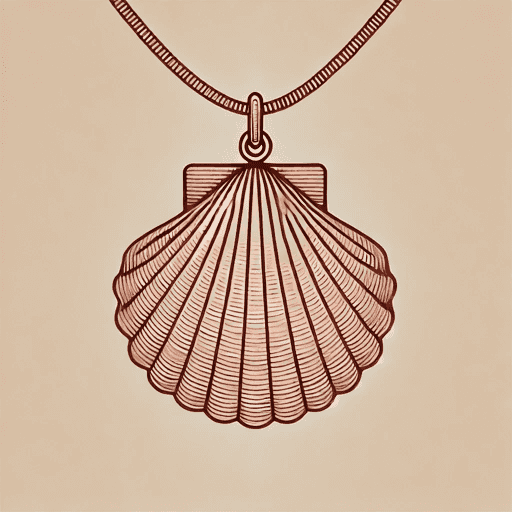
Mona and Dadé change their plans and get off the train at the beach where Dadé and Mamie got engaged and found the shells for their matching pendants. Mona removes her pendant, ready to let go, and loses her sight again. She senses Mamie’s presence; her grandmother urges her to return to the light. Mona’s eyes well up as she waits for her vision to return. Once the world resurfaces, she buries the pendant in the sand and twirls around the beach. She and Dadé study the scene and exclaim at the beauty of their surroundings.
Part 3-Epilogue Analysis
The final section of the novel leads Mona’s narrative through its climax, descending action, denouement, and resolution. In Part 3, Mona’s ophthalmological and psychological conditions move to the forefront of the narrative, challenging Mona to confront the potential of going blind and the traumatic experiences that may have jeopardized her eyesight. Mona becomes increasingly eager to make sense of who she is by addressing the details of her shadowy family history and how she might brave the future—whatever it may hold.
Mona’s continued museum visits with her grandfather reiterate the novel’s theme of Building Intergenerational Intimacy Through Teaching. As Mona learns more about her grandmother via her explorations of the shop basement and her hypnotherapy-inspired memories, her connection to her grandfather only grows. Mona has always felt connected to Dadé but she does not fully understand their innate bond. The more he teaches her about art and life, the more attached she becomes to him. The repeated scenes of her writing in her journal convey how her grandfather’s lessons in art history are offering her valuable insight into her familial and personal history. The way she approaches her new journaling pastime conveys the importance of their intergenerational relationship to her personal growth:
She wanted to begin by talking about the day she was living right then, but realized that, before describing the present, she’d need to go through, in her head, the weeks leading up to it, punctuated by her visits to the Louvre, Orsay, and Beaubourg with Henry. Would she ask her grandfather to help her if she had any doubts? She decided to find the answers herself, within her. (390)
Mona’s decision not to immediately consult her grandfather on her self-archival project conveys her desire to apply his lessons to her life of her own accord. She knows she can go to him should she “have any doubts” about what they’ve studied and what she’s learned under his tutelage, but prepares to catalog these lessons and experiences in her own words first, using her own internal compass as a guide. The intergenerational intimacy she has developed with Dadé has empowered her to navigate the world independently. Further, she is learning to rely on the past (and her studies of art history) as a map to her life in the present, and the challenges she might face in the future. Dadé has instilled in her the confidence to record her own experiences, infusing them with personal meaning as she goes about reflecting.
Mona’s lessons with Dadé and concurrent explorations in the shop basement also help her to make sense of her emerging memories. When she is visiting the museums with her grandfather, she is discovering the power of Art Education as Emotional Formation; she in turn learns that studying the past (and artistic renderings of it) offers essential insight into the universal human condition. Delving into her late grandmother’s belongings in Paul’s shop is Mona’s way of translating these lessons to her own life in a relevant way. The photos, envelopes, clippings, and figurines are mementos of her grandmother’s life but they are also reifications of the past in the present.
Mona is just as eager to retain and study Mamie’s belongings as she is to study the artworks at the museums. Indeed, as Dadé teaches her in Chapter 51, “What remains of a life [after death] is objects, lots of objects that have their own life, too. They are things, small things that sometimes no longer have a name” but which let the viewer “dream entire universes” (507). Mamie’s belongings are tangible objects which offer Mona a throughway into her grandmother’s otherwise irretrievable life. Like her pendant, the objects let Mona retain the intergenerational intimacy she previously had with her grandmother.
Mona’s pendant is the ultimate key to her mysterious ophthalmological condition, showing how maintaining a connection to one’s familial history is essential to understanding oneself in the present. While the pendant once represented Dadé and Mamie’s connection, after Mamie gave it to Mona, it became a powerful connection point between the child and her granddaughter: “[O]nce hanging around Mona’s [neck], all the radiant power of that prematurely departed grandmother became concentrated within it” (512). Mona’s experience of blindness is a metaphor for forgetting or erasing the past. Maintaining her intergenerational connections is vital to understanding herself and sustaining her mental health.
At the novel’s end, Navigating Self-Discovery Via Explorations of the Past reaches its culmination with the scene on the beach. In being able to fully access her memories of her grandmother and successfully wait out her bout of temporary blindness, Mona reveals both her new emotional maturity and her growing confidence in her own identity and abilities. Her willingness to remove the pendant symbolizes her resolved childhood trauma and the way she has assimilated the past into both her present and future.

Unlock all 54 pages of this Study Guide
Get in-depth, chapter-by-chapter summaries and analysis from our literary experts.
- Grasp challenging concepts with clear, comprehensive explanations
- Revisit key plot points and ideas without rereading the book
- Share impressive insights in classes and book clubs