Mona's Eyes
54 pages • 1-hour read
Thomas Schlesser, Transl. Hildegarde SerleMona's Eyes
A modern alternative to SparkNotes and CliffsNotes, SuperSummary offers high-quality Study Guides with detailed chapter summaries and analysis of major themes, characters, and more.
Symbols & Motifs
Content Warning: This section of the guide includes discussion of illness, death, and death by suicide.
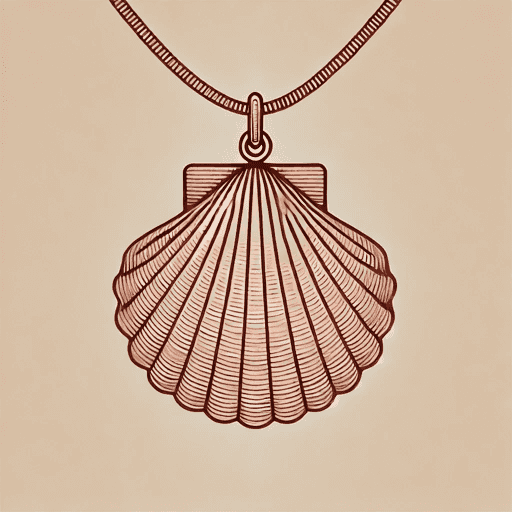
Pendant
Mona’s pendant is a symbol of Navigating Self-Discovery Via Explorations of the Past. Mona’s grandmother Colette (Mamie) gives Mona the pendant shortly before her death. It is a seashell hung on a piece of fishing line. Mona has worn it since she was three years old and lost her grandmother under mysterious circumstances. Dadé also wears the same pendant. He and Colette found the shells for the matching pendants on a beach the year they got engaged. They wore them throughout their marriage as a symbol of their indelible bond.
When Mona assumes ownership of the necklace, she garners a unique connection to her grandfather and assumes some of Mamie’s spirit. The pendant links Mona to her late grandmother, allowing her to hold onto her grandmother’s presence. When she removes the necklace, she experiences temporary bouts of blindness. This aspect of the narrative is a metaphor for the importance of retaining one’s connection to the past—be it personal, familial, national, or cultural.
When Mona inadvertently lets go of this history (i.e., by removing the necklace) she experiences a profound physiological loss (her eyesight), and thus struggles to navigate reality. At the same time, Mona must ultimately remove the necklace at the novel’s end to achieve a more balanced connection to her past. She is making peace with her grandmother’s passing and holding onto her memory while not becoming overly reliant on it.
Shop Basement
The basement in Paul’s vintage shop is a symbol of secrets and grief. When Mona spends afternoons at the shop, she starts exploring in the basement. She feels a mysterious draw to the space and soon discovers a treasure trove of boxes, mementos, papers, and envelopes there. She first excavates a lead figurine (which she later learns is one among many), and later finds photos and newspaper clippings of her grandmother. These objects are remnants of her grandmother’s life and offer Mona an attempt to reconnect with the woman she lost when she was three.
Mona doesn’t initially understand their significance, but her family stored these objects here after Mamie’s death by assisted suicide. Dadé no longer wanted his late wife’s belongings in his home because he didn’t want to think about her, for fear of focusing too much on his sorrows. The family resorts to years of secrecy in an attempt to protect Mona from the grief they are experiencing. Keeping these objects out of sight only compounds Mona’s grief. Once she insists her family go through the objects, she leads them toward healing. She compels her family to face the truth of what really happened and to make a way through their sorrow over losing Mamie.
Mona’s Journal
Mona’s journal is a symbol of personal growth and self-possession. When Dadé first starts taking Mona to the Paris museums each week, she does not expect to learn so much about herself. She thinks the new pastime is an excuse to spend time with her grandfather and avoid regular psychiatry appointments. Over the course of the year, however, Mona gradually learns more about herself, developing an emotional literacy that’s more keen than that of the adults around her.
When she begins journaling, she is claiming her experiences and her emotional lessons in her own words. She is recording her time with her grandfather and reflecting on all of the artistic lessons she’s learned. The journal is emblematic of Mona’s growth. She is gaining insight into her own interiority and journaling lets her process what she is learning. This is why Mona feels so betrayed when Camille discovers and reads her journal: She feels as if her mother has invaded her personal space and stolen access to her private thoughts. The journal is a first act of autonomy, which her mother oversteps.
Artworks
The artworks Mona visits and studies with her grandfather throughout the novel are a motif for Art Education as Emotional Formation. Each chapter features a different work of art and uses Dadé’s artistic knowledge as a gateway to describing and exploring the pieces’ significance on the page. Each piece of art teaches Mona something about life, human nature, and the human heart. Collectively, these artworks offer Mona a way to make sense of ineffable aspects of the human experience and her developing sense of self.
At the end of the novel, she makes a deck of playing cards which encapsulates this phenomenon, with each card featuring a different artwork and its associated lesson. The artworks also represent notions of mystery and beauty: When Dadé first decides to take Mona to the museums, his goal is to implant in her memory lovely images she can think of should she ever lose her sight. Schlesser’s detailed and lyric descriptions of the works enact their innate beauty for the reader too.

Unlock the meaning behind every key symbol & motif
See how recurring imagery, objects, and ideas shape the narrative.
- Explore how the author builds meaning through symbolism
- Understand what symbols & motifs represent in the text
- Connect recurring ideas to themes, characters, and events