Lotus
50 pages • 1-hour read
Jennifer HartmannLotus
A modern alternative to SparkNotes and CliffsNotes, SuperSummary offers high-quality Study Guides with detailed chapter summaries and analysis of major themes, characters, and more.
Themes
Content Warning: This section contains discussion of sexual violence, child abuse, child sexual abuse, graphic violence, sexual content, cursing, illness, and death.
The Impact of Trauma on Survivors and Their Loved Ones
Lotus deals extensively with trauma and its long-lasting effects. Several of the characters have traumatic experiences, such as Clem’s sexual abuse at Travis’s hands, Oliver’s kidnapping, and the loss, confusion, and devastation Oliver’s loved ones feel during his long captivity. Throughout the narrative, the novel explores the impact of trauma on survivors and their loved ones.
The loss of Oliver generates trauma for Oliver’s family and friends. The kidnapping caused Sydney deep pain, leading her to “build walls” and forgo relationships. Gabe, too, is affected by the experience. For years he hosted a July 4th party to honor Oliver and keep his memory alive, which speaks to how deeply he felt Oliver’s loss. When Oliver comes back, Sydney sees him and notes, “[Gabe] gazes up at me with the most haunting expression I’ve ever seen” (23). Sydney, too, uses “haunting” diction to describe how Oliver’s kidnapping negatively impacted her, suggesting that even though Oliver was still alive, both Sydney and Gabe were impacted by his absence and the mystery surrounding his disappearance.
At the same time, Oliver also experiences some problems when trying to reconnect with his loved ones, as they do not always understand how to be effective in their care and support of him. Gabe and Sydney often treat Oliver as helpless, with Gabe comparing Oliver to a “damn kid,” and Sydney openly worrying about “breaking” him. Oliver rejects the stereotype that a trauma survivor is especially fragile. He tells Sydney, “I’m not made of glass. You won’t break me” (397). His pursuit of Sydney showcases his strength and agency. He doesn’t want special treatment; he wants Gabe and Sydney to see him as an adult, not merely as someone who lived through a horrible experience.
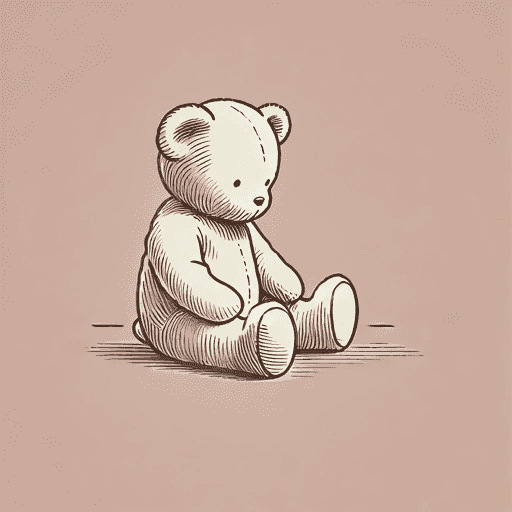
The story also explores long-lasting impacts in the form of triggers. Trauma survivors may experience something in the present that pushes them to their past, forcing them to relive painful memories. In the present, Oliver feels “overwhelmed” and initially unable to “function in a world so vast, so cluttered and loud” (48). Triggers also provide foreshadowing and red herrings. The teddy bear at the restaurant reminds Oliver of Sydney’s teddy bear, which links to Clem’s sexual abuse. Clem’s triggers—Gabe calling her “babygirl” and Sydney leaving Poppy alone with Oliver—provide further clues that something happened to her, foreshadowing the revelation that she was sexually abused by Travis as a young girl. The smell of Gabe’s gum triggers Sydney, leading her to falsely accuse Gabe of being the attacker in her home.
At the novel’s end, all of the main characters are rebuilding their lives and learning to heal from their traumatic experiences in a healthy way. Sydney and Oliver marry, while Clem seeks therapy and ends up healthier and happier than ever before. In this way, the novel suggests that while the effects of trauma can be serious and long-lasting, there is always hope for rebuilding one’s life and sense of self with the right support.
The Powerful and Elusive Meaning of Memories
The solution to the story’s intricate conflict resides in memories. To figure out what happened to Oliver and how Clem is involved, the characters regularly return to memories from July 2-4, 1998. As the memories provide the answers, they’re powerful—they explain the events and uncover the culprit. At the same time, the memories are elusive, as their meaning continually stumps the characters, which, in turn, pushes the characters to review them.
The teddy bear illustrates the fragmented force of the memories. In Chapter 7, the girl at the restaurant with the teddy bear causes Oliver to remember some dialogue from childhood: “I have a secret, but I’m scared to tell you.” “You can tell it to my teddy bear. She’s very good at keeping secrets.” (124). The exchange is absent of attribution, so Oliver doesn’t explicitly know who’s talking. In Chapter 21, Edgar’s photos cause Sydney to remember the exchange. She makes it clear that it was a conversation between her and Oliver, but she doesn’t know the secret Oliver referred to at the time. In Chapter 22, Oliver revisits the memory and tells the teddy bear, “He saw me. He saw me. He saw me” (451), yet the “he” remains a mystery. Through the “teddy bear,” Hartmann shows the arduous process of discovering the truth behind the memories. The teddy bear leads Oliver and Sydney close to the event, but the teddy bear doesn’t fully explain the event, which remains beyond their grasp until they gradually put together different clues.
To grasp the full truth of their memories, many variables come together. Lorna contributes the process by giving Edgar’s photos to Sydney. The photos make Sydney think of the teddy bear and lead Oliver to announce, “Something happened on this day” (430). To solve the “something,” the characters need another memory. In Chapter 27, Sydney returns to the photos again, and one picture reminds her of Clem complaining about not being on Sydney’s team. The memory links back to the memory of Oliver and the teddy bear. Now Sydney has the answer. In shock, she thinks, “Oh, fuck[….] It’s Tra—” (582-83).
The journey to realizing Clem’s abuse and discovering that Travis was her abuser reveals that memory isn’t under the domain of one individual. Memories arrive or reappear through other memories and chance. The theme portrays memories as a collaborative effort, while also examining how traumatic events can impact memories by sometimes making it difficult for survivors to recall all the details of what happened to them.
The Complexities of Sex and Intimacy
While Oliver and Sydney’s romance forms the emotional core of the book, it takes most of the narrative before they end up as an official couple. For much of the novel, both characters need to navigate their complicated feelings around the idea of a relationship with each other before they can come together. While Oliver loves Sydney and wants to be with her, he must first readjust to normal life after his long captivity. Meanwhile, Sydney must grapple with her reluctance to commit, as she fears emotional intimacy. Through their character arcs, the novel explores the complexities of sex and intimacy.
At the opening of the novel, Sydney is entirely against the idea of a monogamous relationship, preferring casual sex and dating. As she says, “I’ve bounced around from casual relationship to unemotional fling most of my life” (67), while later insisting, “I don’t do relationships” (106). Her insistence that she has an entirely “unemotional” attitude towards sex and dating alludes to the emotional “walls” she built after Oliver vanished, suggesting that she does not truly want a committed relationship with anyone but Oliver. Even when Oliver tries to be with her, Sydney is at first hesitant, fearing that she might only hurt him. Gradually, however, their growing intimacy, both emotional and sexual, inspires Sydney to change her mind. Her declaration, “I love you, Oliver Lynch” (496), signals the start of their official relationship, with Sydney deciding she is ready to be emotionally vulnerable with Oliver.
Oliver’s trajectory with sex and romance is different from Sydney’s, as unlike Sydney, he lacks romantic and sexual experience at the novel’s opening. Having been captive and isolated since childhood, Oliver at first struggles to navigate the norms of adult dating, feeling puzzled by dating apps like Tinder and wondering whether he wants to date casually the way Gabe does. Nevertheless, Oliver soon realizes that Sydney is the only woman he really wants, and he decides to take a chance on persuading her to give their relationship a try. Their relationship is something that gradually builds over time, as Sydney must work through her doubts and Oliver must learn how to express himself both emotionally and sexually.
Sydney and Oliver ultimately have a happily-ever-after ending. They end up married with a daughter together at the novel’s close, with the narrative emphasizing how passionate and loving their bond remains. While both characters have had to work through their feelings about sex and intimacy, they have now reached a place where they can be together in a happy, fulfilling union.

Unlock every key theme and why it matters
Get in-depth breakdowns of the book’s main ideas and how they connect and evolve.
- Explore how themes develop throughout the text
- Connect themes to characters, events, and symbols
- Support essays and discussions with thematic evidence