Lucky Broken Girl
Lucky Broken Girl
A modern alternative to SparkNotes and CliffsNotes, SuperSummary offers high-quality Study Guides with detailed chapter summaries and analysis of major themes, characters, and more. For select classroom titles, we also provide Teaching Guides with discussion and quiz questions to prompt student engagement.
Essay Questions
Use these essay questions as writing and critical thinking exercises for all levels of writers, and to build their literary analysis skills by requiring textual references throughout the essay.
Scaffolded/Short-Answer Essay Questions
Student Prompt: Write a short (1-3 paragraph) response using one of the below bulleted outlines. Cite details from the novel over the course of your response that serve as examples and support.
1. Lucky Broken Girl takes place from spring of 1966 to early summer of 1967.
- What are 3 important plot points (narrative events) that rely on the timing of the seasons, holidays, and school years? (topic sentence)
- Discuss these 3 events in Ruthie’s healing journey and the ways in which they are affected by seasonal events. Support your ideas with quotations and evidence from the novel.
- In your concluding sentence or sentences, describe how the linear plot structure (a plot that moves forward in time) of the novel impacts the reader.
2. The author, Ruth Behar, employs the use of chapter titles to introduce and emphasize events in Ruthie’s story.
- Which chapter title best serves to support the theme of Controlling and Overcoming Fear? (topic sentence)
- Discuss the events of that chapter briefly and offer at least 3 points of connection to the theme.
- In your concluding sentence or sentences, create an alternate name for this chapter and summarize how it too fits the theme.
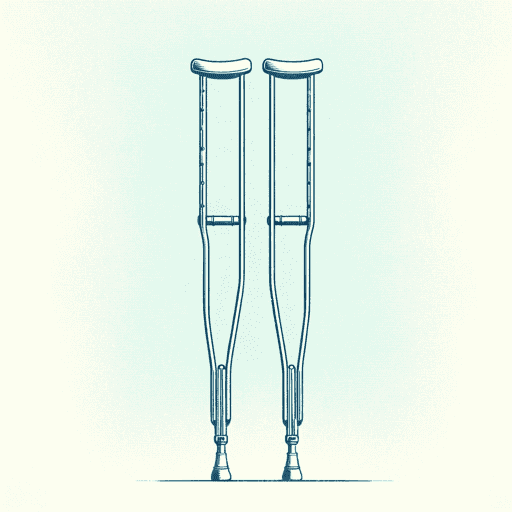
3. Chicho inspires Ruthie to learn to paint, Joy provides school lessons, and Amara convinces Ruthie she can walk on crutches.
- In addition to these 3 mentors, who are 3 additional characters who serve as mentors to Ruthie in her healing journey? (topic sentence)
- Discuss the ways these 3 additional characters teach or guide Ruthie and detail their instructive influence. Illustrate your points with details from the text.
- In your concluding sentence or sentences, summarize the ways in which Ruthie’s healing depends on her many mentors.
Full Essay Assignments
Student Prompt: Write a structured and well-developed essay. Include a thesis statement, at least 3 main points supported by text details, and a conclusion.
1. In what ways does the setting of Ruthie’s apartment building represent a sense of community and family unity? In what scenes is this apparent? Discuss 2 or 3 such scenes; what details can you find in the text to show an atmosphere of community? Connect your discussion points to the theme of Acceptance and Generosity.
2. Some stories have no clear antagonist, yet almost all stories contain clear conflict. Who or what is Ruthie’s biggest adversary in the story? How do Ruthie’s reactions to this adversarial force paint a clearer picture of her traits? What additional smaller conflicts in her journey toward recovery does Ruthie face, and how do these challenges help to characterize her?
3. Ruthie completes a character arc in reaction to both outside situations and new personal insights; her character “arcs” or develops in a way that shows she is “not the same Ruthie” as she was in the beginning of the story. How do her opinions and emotions grow as a result of the accident and her bedridden condition? How does her perspective change over time, resulting in this dynamic character arc?

Get in-depth, chapter-by-chapter summaries and analysis from our literary experts.
- Grasp challenging concepts with clear, comprehensive explanations
- Revisit key plot points and ideas without rereading the book
- Share impressive insights in classes and book clubs