Magnolia Wu Unfolds It All
46 pages • 1-hour read
Chanel MillerMagnolia Wu Unfolds It All
A modern alternative to SparkNotes and CliffsNotes, SuperSummary offers high-quality Study Guides with detailed chapter summaries and analysis of major themes, characters, and more.
Symbols & Motifs
The Lost Socks
Content Warning: This section of the guide includes discussion of child abuse and emotional abuse.
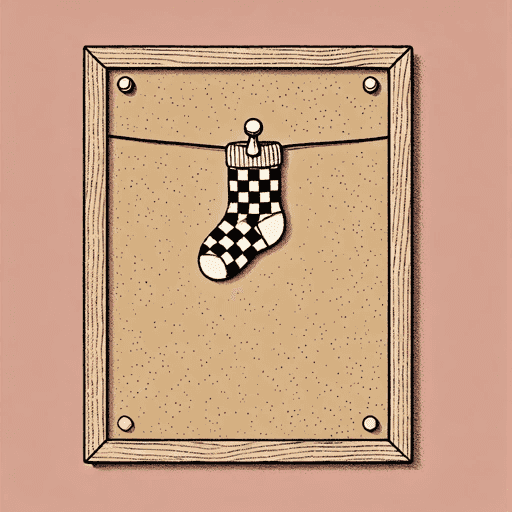
The singleton socks left behind at the laundromat act as a symbol of loneliness and disconnection from others. These socks have been separated from their mates, pinned to a board, “solo and abandoned” (3). Magnolia, who is lonely and isolated herself, feels bad for them and waits for their owners to come to claim them. Later in the story, as each sock is reunited with its mate, Magnolia forges connections with the people in her community. With each new connection, she learns lessons about life and the complexity of human beings, allowing her to feel less lonely and isolated.
The symbol of the socks links The Gift of Friendship to The Gift of a Wider Perspective by showing how becoming authentically connected to the people in her community helps Magnolia understand life in a more nuanced and empathetic way. Magnolia has an instinctive longing for connection—as shown by her yearning for a friend and her creation of the lost sock board in the first place. Until Iris comes into her life, she’s not able to turn her longing into action. Her connection with Iris gives her the confidence to get out into her neighborhood and reunite the socks with their owners. In the process, she develops both more friendships and more confidence, demonstrating the importance of friendship and community support in shoring up personal confidence.
New York City
The novel’s New York City setting symbolizes the gift of a wider perspective. This huge, diverse, and bustling city emphasizes the opportunities to learn and grow that people encounter when they are open to the world around them. When Magnolia spends most of her time in the laundromat, she is lonely and bored and often focuses on what her life is lacking. Iris inspires her to get out into the city, return the lost socks, and prove to Iris how great New York City is.
Magnolia’s adventures with Iris lead her to deepen her connections to her neighborhood: people who are old and young, rich and poor, and from a wide variety of backgrounds. She learns important lessons about life—about confidence, friendship, staying open to new experiences, people’s hidden talents and hidden sorrows, and human kindness. She learns to appreciate her parents and her own life in new ways.
TV Mashed Potatoes
In Chapter 6, Jessica tells Magnolia and Iris that the delicious-looking “ice cream” they see her eating in her mother’s television commercials is not actually ice cream—it’s mashed potatoes dyed to look like ice cream because real ice cream melts under the hot lights used in filming. Magnolia is appalled and surprised. She realizes that appearances can be misleading. The mashed potatoes symbolize a larger lesson for Magnolia: just like the mashed potatoes, people are often different than they seem on the surface. Magnolia’s parents are not just the hard-working, no-nonsense people she sees every day. Her father is also the very kind man who eased Aspen’s fears, an expert with plants who once supervised a vast flower plantation. Her mother was once a mischievous child who grew into a young woman who loved Shirley Temples. The symbol of the mashed potatoes underscores the gift of a wider perspective, providing a concrete example of the importance of looking beyond first impressions or assumptions to accurately understand the world.
Flamingoes
The symbol of the flamingoes, introduced in Chapter 5, emphasizes the importance of Developing Confidence and Finding One’s Voice. When Magnolia and Iris reunite Aspen with his flamingo sock, Aspen leads them to a bookstore and gets them to read a passage about flamingoes. The passage notes that flamingoes do not start life pink—they are gray when they are born, and they gradually acquire their pink color by eating brine shrimp. Aspen explains that this fact about flamingoes inspires him. His father is verbally abusive toward him, but he can choose whether to absorb his father’s mean ideas and let them change how he feels about himself, or he can choose to “stay gray” like a flamingo that rejects brine shrimp (86). To Aspen, flamingoes represent having control over how others’ words and actions shape his perceptions of himself. Because of Aspen’s symbolic use of flamingoes, Magnolia thinks of them later in the story, in Chapter 7, when Iris seems defeated by the racist graffiti left on the gym’s exterior. She decides that, like Aspen, she and Iris can refuse to absorb cruel and inaccurate ideas about themselves, just like a flamingo refusing brine shrimp.

Unlock the meaning behind every key symbol & motif
See how recurring imagery, objects, and ideas shape the narrative.
- Explore how the author builds meaning through symbolism
- Understand what symbols & motifs represent in the text
- Connect recurring ideas to themes, characters, and events