Mate
50 pages • 1-hour read
Ali HazelwoodMate
A modern alternative to SparkNotes and CliffsNotes, SuperSummary offers high-quality Study Guides with detailed chapter summaries and analysis of major themes, characters, and more.
Symbols & Motifs
Content Warning: This section of the guide includes discussion of sexual content.
Mates
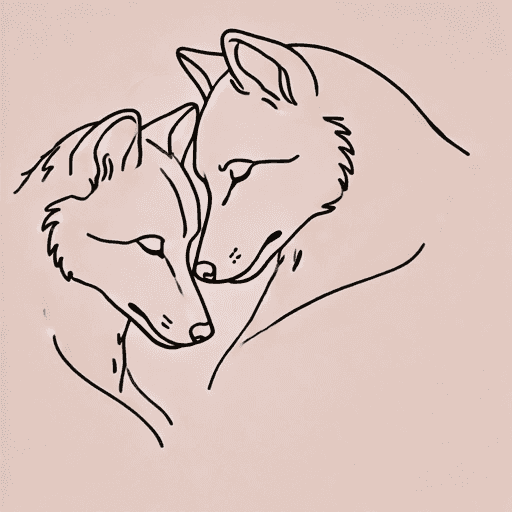
Mates, or fated sexual partners, are symbols that contribute to the theme of Consent and Agency in Romantic Relationships in the fantastical world of Mate: “For a Were, finding a mate triggers a chain of physiological changes,” and the experience is equivalent “to falling in love at first sight” (22). When Weres find their mates, they are immediately bonded with them. They feel both intensely drawn to them, in a physical and chemical way, and responsible for their care, safety, and comfort.
This is true for Serena and Koen Alexander. When Koen discovers that Serena is his mate, he cannot be apart from her. He is immediately deeply involved in her care, but he also feels powerless to resist his attraction to her. The intensity of the mates’ connection fosters a complex relational exchange. For Serena and Koen, this means developing careful forms of communication, developing the novel’s exploration of consent and agency in romantic relationships. They relate via scent, touch, and conversation, even before they become sexually intimate. Their initial “mated” attraction to each other spurs their abiding loyalty and love for one another over time.
Celibacy Covenant
The Northwest pack’s celibacy covenant is a symbol of social pressures and societal expectations. According to the covenant, the Alpha of the pack is not allowed to engage in intimate relationships of any kind, platonic, sexual, or romantic. The covenant is in effect to ensure the Alpha’s loyalty to the pack. Because “Alphas are people. And people make mistakes,” the pack has “systems of checks and balances” (177). The covenant is designed to maintain order and stability for the collective; at the same time, it risks disadvantaging the Alpha in question, establishing that, in the Northwest pack, the collective is prioritized over the individual.
Serena and Koen rebel against the covenant to honor their love for one another, developing the theme of Romance as Rebellion. With Layla’s blessing, they spend Serena’s Heat engaged in passionate sexual intimacy. Doing so is a direct violation of the celibacy covenant—and thus, their society’s expectations of them. The majority of the other characters believe that Serena is a threat to Koen and the pack’s stability. They fear that because she is a hybrid and Koen’s mate, she will steal Koen away from them and threaten their future. They also believe that Koen will abandon his duties, history, and loyalties to gratify his sexual urges. What they do not expect is that Serena and Koen will spend the Heat together and sacrifice their relationship thereafter. Serena and Koen rebel against sociocultural prescriptions of who they are and should be—Serena the hybrid temptress and Koen the heartless and domineering pack leader—proving themselves to be loving, sacrificial, and wise.
Heat (Estrus)
Serena’s Heat is a motif that explores the theme of romance as rebellion. Serena is shocked and furious when she discovers she is entering this state of heightened sexual desire and activity, also known as Estrus. She is thankful that she is not dying but resents her physiological condition because she has no control over it. She feels the same about love and romance: She does not want to fall for Koen because she does not want to be at the mercy of her untamed emotions. However, once she gives in to the Heat (and her love for Koen), she frees herself.
She and Koen spend four heated days having sex in the cabin when she is in Estrus; this passionate period allows Serena to rebel against others’ expectations of her, against her past, and even against her own logical thinking. She is prioritizing her body’s desires and embracing her true “animal” nature. Doing so leads to a more liberated sense of self.
Cabin
Koen’s cabin in the woods is a symbol of home and belonging. The moment Serena enters the space, she feels happy, relieved, and comforted. The cabin has a “log exterior and tall windows. It’s pretty. Rustic” (113). Nestled into the idyllic Pacific Northwest woods, Koen’s home is saturated with his scent and filled with his belongings. Although the space is simple and unadorned—Koen is “clearly not much for knick-knacks and ornaments” (114)—Serena falls in love with the cabin at first sight. The space is an extension of Koen, and Serena has felt comfortable and safe in his presence since they first met. She feels the same way in his home. Being here offers Serena a “home base” she has never had in her life. She derives a sense of acceptance and belonging from the setting, which fosters her otherwise unpredictable self-discovery journey.

Unlock the meaning behind every key symbol & motif
See how recurring imagery, objects, and ideas shape the narrative.
- Explore how the author builds meaning through symbolism
- Understand what symbols & motifs represent in the text
- Connect recurring ideas to themes, characters, and events