Moccasin Trail
54 pages • 1-hour read
Eloise McgrawMoccasin Trail
A modern alternative to SparkNotes and CliffsNotes, SuperSummary offers high-quality Study Guides with detailed chapter summaries and analysis of major themes, characters, and more.
Book Club Questions
Content Warning: This section of the guide contains discussion questions that refer to themes in the novel, including racism, illness and death, animal cruelty, and physical abuse.
General Impressions
Gather initial thoughts and broad opinions about the book.
1. Moccasin Trail was named a Newbery Honor Book in 1952. How do you think the novel holds up for modern readers? Do its themes of identity, family, and prejudice feel timeless, or are there aspects that feel dated?
2. The author, Eloise Jarvis McGraw, received two other Newbery Honors for her novels The Golden Goblet (1961) and The Moorchild (1996). If you’ve read her other works, how does Moccasin Trail compare in style and themes? If this was your first book by her, are you interested in exploring more of her writing?
3. How effectively does the novel portray Jim’s internal conflict between two worlds? Did you find his journey to reconcile his Crow upbringing with his white heritage to be a compelling and believable character arc?
Personal Reflection and Connection
Encourage readers to connect the book’s themes and characters with their personal experiences.
1. The Keath siblings redefine family not through shared memories but through shared survival and obligation. Have you ever experienced a situation where responsibility or shared hardship shaped your sense of family or loyalty?
2. Jim often feels like an outsider, seen as an “Injun” by the settlers and as a white man by his Crow family. Have you ever felt caught between two different cultures or groups? What aspects of Jim’s struggle to find a place to belong resonated with you?
3. The novel presents two different kinds of intelligence: Jonnie’s practical knowledge of farming and Jim’s deep understanding of wilderness survival. Have you ever learned a skill outside of formal education that proved valuable in an unexpected way? How does that experience shape how you think about knowledge and expertise today?
4. Sally shows deep hostility toward Jim throughout much of the journey. Have you ever struggled to trust someone because of past hurt or misunderstanding? What helped resolve, or prolong, those feelings?
5. Jim’s connection to the wilderness is profound, while the settlers view the land as something to be conquered and tamed. Did this contrast make you reflect on your own relationship with nature or the environment? In what ways?
6. Tom Rivers represents a way of life that is gradually disappearing. Have you ever witnessed traditions, skills, or lifestyles fading as society changes? What emotions or reflections did that experience bring up for you?
Societal and Cultural Context
Examine the book’s relevance to societal issues, historical events, or cultural themes.
1. How does the novel engage with the 19th-century ideology of Manifest Destiny, which framed westward expansion as a moral and divine imperative to “civilize” the continent? Does the story seem to critique this idea, support it, or suggest something more complicated?
2. The story is set during a major historical turning point, with the fur trade collapsing and the Oregon Trail bringing thousands of settlers west. How does this context deepen the meaning of Jim’s personal crisis of identity?
3. Considering the novel was written in 1952, how did you respond to its depiction of Indigenous peoples and their culture? Did its portrayal of the Crow people feel respectful, or did it seem to rely on stereotypes common at the time?
Literary Analysis
Dive into the book’s structure, characters, themes, and symbolism.
1. What is the significance of the grizzly scars that mark Jim’s face and body? How does their meaning evolve for other characters, particularly Jonnie, as the story progresses?
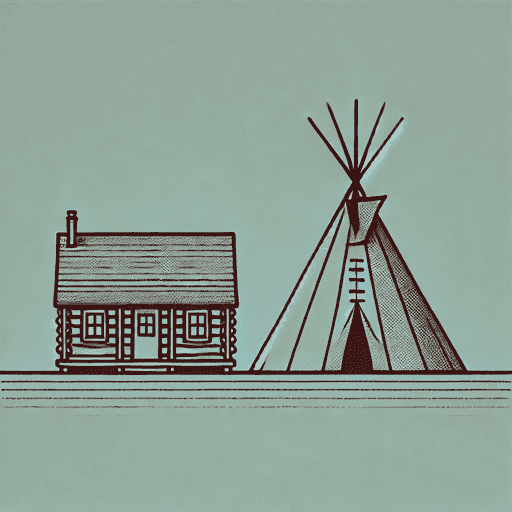
2. The cabin and the tepee serve as powerful symbols of two different ways of life. In what ways do these structures represent the central conflict between so-called civilized and wild identities that Jim struggles with?
3. What specific moments best highlight the contrast between Jonnie’s settler mindset and Jim’s mountain-man perspective? How does the development of their relationship shape the narrative?
4. How does the recurring motif of names, such as Talks Alone, “Injun Jim,” and James Keath, reflect Jim’s shifting sense of self and the way his identity is defined by others?
5. The discovery that Jim’s powerful “medicine song” is the 23rd Psalm is a crucial turning point. How does this revelation resolve reshape the novel’s exploration of Jim’s cultural identity?
6. What effect did the close third-person perspective, which allows access to Jim’s inner thoughts, have on your reading experience and your understanding of his sense of alienation?
Creative Engagement
Encourage imaginative and creative connections to the book.
1. What personal items would you include in a “medicine bundle” that represent your own history, values, and sources of strength?
2. Your task is to design a new cover for a modern edition of Moccasin Trail. What central image or symbol from the book would you choose to feature, and what feeling would you aim to create with your design?
3. Create a short journal entry from the perspective of either Jonnie or Sally immediately following their tense reunion with Jim at The Dalles. What might be their private fears and hopes about this stranger who is also their brother?

Unlock all 54 pages of this Study Guide
Get in-depth, chapter-by-chapter summaries and analysis from our literary experts.
- Grasp challenging concepts with clear, comprehensive explanations
- Revisit key plot points and ideas without rereading the book
- Share impressive insights in classes and book clubs