Moccasin Trail
54 pages • 1-hour read
Eloise McgrawMoccasin Trail
A modern alternative to SparkNotes and CliffsNotes, SuperSummary offers high-quality Study Guides with detailed chapter summaries and analysis of major themes, characters, and more.
Essay Topics
Analyze how the historical collapse of the beaver fur trade functions as a major force behind Jim’s identity crisis and shapes the novel’s central conflicts.
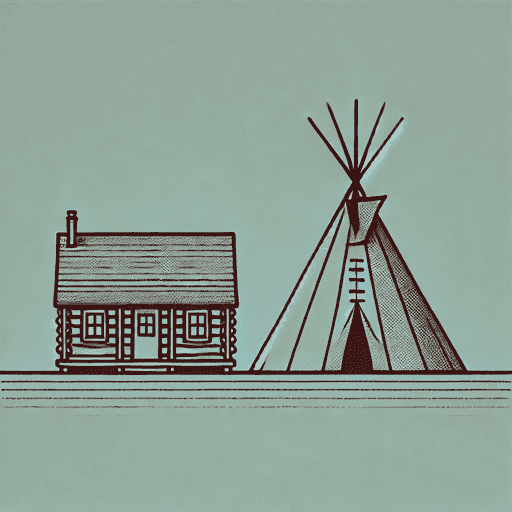
How do the tepee and cabin function as spaces that influence character behavior and relationships, revealing the family’s ideological divisions?
How does the narrative’s close third-person perspective on Jim shape the reader’s understanding of Jonnie and Sally’s suspicions?
In Moccasin Trail, Tom Rivers and Joe Meek represent two possible futures for the obsolete mountain man. Analyze how these two characters function as foils, presenting Jim with competing models of adaptation and influencing his decisions about where he belongs.
By resolving Jim’s conflict with the revelation that his “medicine song” is the 23rd Psalm, how does the novel present the relationship between Jim’s Indigenous upbringing and his white Christian heritage? What interpretation of cultural identity does the ending suggest?
Explore the novel’s depiction of competence through the motif of “bourgeway versus mountain man ways.” How does the narrative contrast settler practices with Indigenous and frontier survival skills, and what argument does this make about the requirements for survival and settlement in the American West?
Trace Sally Keath’s character arc from an antagonistic force of settler prejudice to a figure of acceptance. How does her final gesture of placing Jim’s coup feather with their father’s military medal symbolize reconciliation between different cultural identities within the family?
How does the novel portray the natural landscape of the Oregon Territory, and how does this portrayal evolve alongside Jim’s developing understanding of identity and belonging?
Analyze the significance of Jim’s grizzly scars in contrast to Jim’s braids and coup feather. How does the permanence of the scars compared with the removable nature of the braids and feather contribute to the novel’s exploration of identity shaped by both experience and personal choice?
The perilous journeys through the Columbia Gorge are presented in parallel narratives. How does this structural choice juxtapose two different modes of survival and knowledge, and what does this comparison suggest about the novel’s understanding of courage and community?

Unlock all 54 pages of this Study Guide
Get in-depth, chapter-by-chapter summaries and analysis from our literary experts.
- Grasp challenging concepts with clear, comprehensive explanations
- Revisit key plot points and ideas without rereading the book
- Share impressive insights in classes and book clubs