My Cousin Rachel
My Cousin Rachel
A modern alternative to SparkNotes and CliffsNotes, SuperSummary offers high-quality Study Guides with detailed chapter summaries and analysis of major themes, characters, and more.
Summaries & Analyses
Quizzes
NEWReading Tools
Games
Summary and Study Guide
Overview
Published in 1951, My Cousin Rachel is a Gothic psychological novel by British author Daphne du Maurier, who is best known for her novel Rebecca (1938). The story takes place on an isolated Cornish country estate, a setting that du Maurier frequently used. The narrator, a naïve young man named Philip Ashley, gradually becomes convinced that his beloved guardian, Ambrose, may have been murdered in Italy by the mysterious Rachel, the woman he spontaneously married. When Rachel travels to Cornwall, Philip’s plans for revenge are complicated by his growing obsession with her. The novel explores Emotion as a Catalyst for Misjudgment, The Strain of Inheriting a Family Legacy, and Female Autonomy as a Source of Male Anxiety.
My Cousin Rachel was an immediate bestseller upon its release and has been adapted for the screen several times, most notably in a 1952 film starring Richard Burton and Olivia de Havilland and a 2017 version with Sam Claflin and Rachel Weisz. The novel reflects du Maurier’s signature style, shifting traditional Gothic horror from external threats to internal psychological conflict driven by an unreliable narrator. It is also deeply rooted in the social context of postwar Britain, a period marked by a conservative return to traditional domesticity.
This guide refers to the 2017 Sourcebooks Landmark edition.
Content Warning: The source text and this guide feature depictions of illness, death, mental illness, pregnancy loss, and physical abuse.
Plot Summary
The narrator, a 25-year-old Philip Ashley, reflects on the past year from his family estate in Cornwall. He recalls an incident from his childhood, when his cousin and guardian, Ambrose, showed him the hanged body of a local murderer as a lesson on the consequences of passion. Now, Philip contemplates his strong physical resemblance to Ambrose, which he believes to have been his undoing, and he poses the ambiguous question of whether his cousin Rachel was “innocent or guilty” (8).
The narrative winds back to the previous autumn. Philip, orphaned as a child, had been raised by Ambrose, a bachelor who distrusted women and maintained an isolated, all-male household. At this earlier point in the narrative, Ambrose is ordered by doctors to winter abroad for his rheumatism, so he departs for Italy. After sending several cheerful letters about his travels, Ambrose writes from Florence that he has met a distant relative, the widowed Contessa Rachel Sangalletti. His affection for her grows, and he helps with her financial affairs. Philip discusses this development with his godfather, Nick Kendall, as well as with Louise (Nick’s daughter and Philip’s childhood friend). One day, a letter arrives announcing that Ambrose and Rachel have been married. Philip, who has just turned 23, is consumed by selfish misery and jealousy.
Philip struggles to hide his feelings from his neighbors. Nick suggests that Philip may need to find his own home if the couple decides to have children, and this possibility deeply wounds Philip. He is relieved when Ambrose writes that he and Rachel will remain in Italy for the summer to resolve her complicated finances. Over the winter, however, the tone of Ambrose’s letters changes. He complains of intense headaches, oppressive weather, and a strange loneliness, and he refers to Rachel formally as his wife rather than calling her by name. After a long silence, a distressed, incoherent letter arrives, in which Ambrose makes paranoid claims about Rachel watching him constantly. Ambrose also distrusts his doctors, one of whom was recommended by a man named Rainaldi. Nick fears Ambrose may have a brain tumor like his father once did. As Philip prepares to leave for Italy, a final, desperate note arrives in which Ambrose calls Rachel his “torment” and accuses her of having “done for [him] at last” (35).
Philip travels to Florence and visits the Villa Sangalletti. A servant named Giuseppe informs him that Ambrose died three weeks earlier and that Rachel left immediately after the funeral. Giuseppe gives Philip a tour of the empty villa, recounting Ambrose’s illness. As Philip leaves, Giuseppe’s wife gives him Ambrose’s old hat, the only possession left behind. Philip then meets with Signor Rainaldi, Rachel’s cold and guarded advisor. Rainaldi presents a death certificate; he claims that a brain tumor caused Ambrose to experience delusions and paranoia, at which point Ambrose turned against his wife. Philip rejects this explanation, and as he stands by the Arno river, he vows to make Rachel suffer for what he believes she did to Ambrose.
Philip returns home in September to find that the news of Ambrose’s death and his own inheritance has preceded him. As the new master of Ambrose’s estate, he feels a sense of pride and ownership. Nick reads him Ambrose’s will, which leaves everything to Philip but places him under Nick’s guardianship until his 25th birthday.
A week later, Nick receives a letter from Rachel, who has arrived in Plymouth to bring all of Ambrose’s belongings to Philip. Planning to confront her, Philip invites her to the estate. The household prepares for the arrival of the disinherited widow; the servants are not used to a female presence in the house. On the day she is to arrive, Philip deliberately stays out late, but when he returns, he finds that she has already retired to her room in exhaustion.
After dinner, Philip is invited to her boudoir, and his first meeting with Rachel shatters his expectations. She is small, quiet, and dressed in mourning. Her initial reaction is shock at his resemblance to Ambrose. She is gentle and disarming, sharing fond memories that reveal an intimate knowledge of Philip’s life. The planned confrontation is adjourned as Philip finds himself charmed.
That evening, he tells Rachel about his trip to Florence and his suspicions. In turn, Rachel tells her side of the story, describing Ambrose’s love as obsessive and claiming that his personality was drastically changed by his illness; she explains that Ambrose became suspicious about money and about her friendship with Rainaldi. Moved by her story, Philip persuades her to stay on at the estate.
Throughout the autumn, Philip’s infatuation with Rachel deepens, and as she charms the tenants and county society, Philip grows increasingly possessive of her. While they sort Ambrose’s belongings, a fragment of an unsent letter from Ambrose falls from a book, mentioning Rachel’s “disease” of extravagance. Philip burns it before she can see it. After he makes a thoughtless remark about her finances, he arranges for Nick to set up a generous allowance for her from the estate. Rachel is initially furious at the perceived charity, but she later apologizes and accepts.
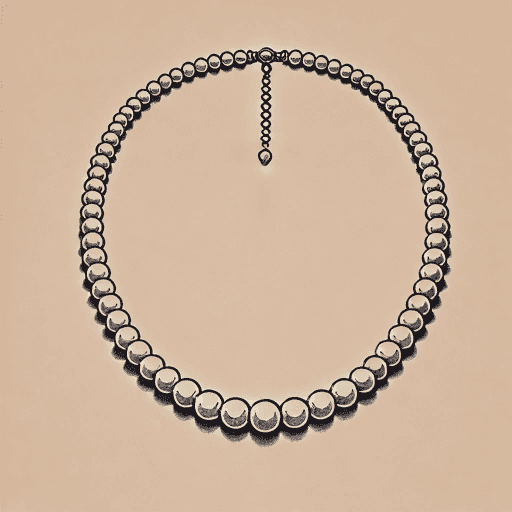
For Christmas, Philip gives Rachel the Ashley pearl collar, a valuable family heirloom worn by brides. At Christmas, Nick confronts Philip, revealing that Rachel has heavily overdrawn her account and that he has heard rumors from Italy of her past extravagances. Because the pearls are part of the estate trust, Nick demands their return. Rachel overhears the conversation and gives the collar back, leaving Philip devastated.
In the spring, a lodge-keeper gives Philip a full, unsent letter from Ambrose; the missive had been found in the lining of a coat. The letter describes Rachel’s miscarriage, along with Ambrose’s suspicions about her relationship with Rainaldi and his fear that Rachel and Rainaldi were poisoning him. The letter also mentions an unsigned will that he drafted. Philip buries the letter, then persuades Rachel to show him the will, which would have given her a life interest in the estate. On the eve of his 25th birthday, Philip has his godfather witness a legal deed that he secretly had drawn up in order to transfer his entire estate to Rachel. At midnight, he brings her the deed and all the family jewels. He asks her to marry him, and in the passion of the moment, he believes that she accepts. They make love.
The next morning, Philip is blissful, but Rachel is cool and distant. She goes to Pelyn to have Nick explain the deed. That night, a drunken Philip publicly toasts Rachel as his future wife. Horrified, she dismisses his announcement as “school-boy folly.” Later, she furiously denies any promise of marriage, and he realizes that she interpreted the passionate events of the previous night as a transaction of gratitude. In a fit of rage, he briefly puts his hands on her throat. The next day, Rachel invites Mary Pascoe to the house as a companion, claiming to feel threatened by Philip. Heartbroken, Philip collapses with a violent fever that Rachel identifies as meningitis. She nurses him for over five weeks, claiming to save his life with her herbal remedies.
As Philip recovers in May, he slowly realizes that his belief that they were married was no more than a delusion. Rachel is kind but speaks of returning to Florence. The foreman of the workers warns Philip that the temporary bridge over the newly excavated sunken garden is unsafe. Philip then discovers that Rachel has been secretly meeting Rainaldi at a local inn. After a bitter confrontation, Philip experiences a relapse. Now convinced that Rachel is poisoning him, he searches her room and finds an envelope of poisonous laburnum seeds.
The next Sunday, Philip is filled with a “terrible compassion.” After church, Rachel prepares her usual tisana, telling Philip that she has made his brew with “double strength.” He refuses to drink it, and she pours it out the window. She then goes for a walk alone toward the unsafe bridge. Thrown into doubt after finding an innocuous letter from Rainaldi and learning that Rachel has returned the family jewels to the bank, Philip tells Louise to ring the estate’s alarm bell. He runs to the garden and finds the bridge broken. Rachel is at the bottom of the deep pit, mortally injured. As she dies in his arms, she looks at him but calls him “Ambrose.” The novel closes as it began, with Philip forever haunted by his doubt and by the unanswered question of Rachel’s guilt or innocence.

Get in-depth, chapter-by-chapter summaries and analysis from our literary experts.
- Grasp challenging concepts with clear, comprehensive explanations
- Revisit key plot points and ideas without rereading the book
- Share impressive insights in classes and book clubs